Intermediate
How to Actually Avoid Blunders in Chess
Coach's take: Changes how you review your own games, not just this one - strong stuff.
Chess
The check-before-you-move habit.
Coach's take: Changes how you review your own games, not just this one - strong stuff.
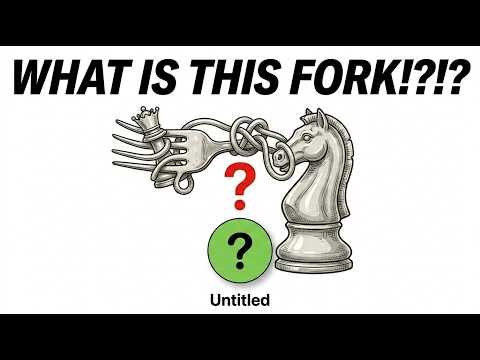
Coach's take: Clean, memorable framework backed by real examples at every level — teach this to anyone who blunders.
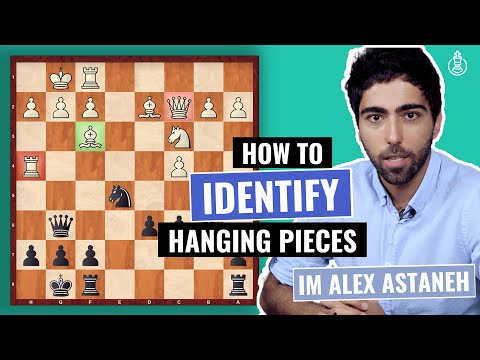
Coach's take: Catches a nuance most beginner content misses, and grounds it in a real top-level game.

Coach's take: One of the better ones in this batch -- clear rule, real examples, immediately usable.
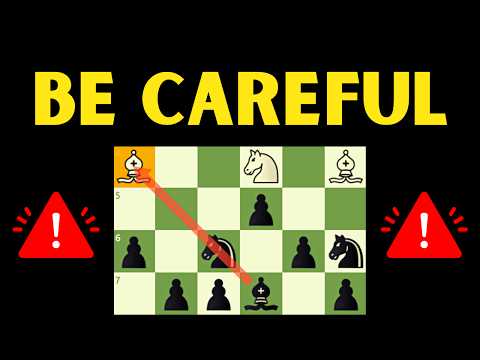
Coach's take: Builds from trivial to genuinely tricky - the puzzle about picking rook over bishop while ignoring a mating net is a great lesson on its own.

Coach's take: About as good as beginner tactics teaching gets — concrete, correct, and it builds.
![How To Avoid Blunders In Chess [Anti-Blunder Checklist]](https://i.ytimg.com/vi/f5_f27Hg_II/hqdefault.jpg)
Coach's take: Clear, memorable rule with a real example - the kind of thing you can actually use next game.

Coach's take: Three habits worth stealing - the landing-square rule alone will save you pieces.

Coach's take: The unprotected-vs-hanging distinction alone is worth the watch — most beginner resources skip it.
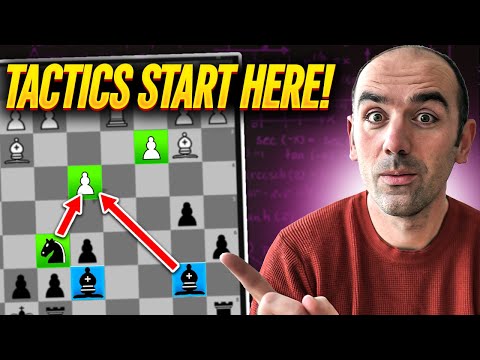
Coach's take: One of the strongest here -- a real method, not just examples.

Coach's take: Clear, well-paced teaching from a titled player -- does what it says.

Coach's take: The CCTO framework alone is worth the watch - simple and it actually works.

Coach's take: Honest, concrete, and testable — shows exactly how skipping the check cost real games.

Coach's take: Turns a real blunder into a one-line habit you can start using in your very next game.

Coach's take: Sharp, concrete, and teaches something most blunder-advice misses.

Coach's take: Covers both the obvious threats and the sneaky discovered-attack case most similar videos skip.

Coach's take: Teaches real vocabulary - semi-loose pieces, removing the defender - worth it.

Coach's take: Practical and repeatable, if a little basic -- good habit-building, not a deep dive.

Coach's take: Real puzzles, real calculation, gets genuinely useful once it moves past the warm-ups.

Coach's take: A little course plug up front, then genuinely sharp analysis of a real blunder.

Coach's take: Good exercises and a real concept, but it keeps pausing to advertise the presenter's own course.

Coach's take: Correct and concrete, but could be half the length and twice as clear.
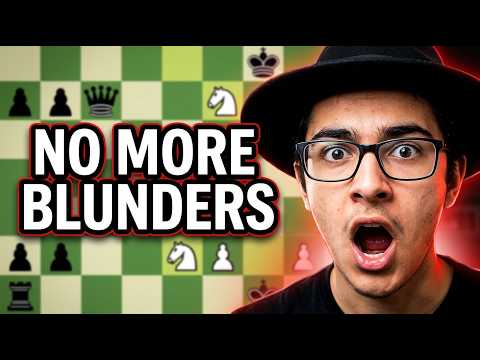
Coach's take: Good checklist and a catchy mnemonic, but the 'equal count means you're safe' rule is oversimplified and can mislead.
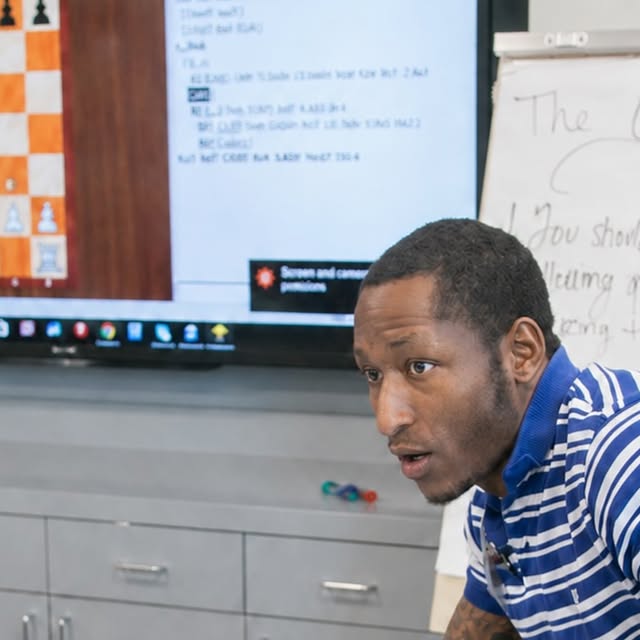
Coach's take: Good technique named, can't verify the delivery without a transcript.

Coach's take: Fun, clear, and the queen-safety puzzle is worth your time - part of the video is about tournament etiquette rather than the pattern itself.

Coach's take: Correct and tidy, but a bit paint-by-numbers - useful refresher, not a deep lesson.

Coach's take: True and worth hearing, but it's mindset advice more than a method.