
Beginner
Every New Chess Player Needs to Know This! How to Write Chess Notation (Complete Beginner's Guide)
Coach's take: Same complete rule set as the best of the bunch, but it actually tests you on it - best notation lesson here.
Chess
Read and write algebraic notation.
Coach's take: Same complete rule set as the best of the bunch, but it actually tests you on it - best notation lesson here.

Coach's take: Excellent -- teaches notation through a real game with active-recall quizzing, not just abstract rules.

Coach's take: The rules that actually trip people up, taught through a real game instead of abstract examples.

Coach's take: About as good as a 2-minute notation lesson gets.

Coach's take: Covers rank disambiguation, en passant, and why tournaments require this, clearly taught before.


Coach's take: Thoughtfully built for actual beginners walking into a tournament - excellent.

Coach's take: The mnemonics actually work - this is memorable teaching, not just facts.

Coach's take: The most complete notation lesson here -- covers the special cases everyone forgets to teach.

Coach's take: Simple, precise, does the job.

Coach's take: Simple, precise, exactly what it needs to be.

Coach's take: Builds up example by example -- genuinely easy to follow, even for a kid.

Coach's take: Gives you the 'why' as well as the 'how' - solid beginner notation lesson.

Coach's take: Best coverage-to-length ratio in the batch, even throws in annotation symbols as a bonus.
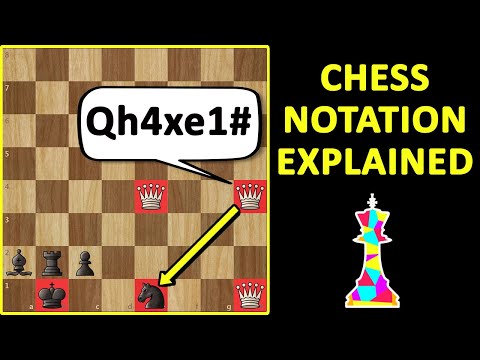
Coach's take: Thorough and well sequenced, covers both capture rules, right where beginners slip.
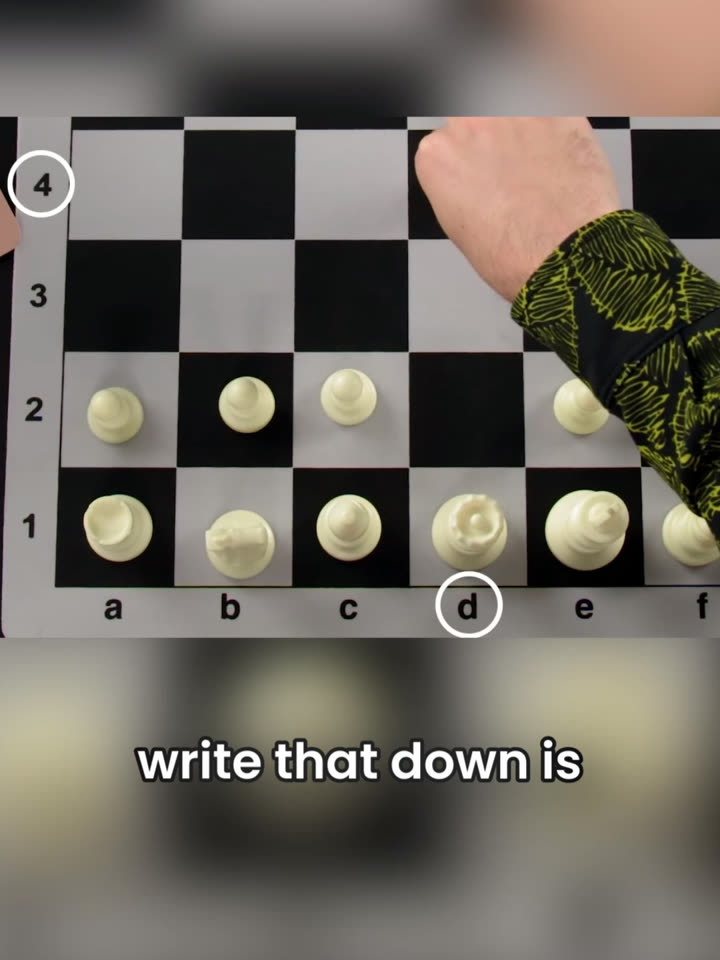
Coach's take: Clean, accurate, and covers the part that actually trips people up.

Coach's take: Nails the disambiguation case that usually trips people up -- thorough teaching.

Coach's take: Most complete rulebook of the bunch, but it's a checklist, not a demonstration.

Coach's take: Simple and correct - does exactly what it sets out to do.

Coach's take: Translates a whole real game side-by-side -- useful if you read old chess books.

Coach's take: Clean, patient, and explains why it matters -- a genuinely good first lesson.

Coach's take: Heavy on repeated worked examples, good for a first-timer, plus the diagonal bonus.

Coach's take: Nice memorable analogy and live demo, just hasn't reached castling or promotion yet in this clip.

Coach's take: Actually explains disambiguation with a real why, more than most notation videos bother with.
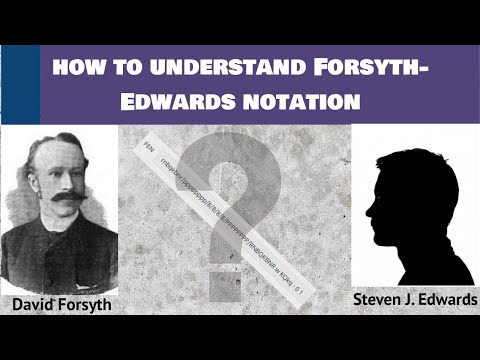
Coach's take: Great motivating example for why FEN exists, clear start on the syntax.
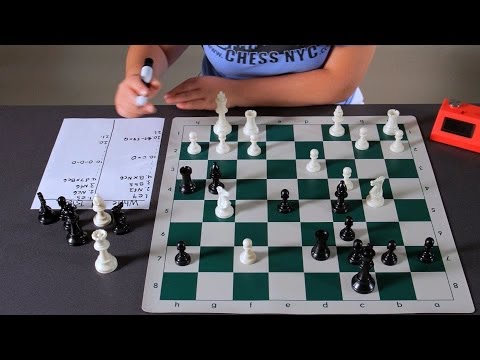
Coach's take: Efficient one-game walkthrough, hits the key notation, but rules are shown, not stated outright.

Coach's take: Decent, casual intro -- just less tight than the best notation videos in this set.

Coach's take: Great hook, but it's the trailer, not the lesson - too shallow to notate a real game from this alone.

Coach's take: Good interactive drilling on square names - just the first half of the notation story.

Coach's take: Good memory tricks for square names, but doesn't get to the notation symbols that actually matter.

Coach's take: Nice quiz-style teaching for what it covers, but it doesn't get far into notation itself here.

Coach's take: Good motivation for why OTB notation matters, but you'll wait a while for it through the storytelling.
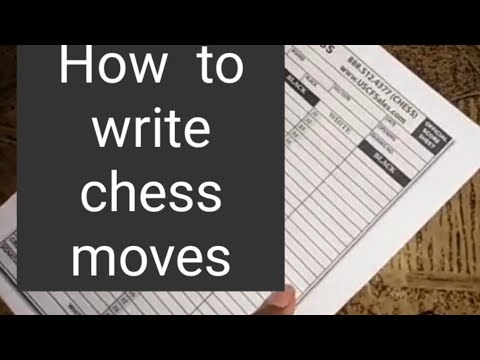
Coach's take: Hard to judge cleanly from the transcript, but what's legible reads as basic and a bit scattered.