
Intermediate
The ONLY Pawn Structure Chess Guide you’ll ever need
Coach's take: The Bologan example alone teaches a real, transferable idea about provoking outposts.
Chess
Isolated, doubled, passed and chained pawns.
Coach's take: The Bologan example alone teaches a real, transferable idea about provoking outposts.

Coach's take: Real depth - calculates the consequences of each break instead of just naming them.

Coach's take: The skeleton analogy alone makes this worth watching -- structure really does become obvious.

Coach's take: Goes past the obvious idea to the real point of the move -- excellent depth.

Coach's take: Textbook-quality — defines the terms and immediately shows why they matter.

Coach's take: Shows exactly how 'just developing' can quietly lose the plot in a structural position.

Coach's take: Genuinely teaches how to weigh competing structural plans, not just 'which move is best.'
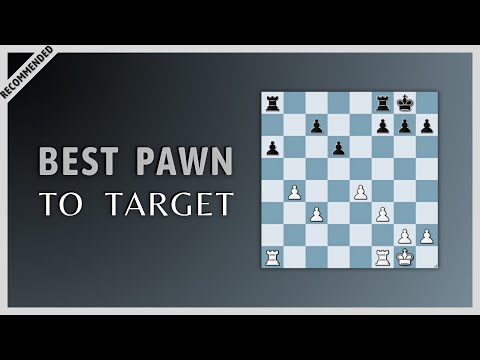
Coach's take: Great worked demonstration of 'attack the weak thing, not the obvious thing.'

Coach's take: Walks every branch of the minority attack and shows exactly which pawn falls in each.

Coach's take: Doesn't just give a rule -- shows you exactly when to break it and why.

Coach's take: One rule, shown to actually generalize — this is how you make a lesson stick.

Coach's take: Best kind of lesson — a real mistake dissected properly, with the principle spelled out.

Coach's take: Thorough opening-specific structure theory - not for a first exposure, but accurate and deep for those ready for it.
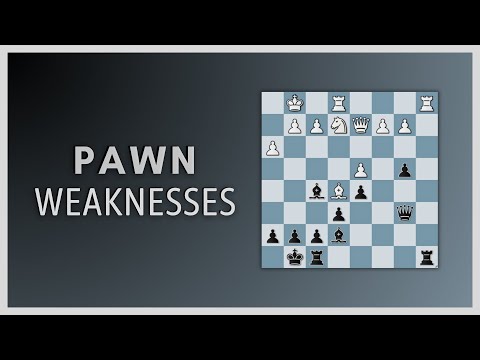
Coach's take: Fixes a mistake almost every improving player makes about what actually counts as weak.

Coach's take: Precise definitions, not just hand-waving -- a real foundation to build on.

Coach's take: Excellent — makes you find the plan yourself before showing the answer.

Coach's take: Solid majority-to-passed-pawn lesson with strong game examples.

Coach's take: Clean explanation of why this bishop trade doesn't achieve what it looks like it should.
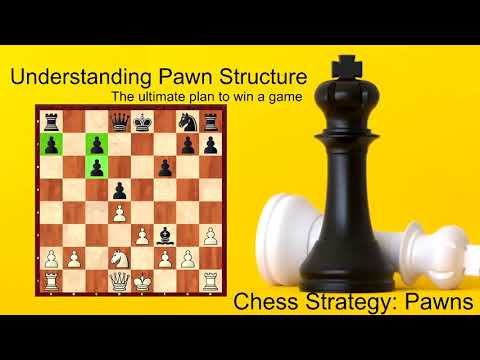
Coach's take: Repetition across many positions really drills the core heuristic in.

Coach's take: Explains why the categories matter, not just their names -- that's what makes it stick.

Coach's take: Uses clean example positions instead of messy real games -- smart choice for a first lesson.

Coach's take: Defines everything before using it -- good entry point into structural thinking.

Coach's take: Corrects a real, specific mistake and explains why -- even pushes back on the engine with a real practical reason.

Coach's take: Corrects a real misconception with actual reasoning, not just 'trust me' -- excellent.

Coach's take: Blunt, specific correction of a real mistake -- exactly what a game-review video should do.
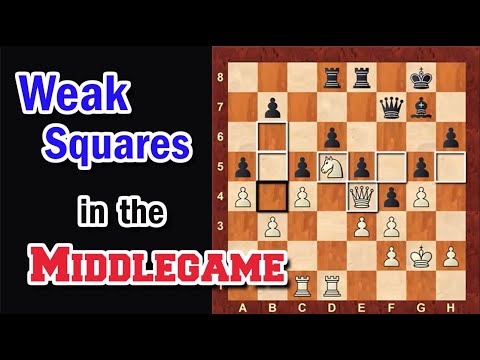
Coach's take: Great side-by-side comparison of when a hole actually matters.

Coach's take: Good glossary of terms, but stops short of showing them in action.

Coach's take: Good ideas, but the delivery is scattered enough that you have to work to follow it.

Coach's take: Correct definitions, but nothing to actually see or apply.