
Intermediate
pins and skewers
Coach's take: Strong lesson -- the 'pin to a square, not just a piece' idea alone is worth knowing.
Chess
Freeze a piece, or force a valuable one to move.
Coach's take: Strong lesson -- the 'pin to a square, not just a piece' idea alone is worth knowing.

Coach's take: Well-chosen, increasingly clever examples that build real pattern recognition.

Coach's take: Teaches the real skill - piling pressure on a pinned piece until it breaks - not just spotting one.

Coach's take: Same solid lesson, just a re-upload.

Coach's take: Nice beginner-move-vs-best-move contrast -- sharpens real pattern recognition.
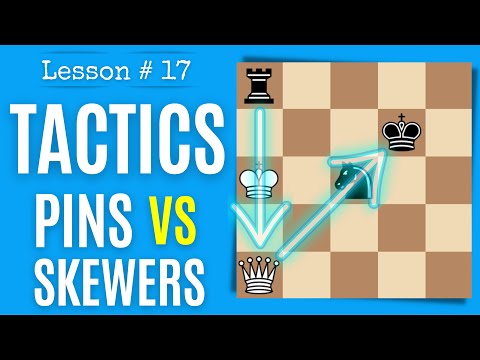
Coach's take: Clear, patient teaching -- and it tells you to go practice, which is the right advice.
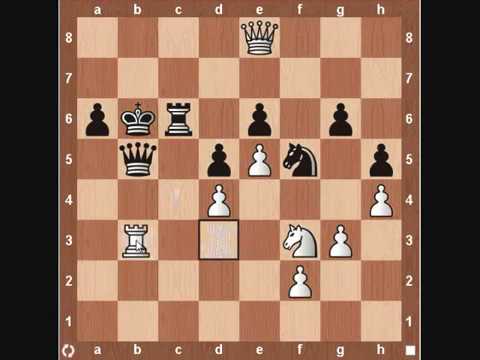
Coach's take: Good escalation from 'free' skewers to ones you have to set up with a decoy first.

Coach's take: Goes past the definition into how to actually use and defend against a pin.

Coach's take: Builds from easy to nasty — the double-skewer example at the end is the kind that actually sticks.

Coach's take: Good nuance -- the hard-pin/soft-pin distinction most beginners never hear.
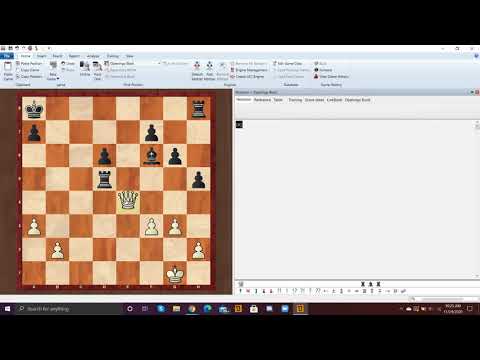

Coach's take: Real puzzles with real explanations -- good way to actually drill the pattern instead of just watching.
![Beginner Chess Strategy and Tactics - Skewers [Chess Visualization Tactics]](https://i.ytimg.com/vi/LYRR7wxKS_8/hqdefault.jpg)
Coach's take: Covers the pattern from every angle -- horizontal, diagonal, vertical -- and shows you how to actually spot it.
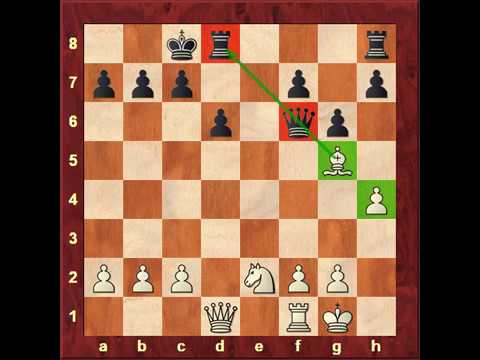
Coach's take: Multiple real examples, explained clearly and repeated until it sticks -- solid teaching.
Coach's take: The five-theme breakdown is the kind of framework you actually remember at the board.

Coach's take: Solid, efficient basics - no filler, no depth either.

Coach's take: Real, credible combinations built around pins -- just don't expect much hand-holding.
Coach's take: Best explanation of WHY a pin isn't a skewer -- the geometry, not just the name.

Coach's take: Good basics, but the third 'situational pin' example doesn't hold up -- skip or double check that one.

Coach's take: Great volume of real combinations, but it flies by without much explanation -- bring your own foundation.

Coach's take: Good clear intro but it's a fly-by -- one example each for pin and skewer and you're done.

Coach's take: The pin/skewer portions are clearly taught, and the closing find-all-six puzzle is a nice touch.
Coach's take: Clear definition, but still no real board example to practice on.

Coach's take: Decent, beginner-friendly pin examples once it actually gets to them.

Coach's take: Technically accurate but there's not one real board position in here -- you won't learn to spot this from words alone.
Coach's take: Confusing delivery undercuts otherwise on-topic puzzle content.