
Advanced
Understanding This Would Win You 90% Of Rook Endgames
Coach's take: Real depth, compares defensive tries and explains why one holds better than the other. Not for skimming.
Chess
Rook and pawn fundamentals and king activity.
Coach's take: Real depth, compares defensive tries and explains why one holds better than the other. Not for skimming.

Coach's take: Explains why the bridge technique has to look the way it does, not just the recipe.

Coach's take: As clean and complete a Philidor lesson as you'll find - reasoning included, not just the recipe.

Coach's take: Precise theory plus a real grandmaster game to prove it holds up in practice.

Coach's take: Drives home one rule with several clean, well-chosen examples.

Coach's take: A complete toolkit for holding a draw a pawn down -- explains the reasoning at every step.

Coach's take: Doesn't just state the rules — shows you why they're true.

Coach's take: One of the best in this batch — a real principle, proven move by move in a real game.

Coach's take: Makes you guess before it tells you, and explains why your first instinct is probably wrong. Sticks with you.

Coach's take: Nails the one rule that makes Vancura work and shows what happens if you break it.

Coach's take: Genuinely useful defensive resource, explained with real reasoning despite the accent/rough narration.

Coach's take: Turns a real GM game into a genuinely reusable principle.

Coach's take: One of the clearest step-by-step breakdowns of Philidor-type theory you'll find.

Coach's take: Clean, well-explained technique — a real rook endgame lesson.

Coach's take: Doesn't just teach the technique -- teaches you to recognize when to aim for it in a normal-looking game, which is the harder and more useful skill.

Coach's take: Clean, well-paced intro to both of the essential rook endgame positions.

Coach's take: As clear an explanation of Philidor as you'll find — shows the wrong way too.

Coach's take: Genuinely instructive -- shows you the trap most players fall into, not just the solution.
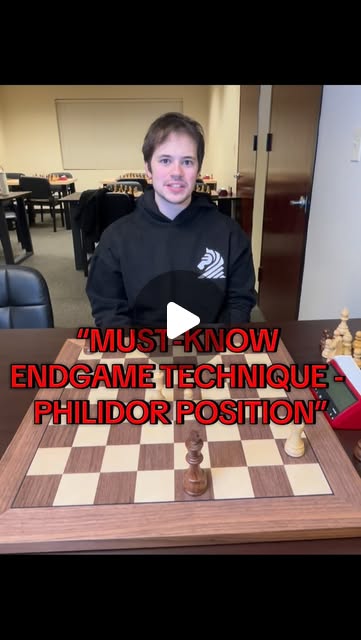
Coach's take: Clear and correct -- you could use this in a real game.

Coach's take: Thorough and accurate, several worked positions.

Coach's take: Punchy, memorable rules that fix mistakes players make well into the 2000s -- genuinely useful.

Coach's take: Practical, honest framing of what actually matters most in real rook endgames.

Coach's take: Solid heuristics, don't let the clickbait title put you off.

Coach's take: Precise and correct, but dense — you need the basics down cold before this helps.
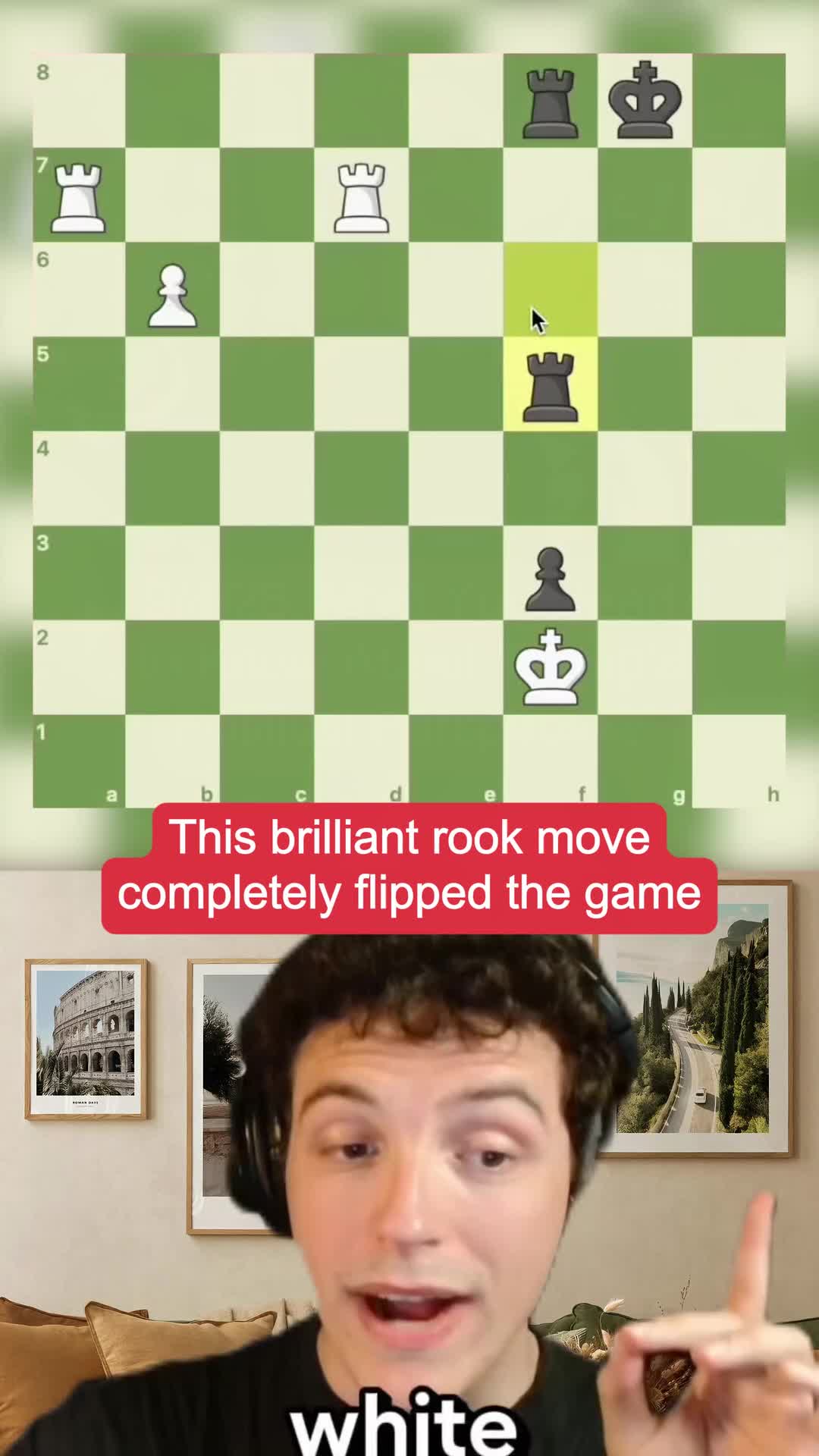
Coach's take: Clean, logical, easy to follow.

Coach's take: Real coaching wisdom on converting an advantage -- this is the mindset that separates players who convert wins from those who let them slip.

Coach's take: Solid technique, but assumes you've already watched the earlier lessons in the series.

Coach's take: Solid reference material with real reasoning behind each rule -- dense, so expect to rewatch parts.
Coach's take: Quick, clear, one useful idea you'll actually remember.
Coach's take: Explains the why, not just the what.

Coach's take: Memorable framing of a real principle, just wish there was more than one example.
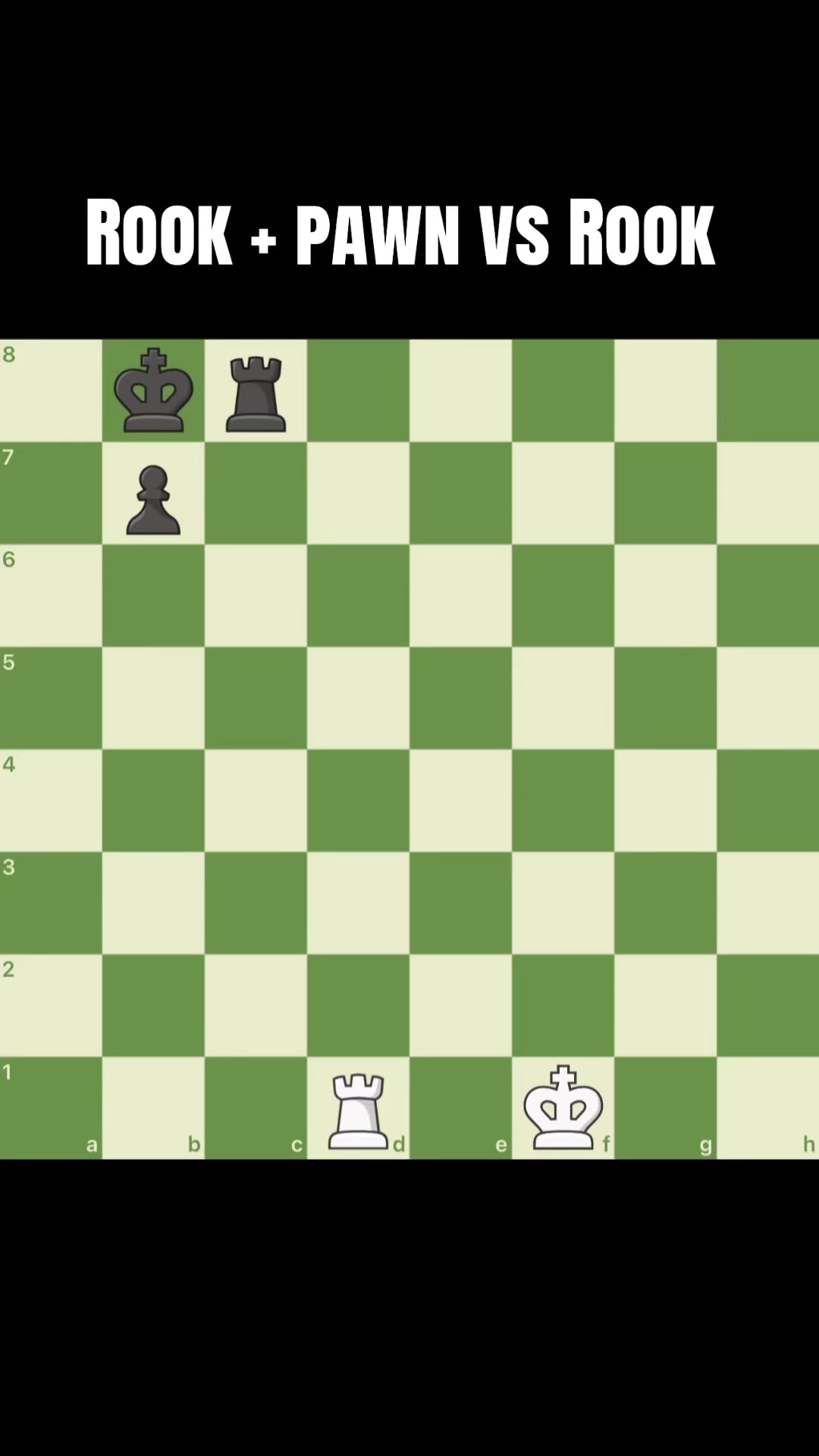
Coach's take: Promises the actual plans for both sides - sounds like real endgame instruction.

Coach's take: Solid theory, delivered as live analysis rather than a polished lesson -- expect some rough edges.
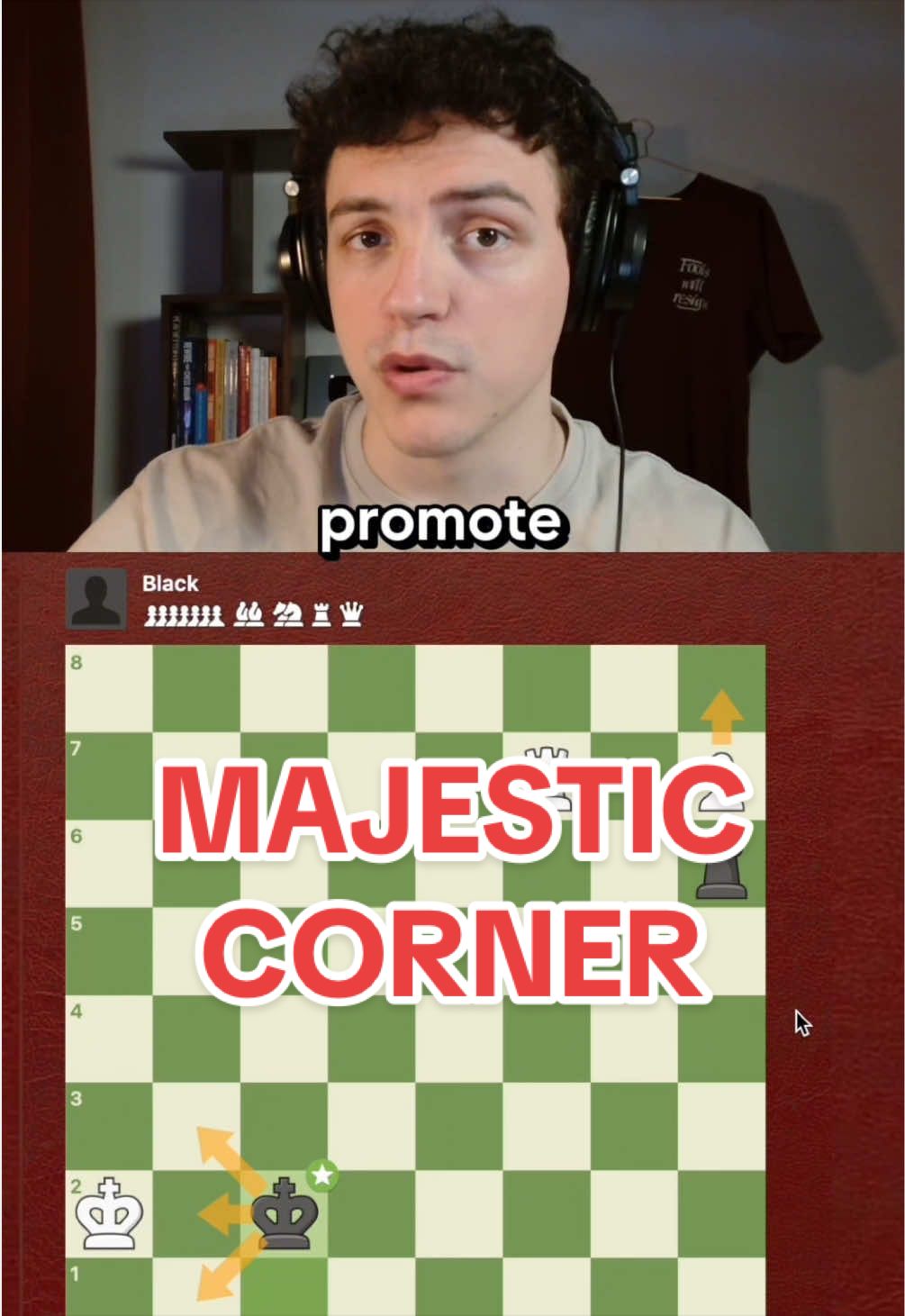
Coach's take: Clean explanation of a neat forcing idea.

Coach's take: Too rushed to actually teach the reasoning, just answers.
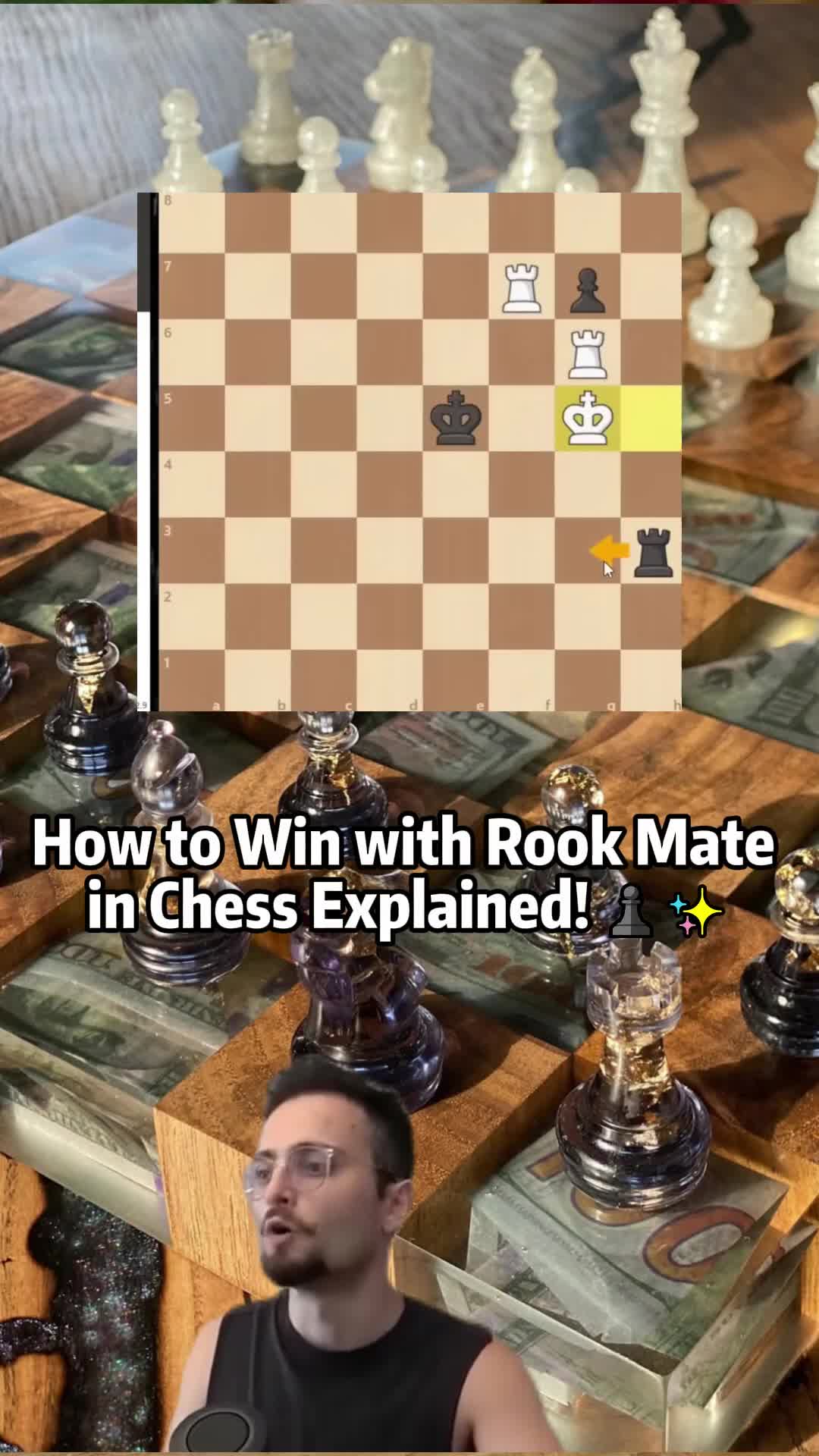
Coach's take: Simple, practical, and you can use it immediately.
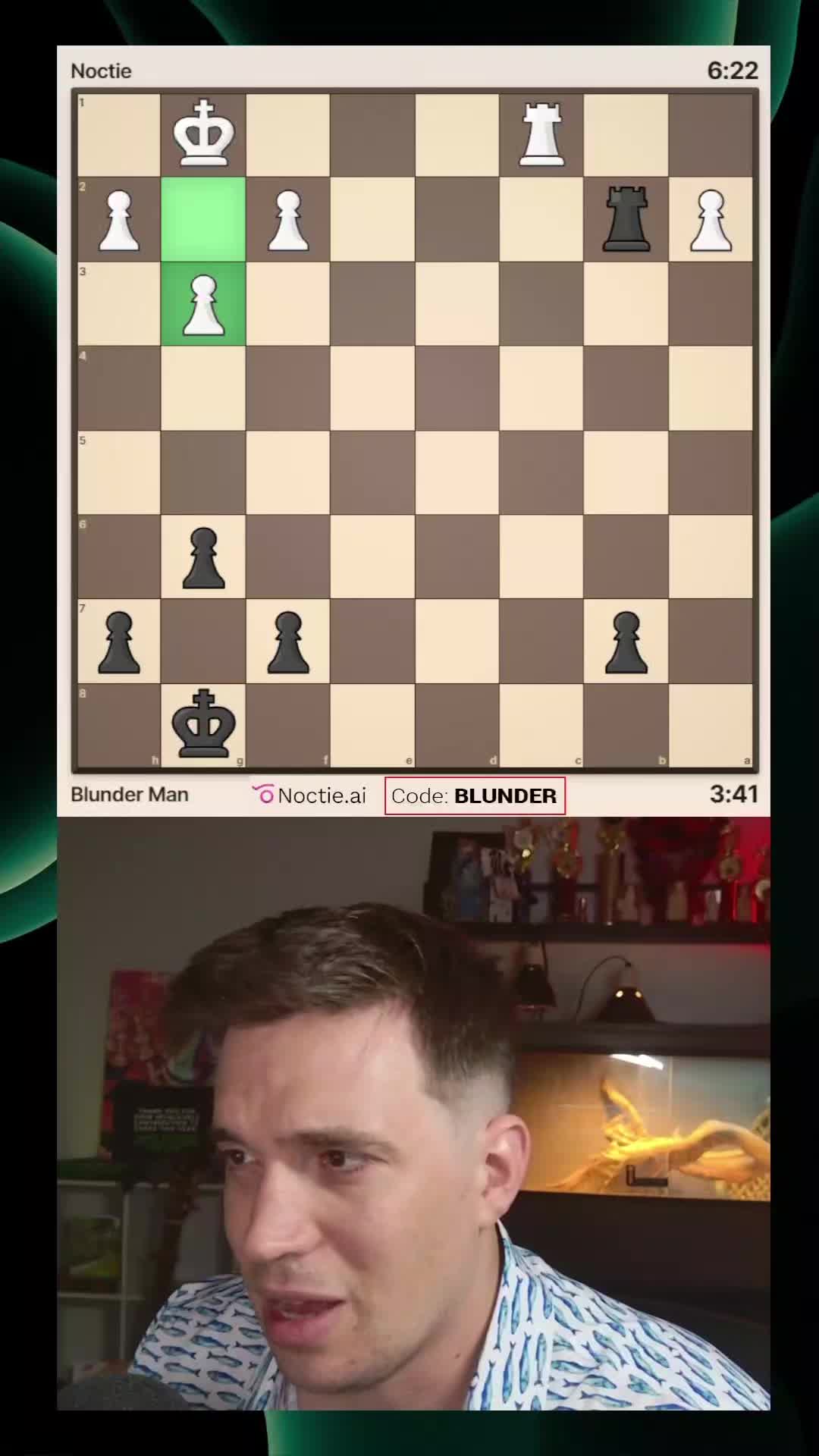
Coach's take: Interesting to watch, but not clearly taught.
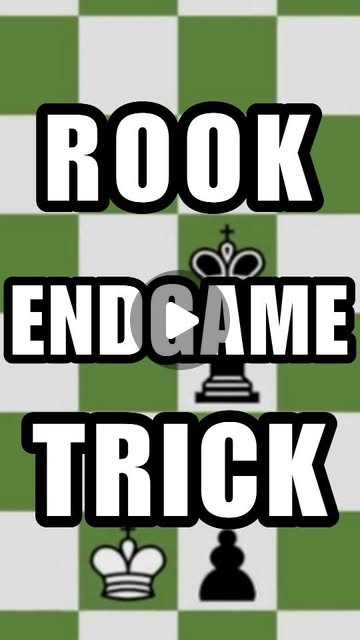
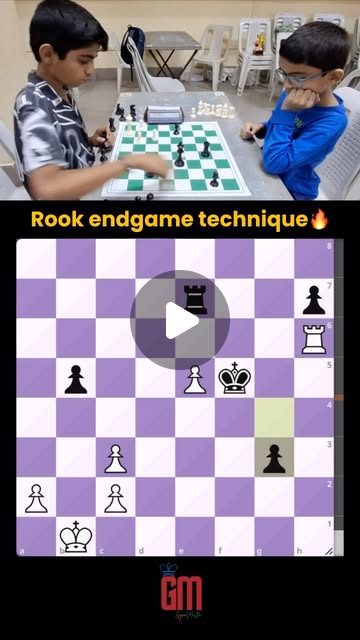
Coach's take: Good underlying idea, but the rough phrasing makes me less sure it's clearly taught.