
Beginner
How To Play Chess: Learn All The Rules Of The Royal Game
Coach's take: Exactly how you want the rules taught — by someone who's clearly taught this to beginners before.
Chess
How the pieces move, check, mate, stalemate and the special moves.
Coach's take: Exactly how you want the rules taught — by someone who's clearly taught this to beginners before.

Coach's take: One of the more complete and accurate rules rundowns in this batch.
Coach's take: Clear, accurate, well-paced - a genuinely good first lesson.

Coach's take: Precise where most beginner rules videos get sloppy — the castling breakdown alone is worth it.

Coach's take: Straightforward and accurate, a solid first lesson on how the pieces move.
Coach's take: Everything you need to know about castling, correctly, in one clip.
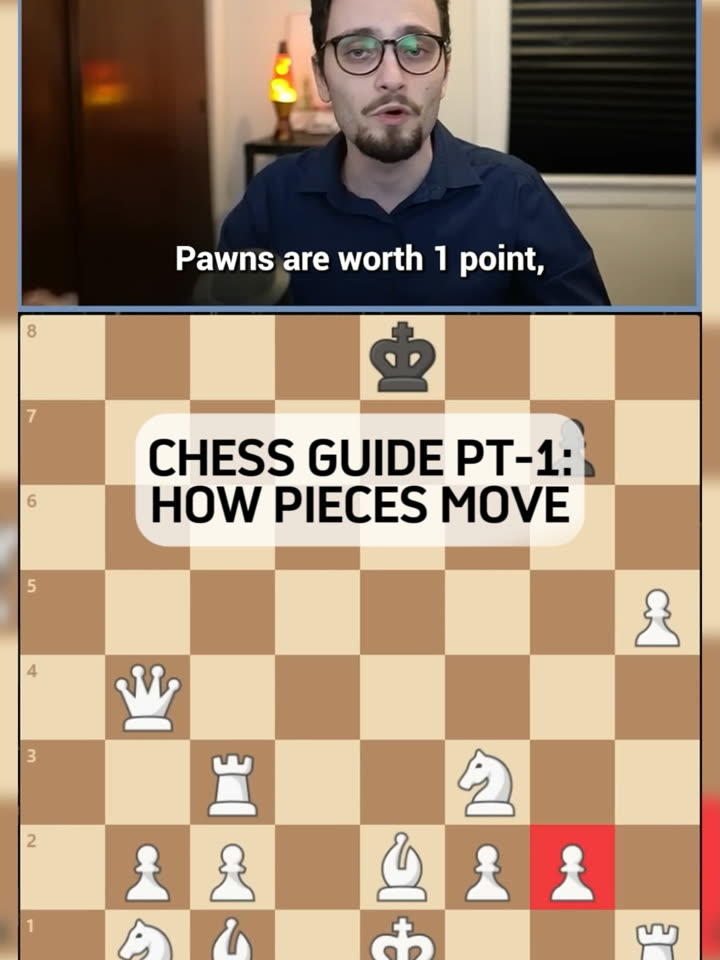
Coach's take: Clear, accurate, and covers the rules that actually trip beginners up -- just wish I could confirm the knight bit came through clean.
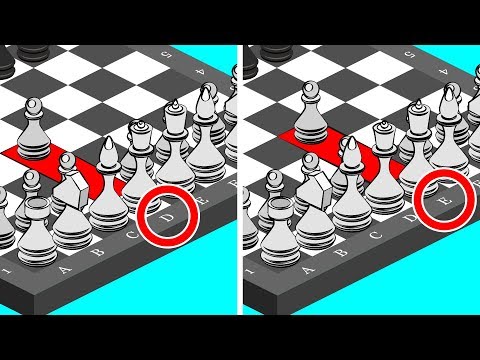
Coach's take: Does the job properly - solid, accurate, complete.

Coach's take: A little dry, but it doesn't miss a single rule you need to know to start playing.
Coach's take: Short, correct, and it plants the check concept early — solid building block for a first-timer.
![#Chess #ChessShorts #LearnChess #ChessStrategy #Bishop #GrandmasterMindset #ChessForBeginners#aachess [...] ♟️Learn Chess in 1 Minute #05 -](https://vqxsaabskkkjdljxiyqi.supabase.co/storage/v1/object/public/thumbnails/instagram/reel-DUHjfNZEknI.jpg)
Coach's take: Correct and well explained - does exactly what a beginner needs.
Coach's take: Correct and clear on every rule, including the tricky ones like en passant.
Coach's take: Simple, accurate, and the little comparisons make it stick — good first lesson.
Coach's take: The color-flip trick alone makes this worth showing a first-timer who's confused by the knight.
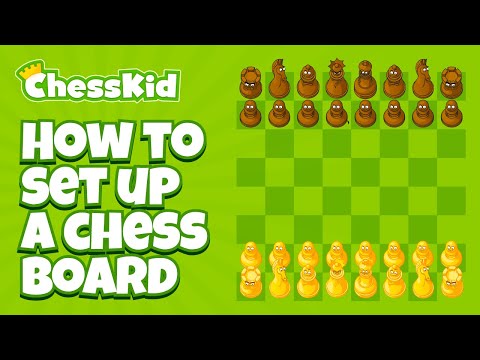
Coach's take: Best explanation of board setup I've seen — the mnemonics actually work.

Coach's take: Clear, well-demonstrated, just a notch deep in the lines.

Coach's take: Excellent -- a GM teaching fundamentals the right way.

Coach's take: Correct and covers rules a lot of beginners never learn, just has some unnecessary padding.

Coach's take: Thorough and accurate, just wordier than it needs to be.

Coach's take: Strong, credible analysis of a real principle.
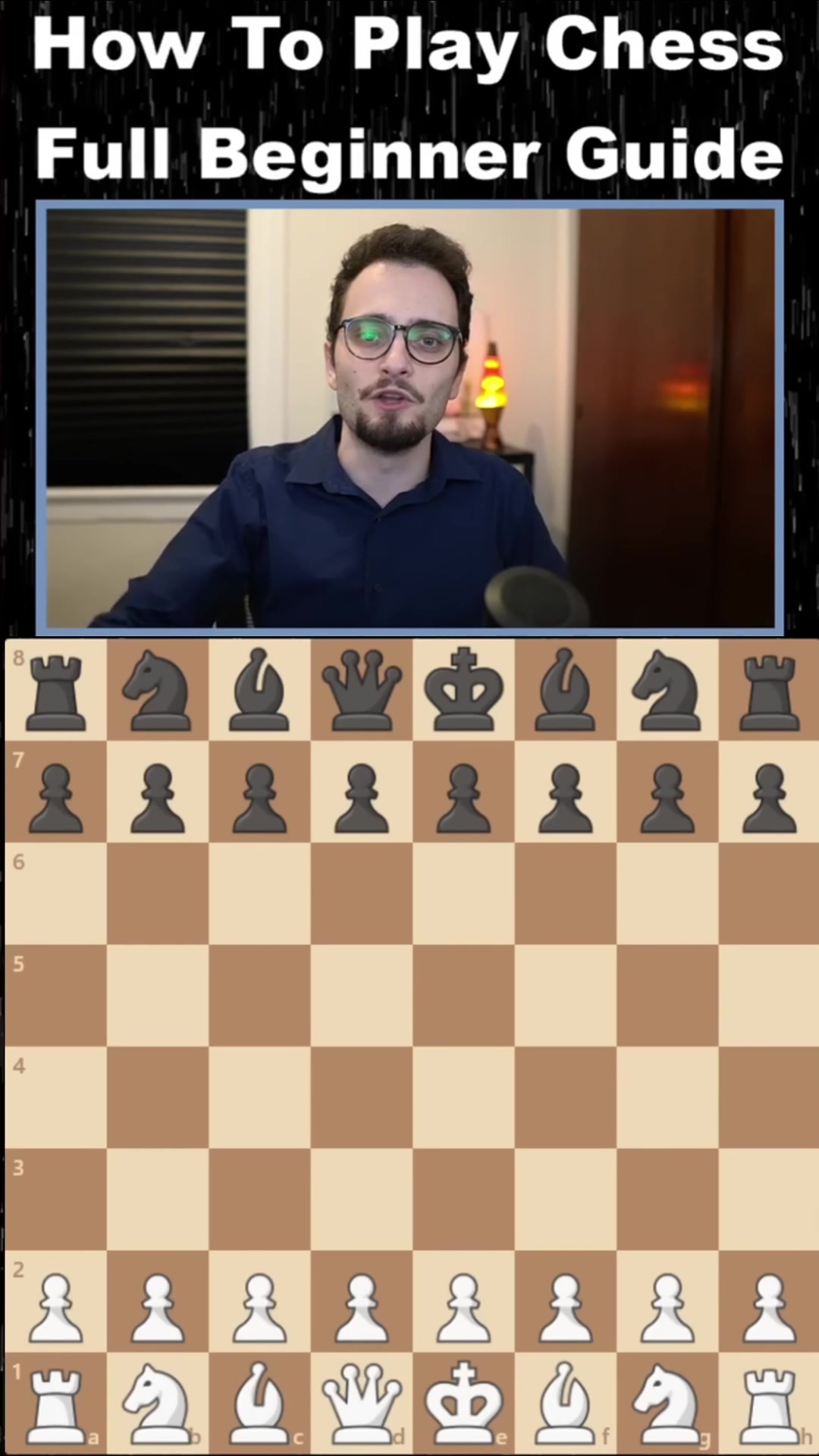
Coach's take: Clear, patient, explains the reasoning - genuinely good teaching for a total beginner.

Coach's take: Good, credible principles -- just needs some board literacy first.

Coach's take: Simple, correct, and the bad-piece-placement examples land the point well.

Coach's take: Fine for a young kid who needs the story to stay engaged, but slow to actually get to the rules.

Coach's take: A decent refresher, not a first lesson — too rushed to actually teach piece moves.
Coach's take: Right topic, but 18 seconds can't actually teach castling, promotion, and en passant - looks like a checklist, not a lesson.