
Beginner
Conditioning Shins for MMA/Martial Arts | GNT Tutorial
Coach's take: This is the one to actually follow - accurate, structured, and it tells you when to stop.
Muay Thai
Condition the shins without wrecking them.
Coach's take: This is the one to actually follow - accurate, structured, and it tells you when to stop.

Coach's take: The rare one that gets the science right and gives you an actual progression to follow - start here.

Coach's take: The clearest, most honest explanation of shin conditioning in this batch -- this is the one to point beginners to.

Coach's take: This is the one to send a beginner scared of shin conditioning — honest, safe, and correct.

Coach's take: The most complete, actually-structured shin conditioning program in this batch.

Coach's take: Solid, safe progression you can actually follow — start soft, build up, know when to rest.

Coach's take: The real biology behind why kicking things repeatedly actually works -- genuinely well done.
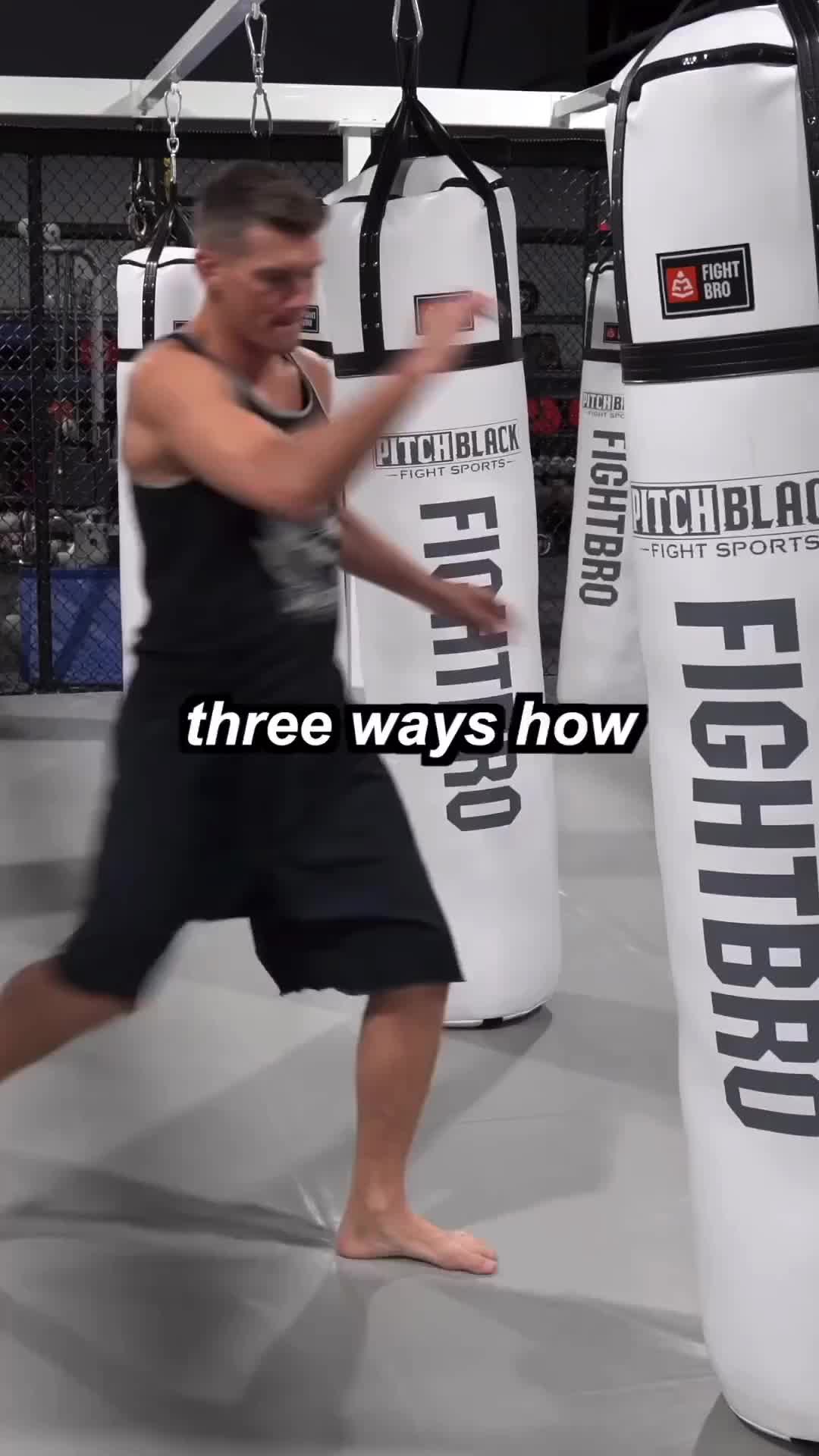
Coach's take: Numbers, tools, and a sensible progression -- everything you need to get started.

Coach's take: Delivery is loose, but the advice is exactly what a top-level coach would tell you.

Coach's take: Actual progression you can follow — volume before intensity, pad to bare shin.
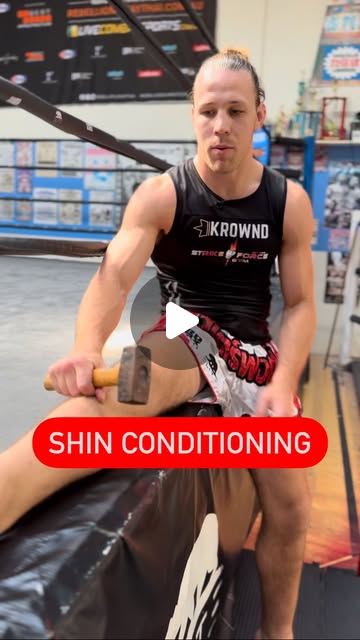
Coach's take: Coach language, but the advice is exactly right -- hit the bag, not a stick.

Coach's take: Solid tool breakdown from someone who's clearly done the work - just don't expect a full program.

Coach's take: Genuinely science-literate takedown of bad claims -- just wish I could see the actual how-to part.

Coach's take: Good myth-check -- stick rolling is mostly mental, real conditioning comes from bag work and running.
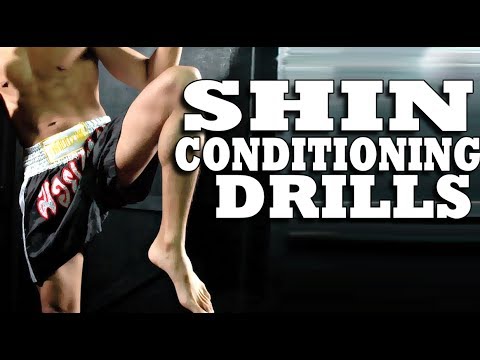
Coach's take: Good drills and real safety notes, but the 'deaden the nerve' framing is outdated - sensitizing is the better mental model.
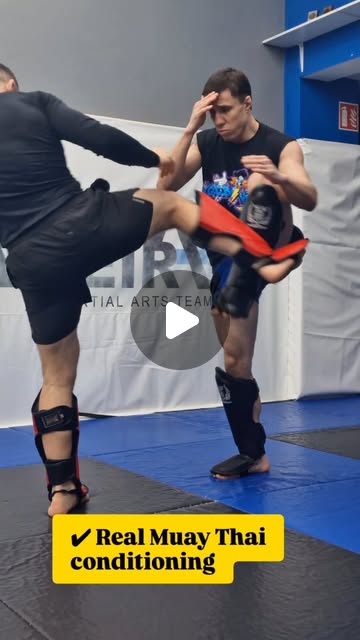
Coach's take: Good myth-busting message: train consistently, skip the reckless 'toughening' methods.

Coach's take: Credible and reassuring, just don't expect a specific program out of it.
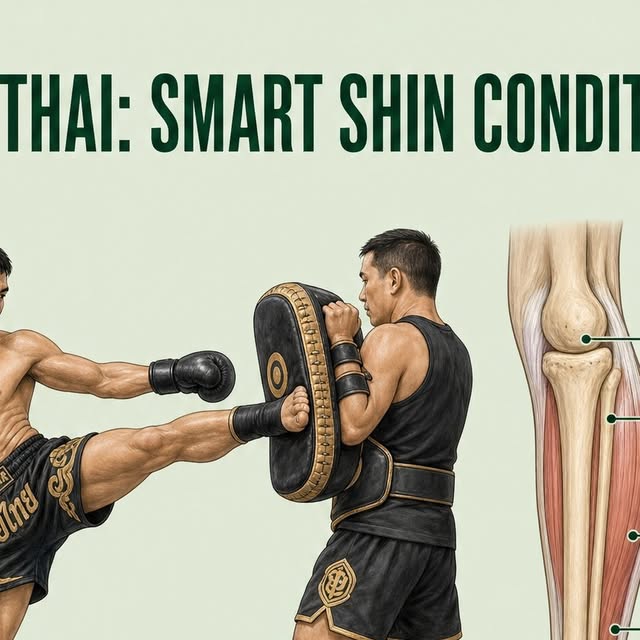
Coach's take: Sound, safe progression advice from a credible sports-therapy source.

Coach's take: Nothing flashy, just correct fundamentals: build it up gradually and train both sides.

Coach's take: Fun and honest, but thin on progression/safety detail - good that he points you to Sylvie's more in-depth videos though.

Coach's take: Covers the classics but gives you no actual program to follow.
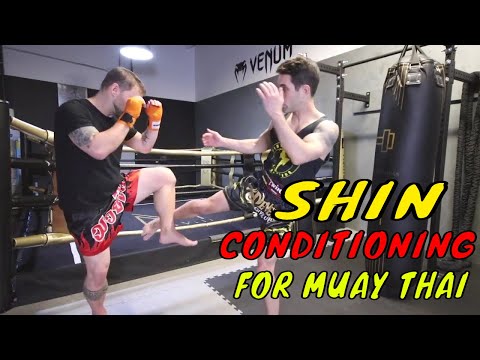
Coach's take: Good drill, badly delivered - the idea is worth stealing even if the explanation rambles.

Coach's take: Short segment, but the advice in it (don't overdo it, let it heal) is exactly right.

Coach's take: Clear, accurate anatomy lesson - correctly debunks the 'conditioned shins can't break' myth too.

Coach's take: More thoughtful than most stick-and-bottle videos, but I'd still rather see a beginner hit pads than hit their own shin with a stick.