Choosing running shoes

Running / Popular

Pick shoes that fit your foot, gait and mileage.

What coaches agree on

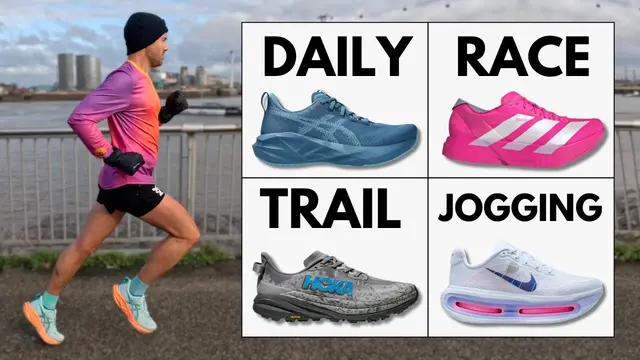
  • Match the shoe to the run: keep a comfortable, well-cushioned shoe for daily training and long runs, and save a lighter, more responsive shoe for speed sessions or race day.
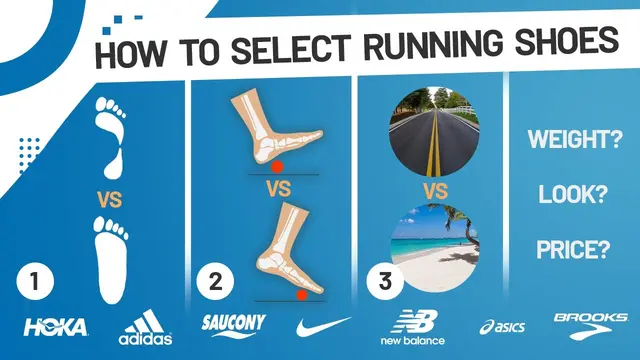
  • Work out how your foot rolls when you land: flatter, inward-rolling feet (overpronation) do best in a stability or motion-control shoe, while a neutral or high, rigid arch does fine in a neutral or more cushioned shoe.
Show more
  • Heavier runners and everyday training benefit from more cushioning for shock absorption, while a lighter shoe helps you move faster on race day or in speed sessions at some cost to comfort and durability.
  • Your shoe's heel-to-toe drop shifts where the impact lands on your leg, loading the calf and Achilles more when it's low and the knee and hip more when it's higher, so pick a drop that matches how you land and feels comfortable.

Common mistakes

  • Picking a shoe for its color, look, or brand hype — or simply because a friend or elite runner wears it — instead of what actually fits your own foot and running.
  • Jumping straight into a minimalist or zero-drop shoe without first building up calf and Achilles tolerance, which brings on lower-leg pain and injury.
  • Expecting the shoe itself to correct your gait or prevent injury on its own, when that takes strength and form work the shoe can't do for you.
How to select running Shoes?
Intermediate

How to select running Shoes?

Coach's take: One of the more sophisticated shoe-selection frameworks here - worth it once you have some running history.

4.0