Race pacing

Running / Popular

Pace a 5K to a marathon without blowing up.

What coaches agree on

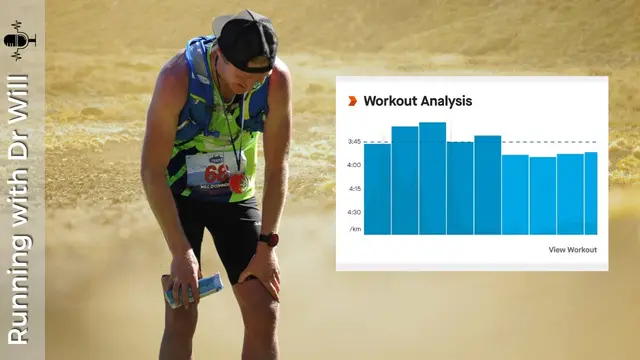
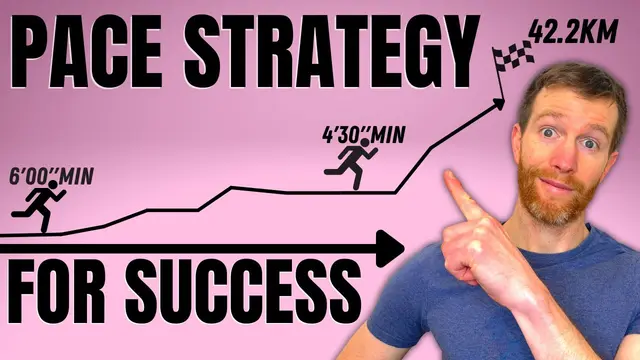
  • Aim to run even, consistent splits from start to finish rather than letting your pace drift. The same pace will simply feel harder as the race wears on, so expect the effort to climb even when your speed doesn't.
  • Study the course elevation and the forecast beforehand, and plan to run by effort rather than a fixed pace on hills or in the heat. You lose more time climbing than you gain back on the way down, so a hilly or hot course needs a different plan than a flat, mild one.
Show more
  • Scale your warm-up to the distance you're racing. For a 5K or 10K, jog easy and run a few strides for 10-15 minutes beforehand; for a marathon, keep the warm-up short and dynamic-only and let the first mile or two of the race itself do the rest.

Common mistakes

  • Getting swept up in the start-line adrenaline, or believing a fast start banks time you can spend later, and setting off faster than goal pace is the single biggest cause of blowing up. Any time gained early is paid back with interest in the second half.