Intermediate
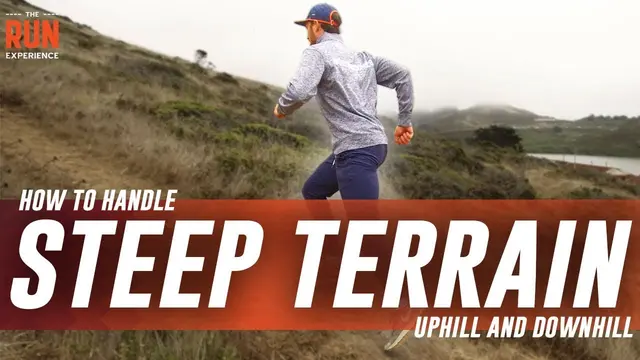
Reviewer Specific, numbered strategy you can actually use on your next climb.
Moderator A focused, specific trail-running skill lesson — climbing and descending steep/loose/technical terrain.
3.8
38 free videos on technique, drills and tips, each tagged by level
Reviewer Specific, numbered strategy you can actually use on your next climb.
Moderator A focused, specific trail-running skill lesson — climbing and descending steep/loose/technical terrain.

Reviewer Concrete formulas, real trade-offs -- excellent.
Moderator Squarely and thoroughly about trail running pole technique -- the why (workload redistribution, posture, psychology), the when (long/hilly races, heavy pack), and detailed how (length sizing formula, strap systems).
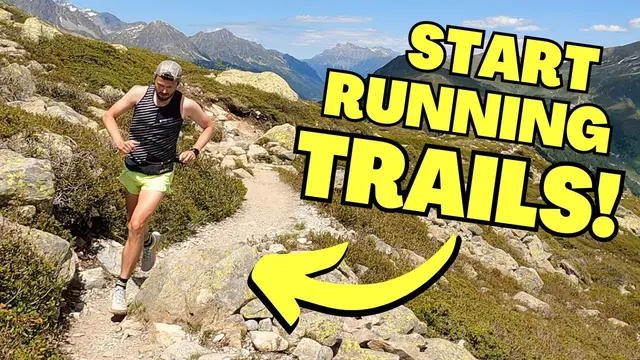
Reviewer The gear and safety talk alone is worth it -- thorough and not salesy.
Moderator Comprehensive beginner's guide -- what trail running is, gear, packs, safety, navigation, finding routes. Matches the sub-skill precisely.
Reviewer Clear, well-organized, explains the reasoning - a genuinely good starting point.
Moderator Shoe anatomy, hydration carry options, trail types, trail etiquette, a touch of stride technique at the end - all trail running fundamentals, nothing off-topic.

Reviewer Actual technique from people who know it - great starter tips.
Moderator Two sponsored trail runners walking straight through uphill and downhill trail running technique. Nothing off-topic here, all fundamentals of the discipline.
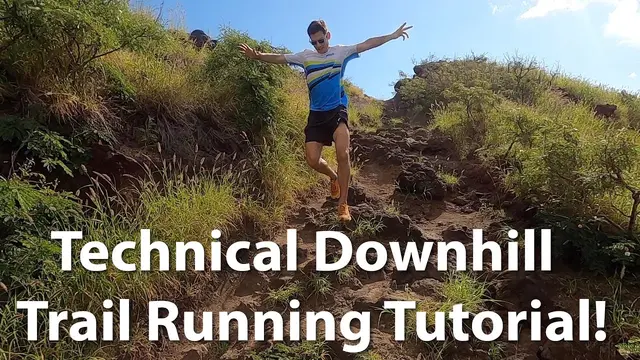
Reviewer As good as downhill trail technique advice gets in under 3 minutes -- arm swing, cadence, line choice, all with real reasoning.
Moderator Three tips, all downhill trail running technique: arm swing for balance, cadence/step length on technical ground, line choice. No filler, no tangents.

Reviewer Specific enough to actually change your next trail run.
Moderator A direct skills list for trail running — shoes, technique adaptation, specific form cues. Exactly the sub-skill.
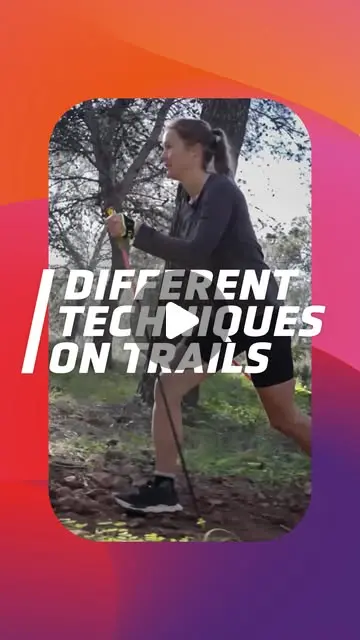
Reviewer Clear, specific, well-organized -- strong lesson.
Moderator Squarely about trail running technique -- three named, specific pole techniques for climbing (alternating, gallop, double-plant), with clear guidance on when to use each.

Reviewer Catches a real, common mistake - this one will actually fix people's form.
Moderator Same territory as the Dylan Bowman video - pole selection, sizing, technique - which is a real and important trail/ultra running skill, not a tangent.
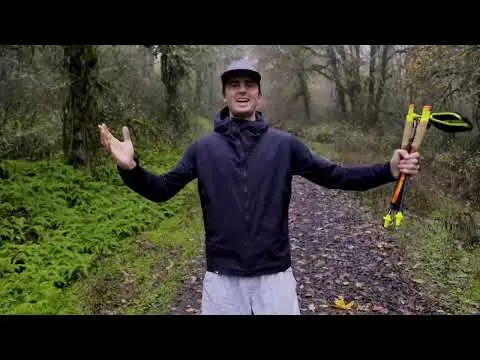
Reviewer Precise, technical, from someone who actually races on poles.
Moderator All pole technique, all the time - sizing, strap leverage, double vs single pole, uphill vs downhill use. Poles are a core tool in trail/ultra running so this is squarely on-topic even though it's narrow.
Reviewer The heart-rate management tip for switching between running and power-hiking is the standout here -- most people get this backwards.
Moderator Entirely uphill trail running technique -- stride length, cadence, hiking transitions. On topic front to back.

Reviewer Removes the two biggest beginner hangups -- gear and pace anxiety -- in one video.
Moderator Squarely a beginner trail running guide -- gear expectations, pace expectations, terrain factors. Matches the sub-skill exactly.

Reviewer Practical and refreshingly non-salesy gear advice.
Moderator Entirely and specifically about starting-out trail running gear — the exact sub-skill from a beginner's angle.

Reviewer Great starting point — honest about what you don't need yet.
Moderator The textbook 'what is this sub-skill' video — definition, benefits, gear, route planning, safety, all specifically about trail running.
Reviewer Excellent breathing and posture cues -- the 'controlled fall from the ankles' line will stick with people.
Moderator The entire video is running-efficiency mechanics -- breathing, posture, lean, arm carriage. Directly the trail running skill.
Reviewer Solid overview to know what to work on, but each tip gets one sentence -- go elsewhere for the how.
Moderator Covers stride, arm swing, downhill form, uphill form -- all trail-running technique, all on topic.
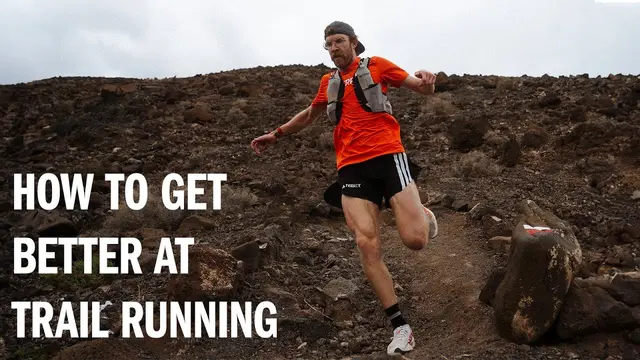
Reviewer Good if you're already training seriously and want structured sessions.
Moderator Real training content built specifically for trail/ultra runners — mobility routine, long run logistics, hill-focused speed work. Highly on-topic, slightly broader than pure technique.

Reviewer Useful nutrition insight, minor detour into selling his own hat.
Moderator Gear, nutrition, training, racing - all trail running fundamentals, delivered by someone with real results (South Downs Way 50 win). On topic throughout.
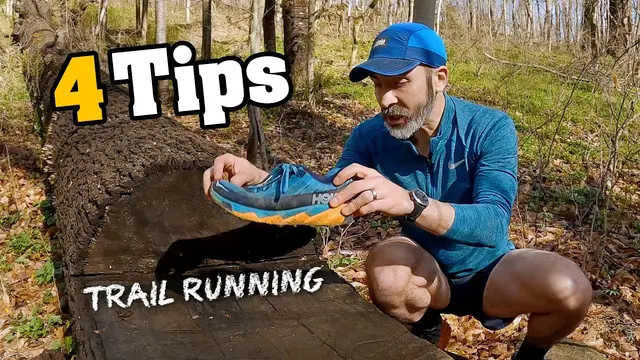
Reviewer Good, specific obstacle-by-obstacle advice -- just be patient with the rambling outro.
Moderator Rock gardens, root sections, wet log crossings -- all specific technical trail obstacle navigation, squarely a trail running skill.
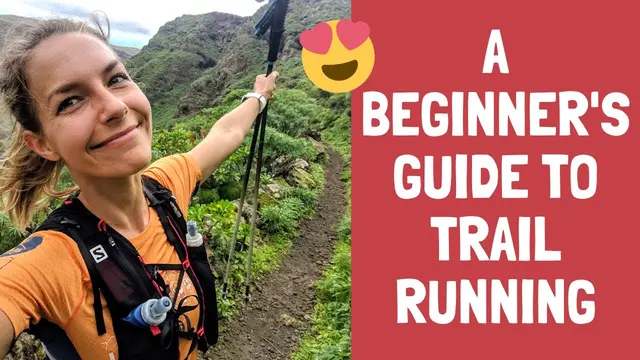
Reviewer Solid, practical starting point - a bit of scenery talk before it gets useful.
Moderator This is a straight beginner's guide to trail running as a whole - what it is, why it's good, what gear helps, where to find routes. Not chasing a narrow technique, but it's squarely trail running content start to finish.
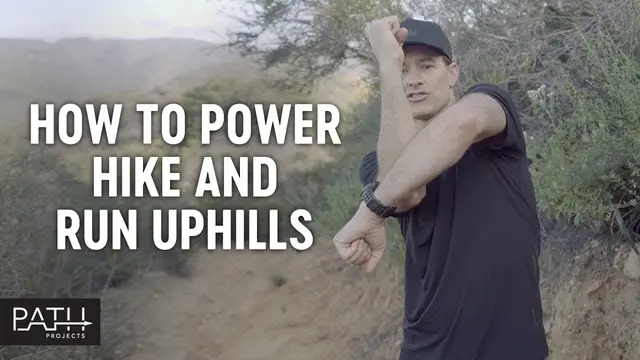
Reviewer Good basic concept, but it's over before it really digs in.
Moderator Short, but entirely about uphill trail technique and when to shift into power hiking. On topic.
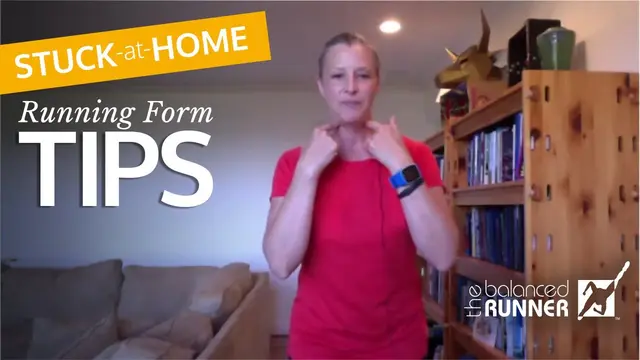
Reviewer Good, specific cue on head position -- just skip ahead past the channel-plug preamble.
Moderator The whole point of the video is how to scan technical terrain without breaking your running form -- head/torso relationship, look-up angle uphill, look-down handling downhill. That's a real, specific trail running skill, not generic road-running form.
Reviewer Sound general advice, nothing you haven't heard before if you've researched this.
Moderator Directly answers whether/how trail running helps a road runner and what a trail newbie should watch for -- squarely on topic.

Reviewer Great mindset-shift for someone scared to start, light on actual technique.
Moderator The whole conversation is about trail running -- what counts as a trail, benefits, transitioning from roads -- squarely on topic.
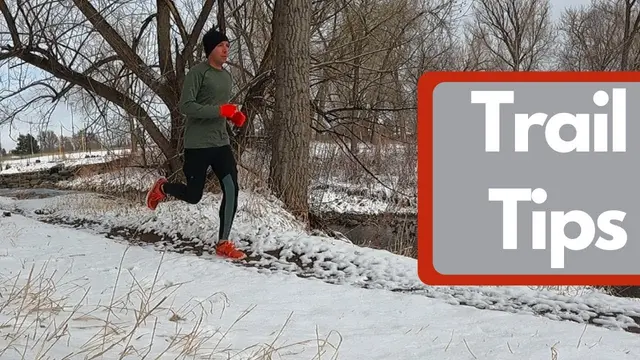
Reviewer Good on the reasons to do it, but you won't leave knowing how to handle technical terrain.
Moderator About trail running specifically -- why to do it, what changes vs road, gear reality -- on topic though more 'why' than 'how'.

Moderator Squarely about uphill and downhill trail-running form -- short stride, high cadence, and a soft landing to protect your joints.
Reviewer Short stride, high cadence, soft landing -- simple cues that are genuinely correct for trail running.
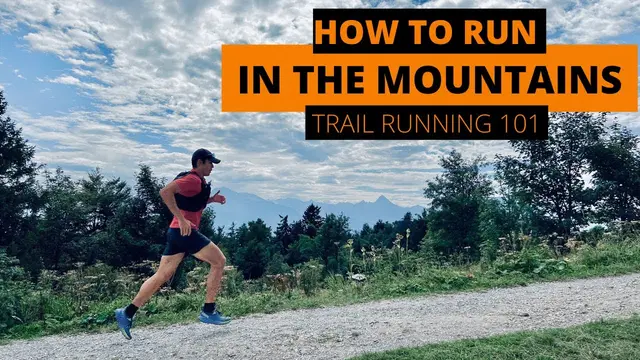
Reviewer Good breadth of real tips, a bit rambling.
Moderator Squarely framed as basics/tips to become a better trail runner -- hike-run-descend balance, importance of hill training, pacing uphill/downhill, gear (shoes, vest), and fueling with gels.

Reviewer Clear, detailed, useful decision-making guide.
Moderator Gear selection is a legitimate, commonly-bundled part of learning trail running, and this squarely explains what differentiates trail shoes (tread/lugs, rock plate, cushioning) and how to match them to terrain.
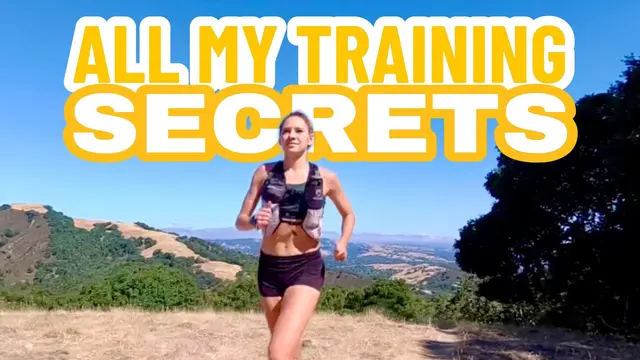
Reviewer Good nuggets if you're already racing seriously; light on explicit teaching.
Moderator Race-specific training block content — terrain-matched training location, altitude/heat considerations, fueling for vert-heavy efforts — all embedded in trail running, though delivered as a training vlog rather than a structured lesson.
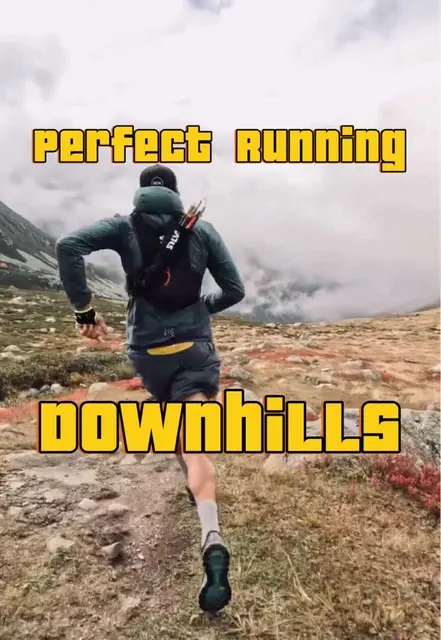
Reviewer Correct, specific fixes for a mistake most amateurs actually make.
Moderator Downhill running technique -- cadence, landing, forward lean, arm use -- is a core scenario within trail running, though the content itself is generic to any downhill (road or trail) and doesn't address off-road-specific elements like footing on loose terrain.
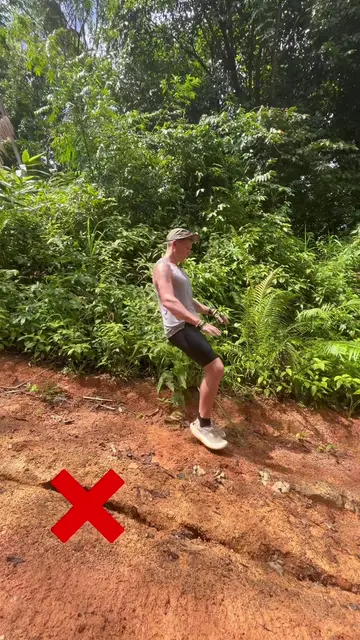
Reviewer Specific, correct, and immediately applicable.
Moderator This is genuine trail-running technique -- downhill form is one of the defining skills of trail vs road running, and this names a specific, common, correctable habit.
Reviewer Honest and useful on kit; the descending tip names the skill but doesn't teach it.
Moderator A road and track runner's first lessons from trail racing: carry a pack with water, real food, waterproofs and a survival bag; steep descents are controlled falling; drop the pace obsession and enjoy it. Squarely trail running, though it's an overview of three points rather than a how-to.

Reviewer You'll understand the risks well; don't expect technique tips here.
Moderator Entirely framed around what's actually different about trail running from an injury-risk standpoint — real studies, real numbers on ankle injuries and tendon strain from hills. Genuinely about trail running as a topic, just via an analytical angle rather than technique.

Reviewer Changes how you'll think about trail running; won't change how you run it.
Moderator Squarely about what trail running actually demands relative to road — pacing philosophy, unpredictability, mental load — framed specifically for someone about to try their first trail race.
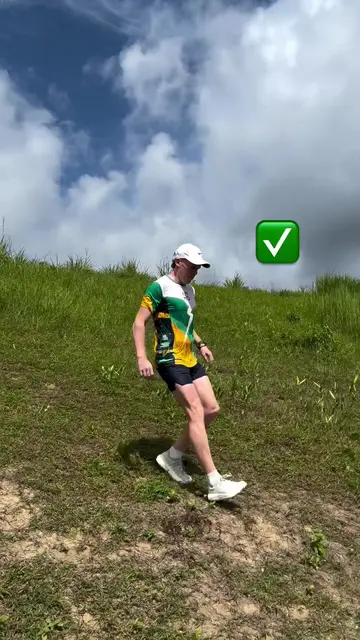
Reviewer A genuine trail skill: a galloping gait on steep descents, switching the leading leg to share the load. Nine seconds introduces it; practise on a gentle slope before trusting it on steep ground.
Moderator Gallop technique for steep trail descents: an asymmetric gait that spares the legs, switching the leading leg to even out the load. A real skill that belongs to trail running.
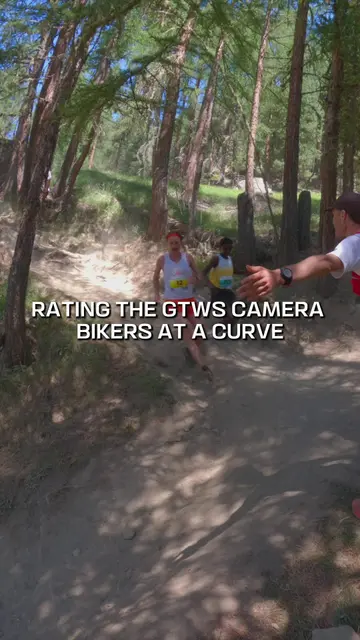
Reviewer Practical uphill pointers (lean from the ankles, use your arms and glutes), which is where road runners struggle first on trails. Thirty-six seconds is a taster, not a plan.
Moderator Why trail running is harder than it looks, with uphill tips: lean from the ankles, shorter cadence, glutes and arms driving the climb. Squarely trail technique.
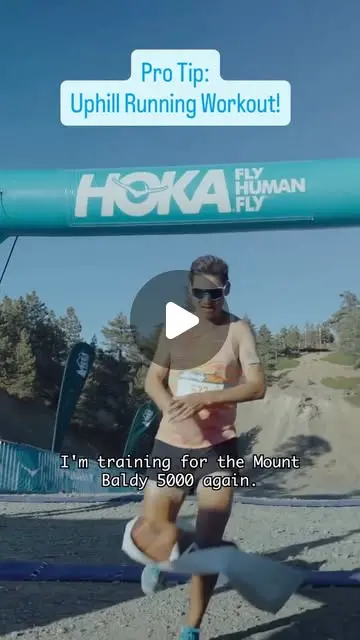
Reviewer Usable workout: six to eight hill strides of 20 to 30 seconds, faster than 5K effort, full rest, a couple of times a week. Sponsored clip, and nothing on footing over rocks or descending.
Moderator Uphill training from a mountain racer: break the climb into pieces and do hill strides, six to eight reps of 20 to 30 seconds faster than 5K effort with full recovery, two or three times a week. Useful for climbing on trails, but it's a hill workout, not trail skills like footing, descending or technical terrain.

Reviewer Real tips, but scattered, not a structured lesson.
Moderator A race-recap vlog, but it carries genuine trail/ultra-relevant advice woven in -- altitude's effect on breathing at ~1900m, 'little and often' fueling strategy, respecting cutoff times, and explicitly framing the route as suitable for beginners.