
Beginner
Reviewer The most complete, honest beginner walkthrough of the bunch.
Moderator A complete, real start-to-finish walkthrough of getting a genuine beginner into zone 2 training — calculation, gear, watch setup, first run.
3.8
38 free videos on technique, drills and tips, each tagged by level
Reviewer The most complete, honest beginner walkthrough of the bunch.
Moderator A complete, real start-to-finish walkthrough of getting a genuine beginner into zone 2 training — calculation, gear, watch setup, first run.

Reviewer Excellent - explains the pace-vs-effort trap that catches almost every runner eventually.
Moderator Entirely about why zone 2 running drifts out of range and how to actually stay in it - pace vs. effort, heart rate drift with terrain and conditions. Precisely on topic and more technically rigorous than most zone 2 content out there.

Reviewer Credible, clear, and actually actionable.
Moderator Explains what zone 2 does physiologically and gives concrete, practical advice (watch on heart rate only, ignore pace) backed by a real personal result.

Reviewer Best kind of lesson -- real data, real mistakes, real fixes.
Moderator This is coaches picking apart three real athletes' easy-run data specifically to check whether they actually executed zone 2 correctly. About as on-topic as it gets -- it's a working session on the subskill.

Reviewer Genuinely useful - explains both the feel and the physiology behind zone training, with practical pitfalls called out.
Moderator Directly explains the training-zone framework and gives Zone 2 explicit, specific treatment (the 'green,' comfortable, conversation-pace, sustainable aerobic zone), including a real practical pitfall (drifting into zone 3 on hills during a zone 2 run). It covers the whole zone spectrum rather than zone 2 in isolation, but zone 2 is squarely and specifically addressed.
Reviewer Clear, correct, and usable without any gear.
Moderator Explains what zone 2 is, why 80% of runs should be there, and gives a practical no-equipment way to gauge it. Exactly on topic.
Reviewer Clear, accurate, and practical — a great first explanation of what zone 2 training actually is.
Moderator This lays out all five heart rate zones with actual BPM/percentage ranges and defines zone 2 clearly within that system — about as squarely on-topic as it gets for this specific sub-skill.

Reviewer Catches a mistake most runners don't know they're making.
Moderator A credible coach directly addressing a real, common zone 2 mistake (miscalibrated heart rate zones) and a practical fix. On topic.

Reviewer Practical and personal — gives you the formula and the reason to actually trust it.
Moderator This is the MAF method start to finish — what maximum aerobic function training is, aerobic vs. anaerobic energy systems, why base-building has to come before speed work, the 180-minus-age formula with injury-prone adjustments, and the 12-week commitment. It's essentially a dedicated Zone 2 protocol video.

Reviewer Actually useful -- do this test, don't just trust the formula.
Moderator Whole video is a live demo of getting an accurate zone 2 heart rate range via the Karvonen method instead of the generic age formula. Can't get more on-topic than watching someone actually run the field test.

Reviewer Excellent source, just cuts off a bit abruptly.
Moderator Explains the physiological case for easy running from one of the most credible voices in the sport - squarely the 'why' behind zone 2.

Reviewer Actually explains the why, not just 'keep your heart rate low' — worth a watch.
Moderator This is genuinely about zone 2 running mechanics — defines LT1/lactate threshold, explains the two competing definitions of zone 2 (HR-percentage vs lactate-based), and walks through concrete mistakes (stopping too early, wrong zone, mixing intensities). The 'over 40 fat loss' framing is a hook, not the substance — the content underneath is squarely about how to execute zone 2 correctly.

Reviewer Accurate and clear, if a little dry — good reference video.
Moderator Defines all 5 zones, gives the max-HR calculation, and grounds Zone 2 specifically in cardiovascular and cellular physiology throughout.
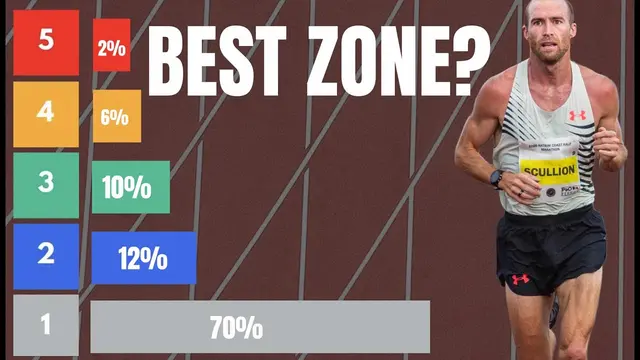
Reviewer As good as this batch gets — credible, specific, and honest about the tradeoffs (Z2 is tiring even though it doesn't feel hard).
Moderator Elite marathoner (sub-2:10) walking through the training zone framework zone by zone — Zone 2 gets real, specific treatment: his HR range (140-155), why it's tiring even though it's 'easy,' and a concrete way to add it in (3x5min progressions, tracked weekly, built up over a month). Zone 1/3+ get covered too since it's a whole-zones video, so it's not exclusively about Z2, but the Z2 section is substantive.

Reviewer The nuance most zone-2 hype videos skip — genuinely useful.
Moderator A credentialed PT/coach directly addresses how zone 2 fits alongside zone 1 in a real training structure — core to using zone 2 correctly, even though a meaningful share of the airtime covers zone 1 specifically.

Reviewer Good practical case for zone 2 — simple, not overly technical.
Moderator The whole video is built around explaining and justifying zone 2 as the bulk of training (80/20), from someone actually applying it in real training.

Reviewer Real-world wisdom from someone who's done the miles.
Moderator A real, experienced runner's take on applying zone 2 versus perceived effort in practice - squarely about how to actually run easy day to day.

Reviewer Corrects the exact mistake most runners make with Zone 2.
Moderator Caption states the actual core Zone 2 concept correctly - it's about how you feel/heart rate, not distance or time - squarely on topic for this sub-skill.

Reviewer Practical and honest — flags the real pitfalls (fake-easy pace, HR monitor accuracy) most zone 2 advice skips.
Moderator Directly about combining MAF/zone 2 training with speed work — the actual formula, the tradeoffs of pure MAF training, and a hybrid approach. Squarely on-topic.

Reviewer Solid, correct advice -- just wish it were tighter.
Moderator Whole video is built around zone 2 -- volume needed to see benefit, how it drifts with fitness and season, why race data beats watch estimates for max HR. Not padding, it stays on the subskill the whole way through.
Reviewer Simple, correct, and easy to apply immediately.
Moderator Ties running form directly to zone 2 - explains why sloppy posture raises heart rate at an easy pace and gives specific fixes.

Reviewer Makes you think about why you're running easy, not just that you should.
Moderator Squarely about zone 2's actual role and limits — why doing more of it doesn't make average runners faster, the injury-risk angle from never loading tendons at race pace, and why elite volume context doesn't transfer to a runner doing 30-40km/week. A direct, substantive take on the sub-skill, just a contrarian one.

Moderator Practical tips for staying in Zone 2 on a long easy run: slow right down, walk when your heart rate spikes, run with a friend at chat pace, avoid the heat, get your sleep. Squarely about executing Zone 2 runs.
Reviewer Real-world tips that work: run slower than feels right, walk when your heart rate spikes, skip the heat, sleep well. The podcast tip is filler, and it assumes you already know your zone.

Reviewer Genuinely makes you think harder about zone 2 — physiology-backed pushback on the 'just run slow' message.
Moderator A direct critical examination of the zone 2 training philosophy itself — comparing MAF, 80/20, polarized, and pyramidal models. Squarely about this sub-skill, just from a contrarian, more advanced angle.
Moderator A field test for finding your own Zone 2: run 30 minutes hard, average heart rate over the last 20 for threshold, then apply percentages to set zones. Compares his lab result, the field test and 220-minus-age. Squarely about setting Zone 2 properly, not about running the sessions.
Reviewer The right way to set Zone 2 without trusting 220-minus-age; his own numbers show how far off the formula can be. You need the percentage table to finish the job, and an all-out 30 minutes isn't for new runners.

Reviewer Practical alternative to chasing a heart rate number you can't hit yet — RPE 3-5, done.
Moderator Directly tackles zone 2 as a concept for beginners — explains why a new runner's zone 2 band is so narrow that any effort spikes them into zone 3/4, and reframes the goal around RPE instead. It's arguing against strict zone 2 prescription rather than teaching you to execute it, but that's still squarely a lesson about what zone 2 running means and how to use it at this stage.
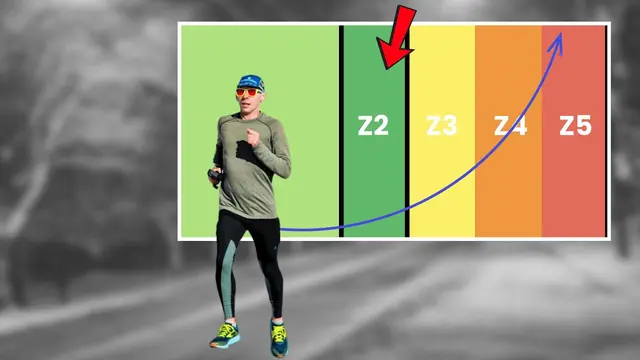
Reviewer Good lesson on the front half, ad for his journal on the back half.
Moderator Core message is 'zone 2 isn't fixed, it moves with fitness/heat/terrain' -- that's exactly the subskill, framed as the mistakes runners make with it.
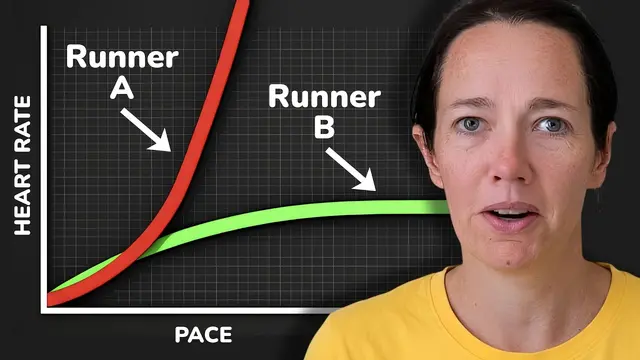
Reviewer Solid diagnostic framework, soft-sells a webinar at the end.
Moderator Entire conversation is diagnosing why zone 2 stalls out for a specific runner -- recovery, intensity, wearable zone accuracy. Squarely about the subskill even though it's framed as a Q&A/interview.

Reviewer Good on the why and who -- just not the how yet.
Moderator This is literally 'part 1 of getting started with zone 2' -- benefits, who should and shouldn't be doing it yet. Dead center of the subskill.
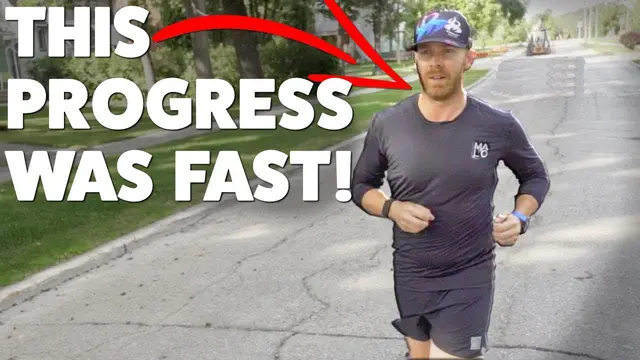
Reviewer Explains 'decoupling' well and shows real before/after numbers — good, if informal, teaching.
Moderator A real, numbers-based case study of zone 2 progress after injury, including the 'decoupling' concept and how he structured his weekly volume. Squarely on-topic, if presented as a personal vlog rather than a lesson.

Reviewer Accurate but shallow - good first exposure, don't expect depth.
Moderator Explains what zone 2 is, why it matters physiologically (aerobic enzymes, mitochondrial density), the common mistake of living in the zone 3-4 gray area, and the 80/20 volume split. All squarely on topic.
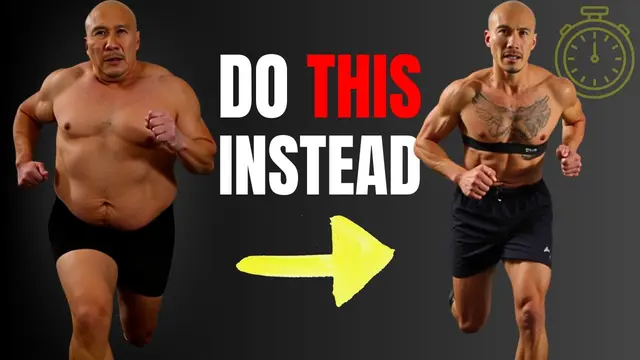
Reviewer Good science buried under a sponsor read — skip ahead past the ad.
Moderator Squarely about zone 2's core physiological mechanism — fat oxidation — with real research citations, framed for an over-40 fat-loss audience.

Moderator Explains what Zone 2 running is (60 to 70% of max heart rate, conversational pace, steady lactate) and how long before it pays off: lower heart rate at the same pace in 2 to 4 weeks, bigger gains over 3 to 6 months. On the sub-skill, framed around expectations rather than how to run the sessions.
Reviewer Good primer: easy conversational pace, heart rate drops at the same speed in a few weeks, real gains take months. Doesn't show you how to find your pace.

Reviewer Good nuggets, buried under the pitch for his webinar.
Moderator Stays on zone 2 as the throughline -- how it feels as fitness improves, the pyramid analogy, timeline for results. It's more personal-story than technique breakdown, but the subskill is the spine of the whole thing.

Moderator Defines Zone 2 as 60 to 70% of max heart rate and shows how to work it out from 220-minus-age with a 30-year-old example, then why it builds your base. Squarely about Zone 2 running and finding the zone.
Reviewer Easy to follow with a worked example, but 220-minus-age is a rough guess and 114 to 133 will be too slow for plenty of fit runners. Use it as a starting point and check it against the talk test.
Reviewer Fair point: new runners chasing a heart-rate number end up walking and quitting. No talk test or run/walk plan to actually apply it, though.
Moderator A contrarian take on Zone 2 for brand-new runners: a few hundred metres can send heart rate past 170, so chasing the number means walking and quitting. About Zone 2 running squarely, from the beginner's side.

Reviewer Solid, concrete checklist for a stubbornly high heart rate — nothing revolutionary but all correct.
Moderator Directly answers 'I'm running slow in Zone 2 but my heart rate won't come down' — sleep, hydration, nutrition timing as the non-training factors that inflate HR. Doesn't explain the zone concept itself, but it's a real troubleshooting follow-on for someone already trying to train in zone 2.
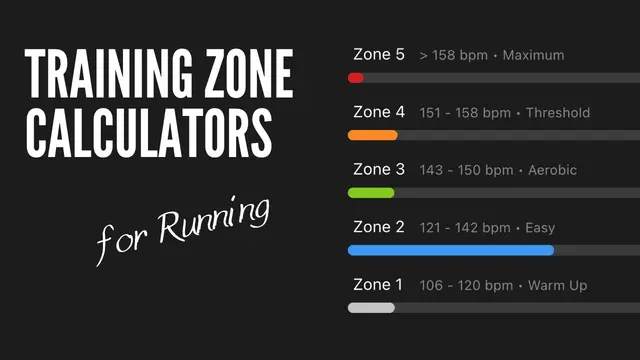
Reviewer Technically excellent testing protocol — worth it for calibrating your Zone 2 ceiling specifically.
Moderator A physiotherapist/running coach's field-test protocol (20-min test for LT2, 40-min test for LT1, 5-min test for VO2max pace) to calibrate personal zones. The LT1 test result sets the ceiling of Zone 2 specifically, which is directly useful, but the video's actual subject is zone calibration methodology across all five zones, not Zone 2 training itself.