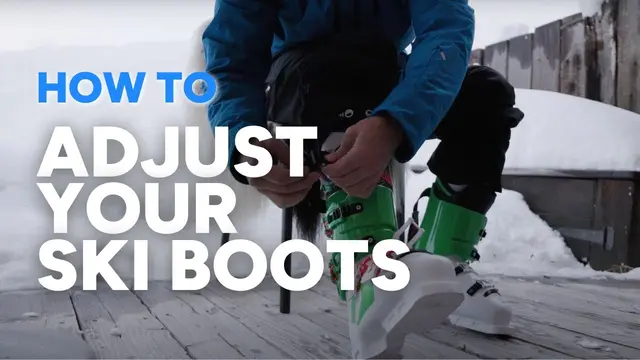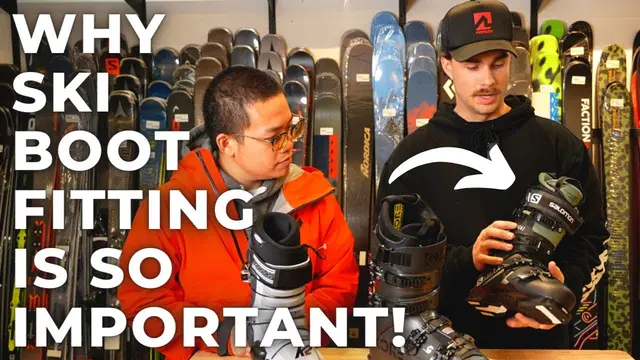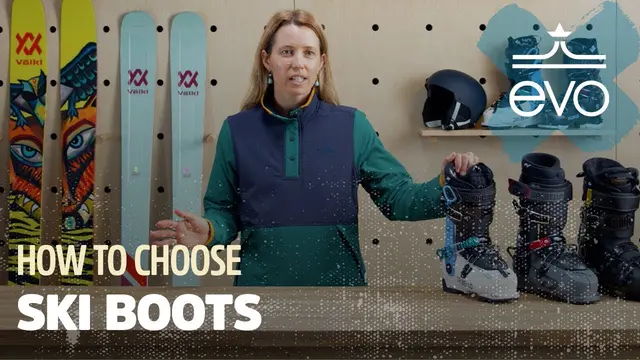
Ski boot fitting

Skiing / Popular

Get size, flex and fit right — the single biggest comfort and control factor.

What coaches agree on

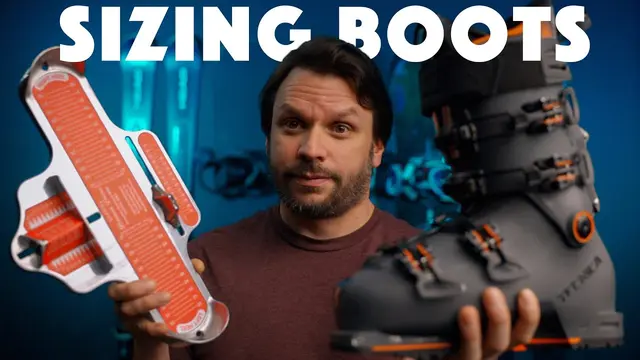
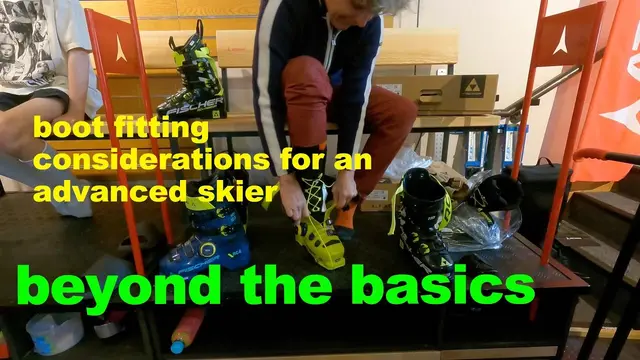
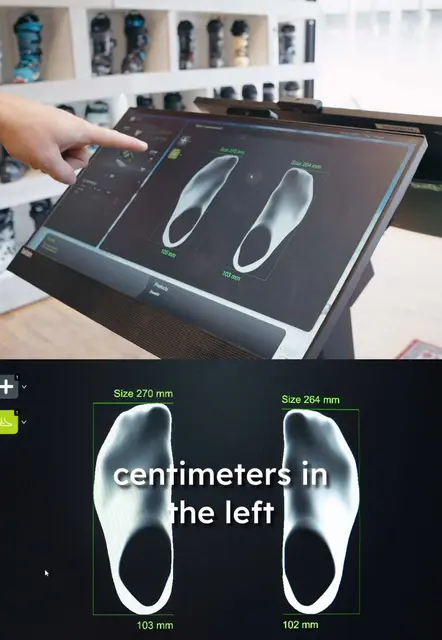
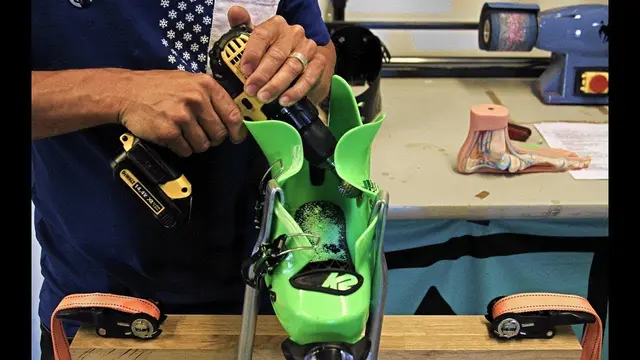
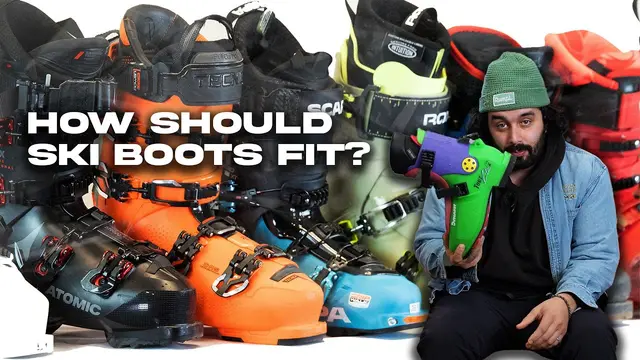
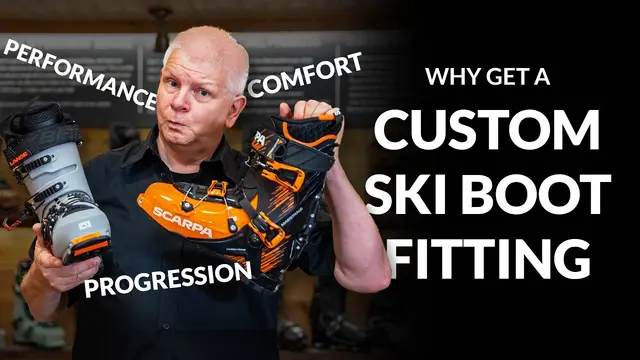
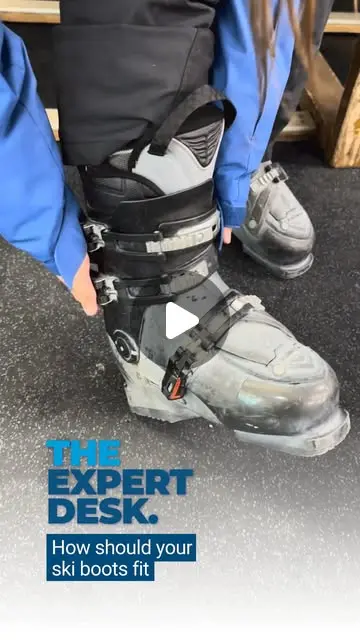
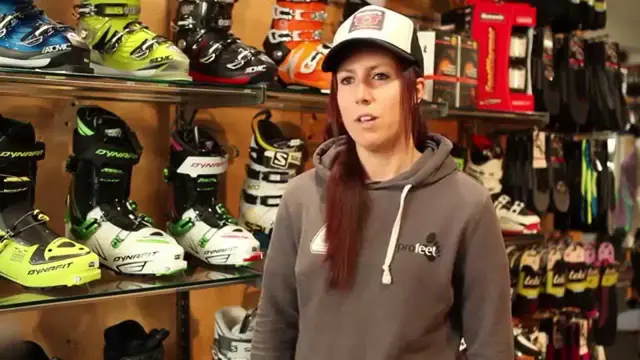
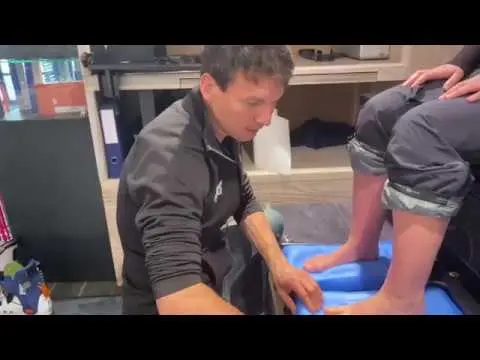
  • Get properly fitted by a specialist boot fitter who measures your feet's length, width, and volume, not just one number, and asks about your skiing history, ability, and goals before recommending a boot.
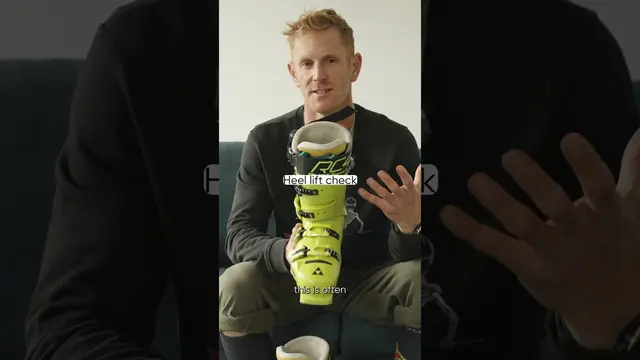
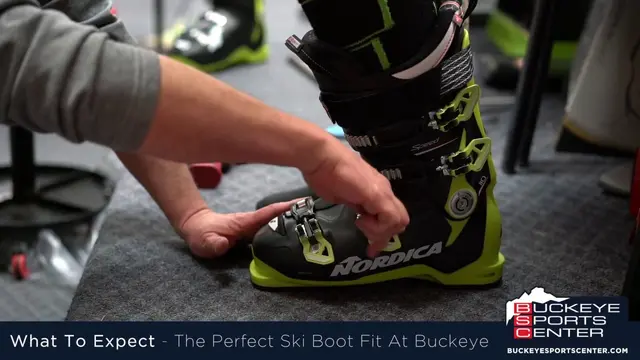
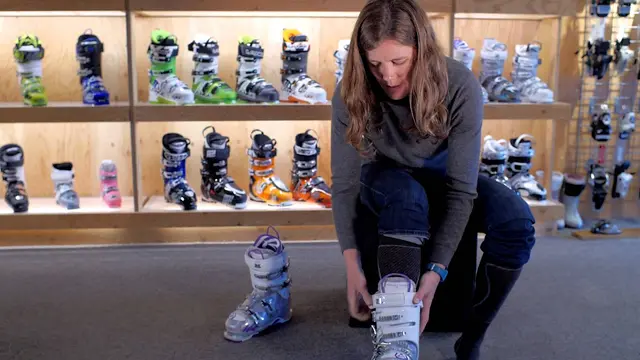
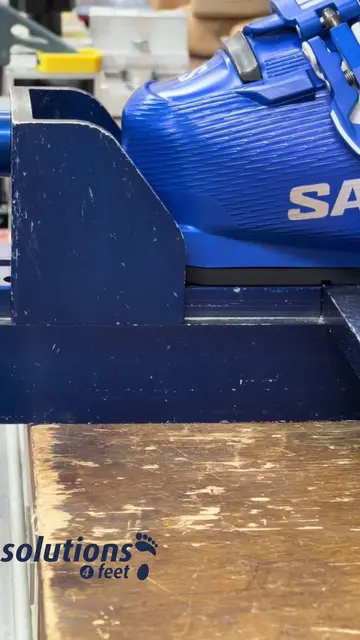
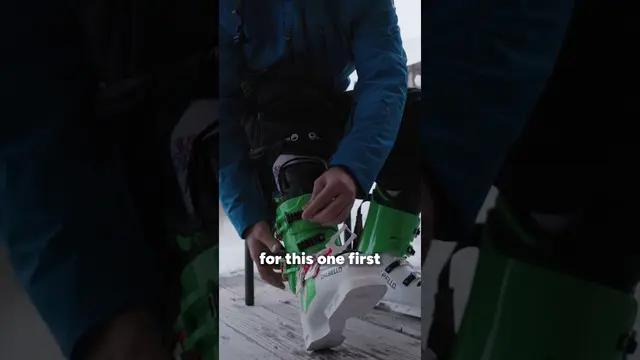
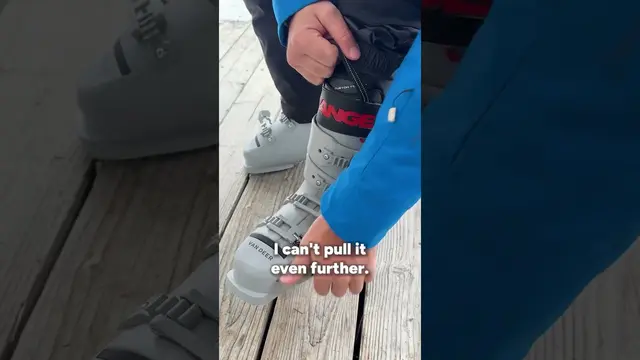
  • A correctly fitted boot holds your toes in light contact with the front and your heel snug at rest, then lets your toes pull back off the front and your heel settle into the pocket as you flex forward into your ski stance.
Show more
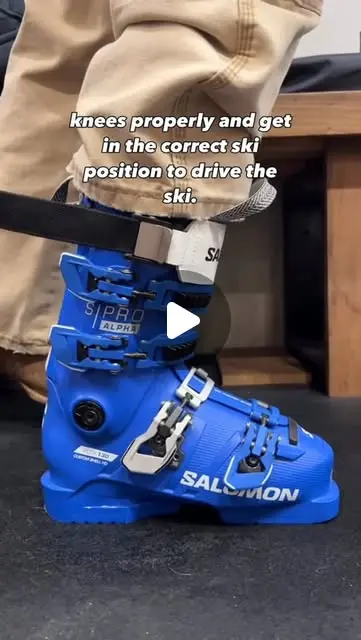
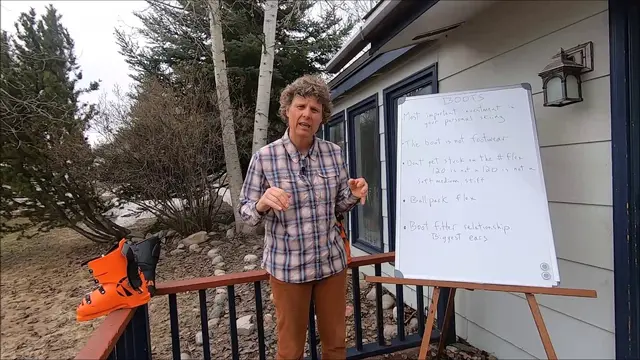
  • Choose boot flex based on your weight, ability level, and how often and aggressively you ski, and treat the printed number as a rough ballpark since flex ratings aren't standardized across brands.
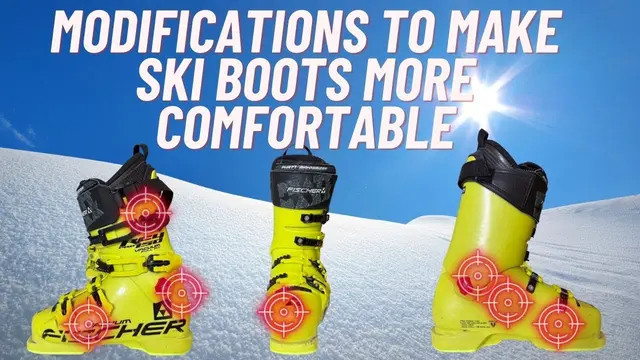
  • Upgrade from the flat stock insole to at least an off-the-shelf arch-support footbed, or ideally a custom-molded one, for real support and control.

Common mistakes

  • Picking a boot because it feels roomy and comfortable in the shop leads to trouble, since a boot that's actually too big feels fine on carpet but causes pain and lost control on snow, while a correctly-sized boot feels snug, even to the point of mild discomfort, at first.
Pro Boot Fitting Tips
Advanced

Pro Boot Fitting Tips

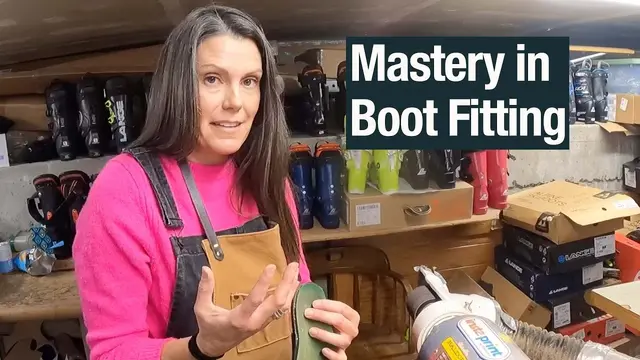
Coach's take: The 'women don't automatically need ramp angle' myth-bust alone is worth the watch.

3.6