How to choose a tennis racket

Tennis / Popular

Head size, weight, balance and string tension.

What coaches agree on

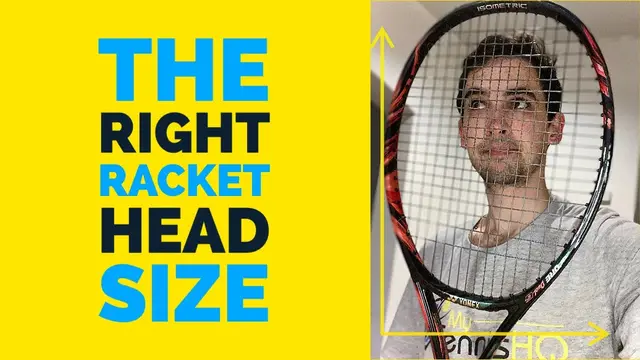
  • A bigger head (100 square inches or more) means a larger sweet spot, more forgiveness, and more built-in power, which suits beginners and less consistent hitters. A smaller head (around 95-98 square inches) trades that forgiveness for the sharper control that comes from consistently hitting the center of the strings, which is why advanced players favor it.
  • Pick the heaviest racket that still lets you complete a full, well-timed swing - the added weight buys you stability and power.
Show more
  • A more open string pattern (like 16x19) grips the ball longer for more spin and power, while a denser pattern (like 18x20) trades some of that pop for sharper control and longer-lasting strings.
  • A head-heavy racket carries extra weight toward the tip, generating power for you off a short, compact swing, while a head-light or even-balanced racket suits a longer, faster stroke and rewards you with more maneuverability and control.

Common mistakes

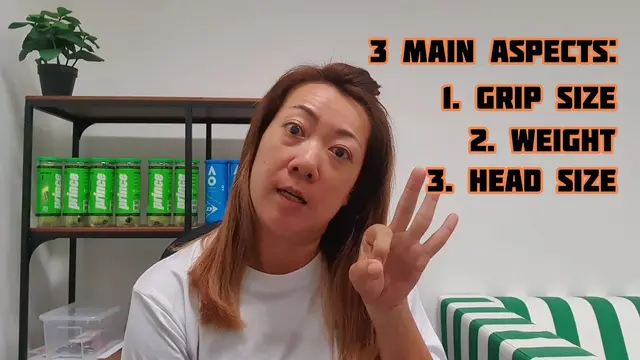
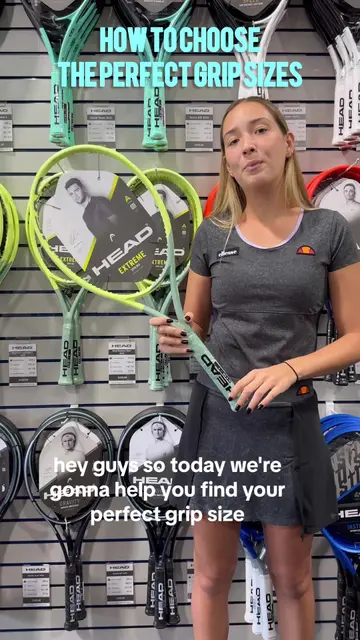
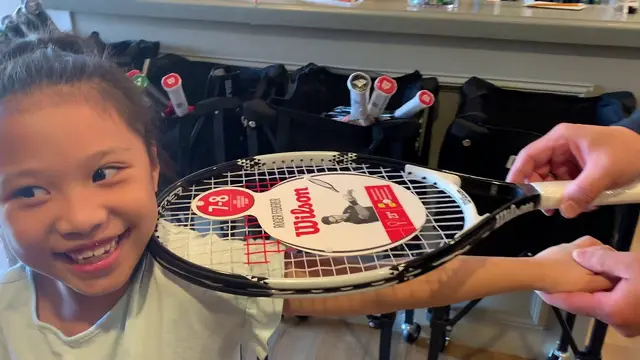
  • Picking a grip size without measuring your hand: too big limits wrist motion and control, too small lets the racket twist on contact, and both raise the risk of wrist and forearm strain.
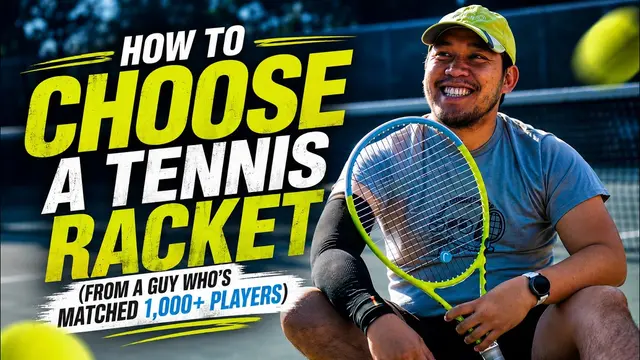
How to choose a Tennis Racket
Beginner

How to choose a Tennis Racket

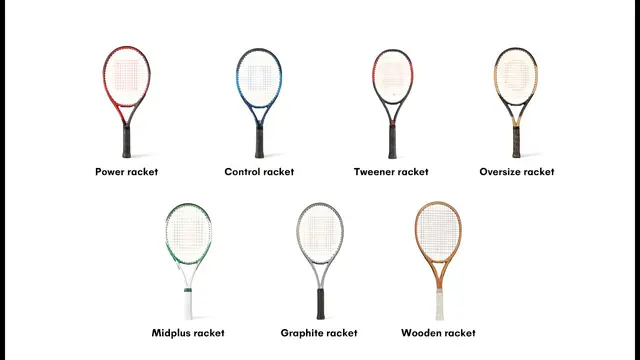
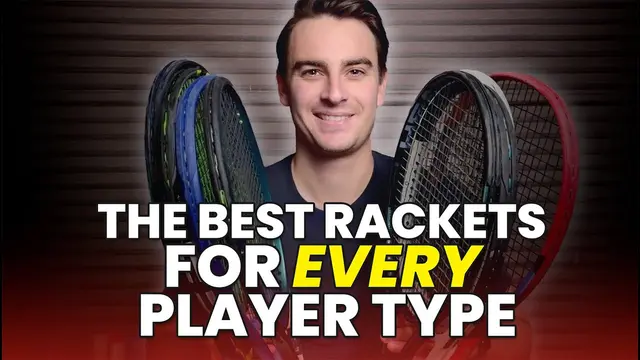
Coach's take: The frame-style taxonomy here is the best of the batch - actually maps racket type to how you play.

3.5