Cleat position

Cycling / Popular

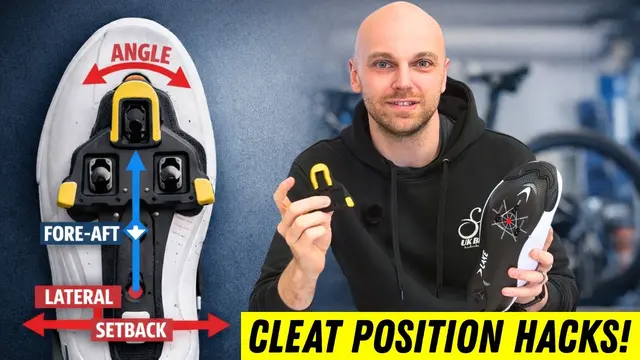
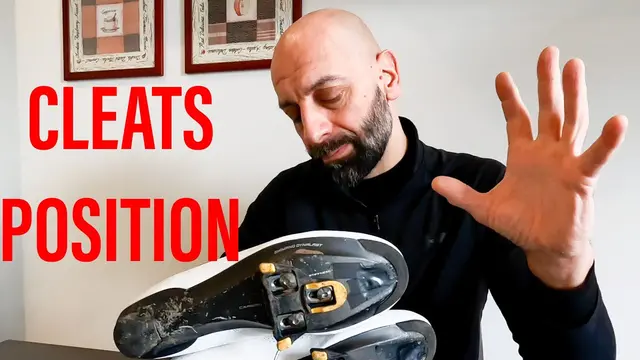
Set fore-aft, lateral and rotational cleat position.

What coaches agree on

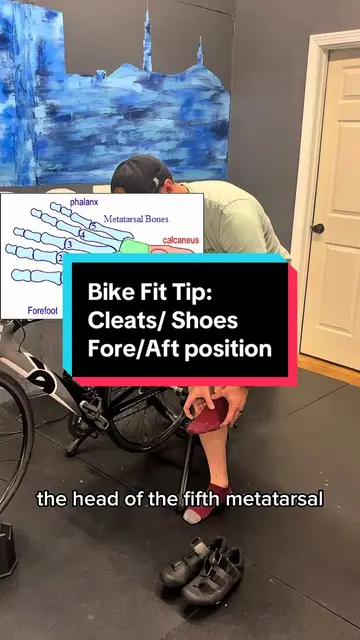
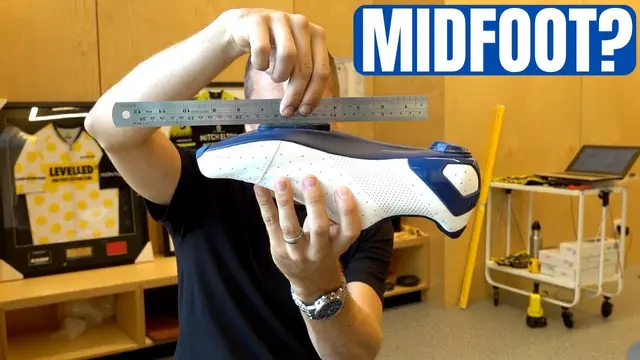
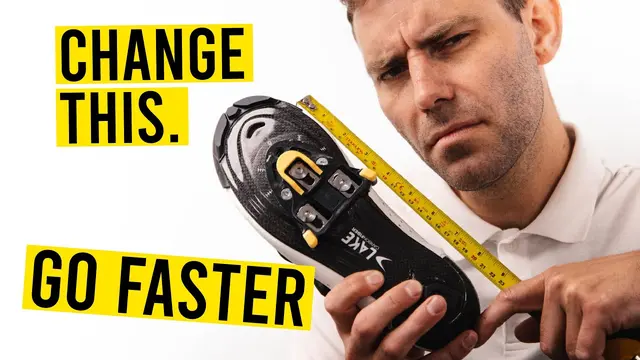
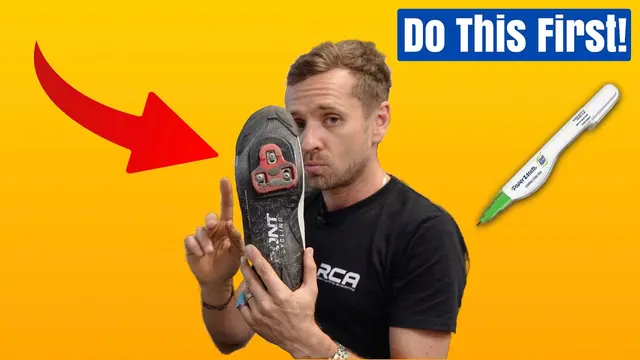
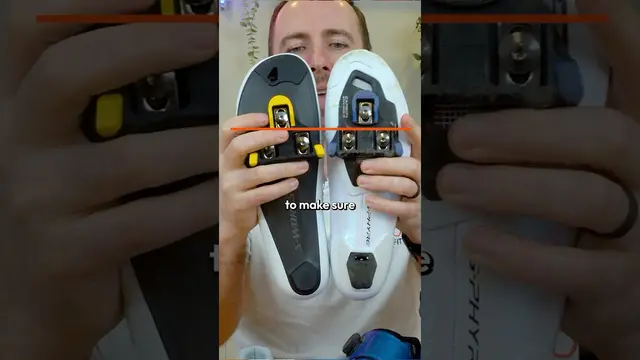
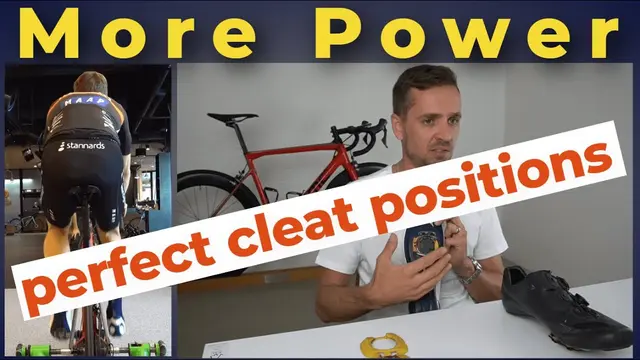
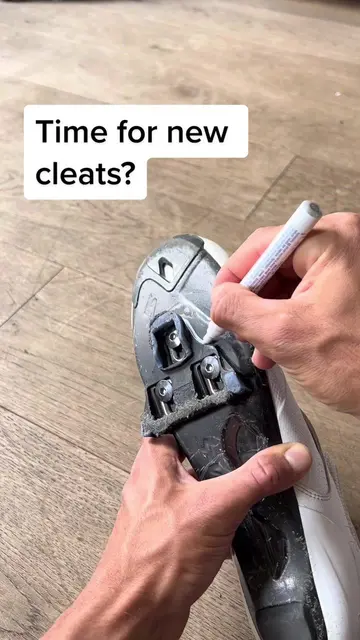
  • Mark your own first and fifth metatarsal heads - the bony bumps at the base of your big toe and little toe - on the shoe, and use that line as your fore-aft reference point.
  • Set the lateral position to match your hip width and knee tracking: moving the cleat toward the inside of the shoe widens your foot stance, and moving it toward the outside narrows it.
Show more
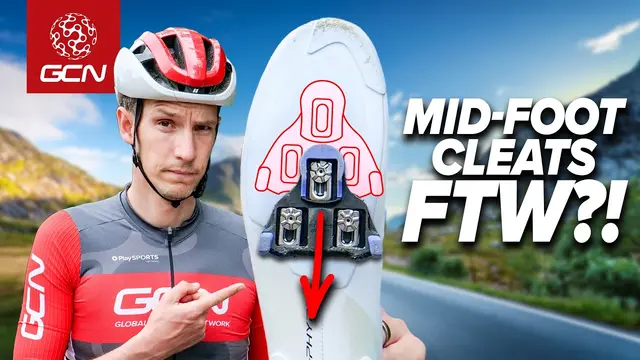
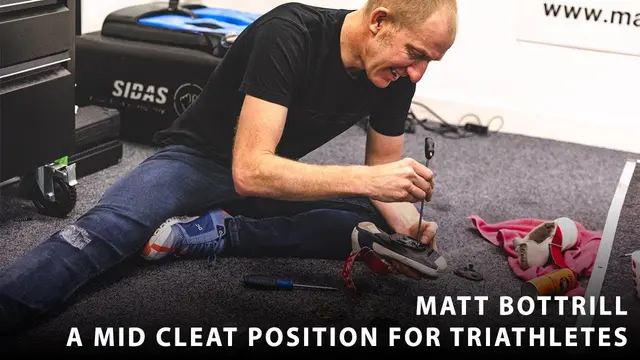
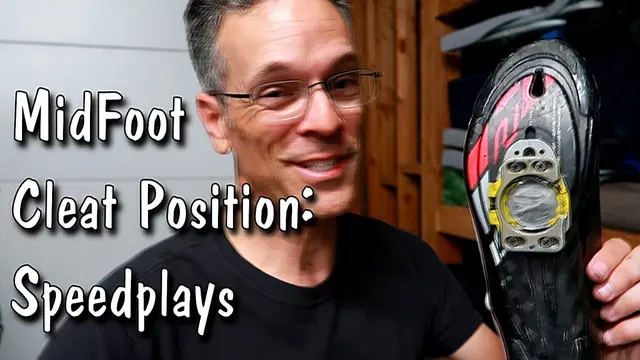
  • Long-course triathletes and time-triallists benefit most from an extreme rearward, midfoot cleat position, since it takes the calf out of the pedal stroke, lowers your position for aerodynamics, and leaves the calves fresher for the run.

Common mistakes

  • Running the cleat too far forward, under the ball of the foot or toes, overloads the calf and Achilles tendon and shows up as toe pain, numbness, hot spots, or excess heel drop.
  • Forcing the cleat's rotational angle straight or to a generic template, instead of matching the rider's own natural, relaxed foot angle, creates stress through the knee and hip.
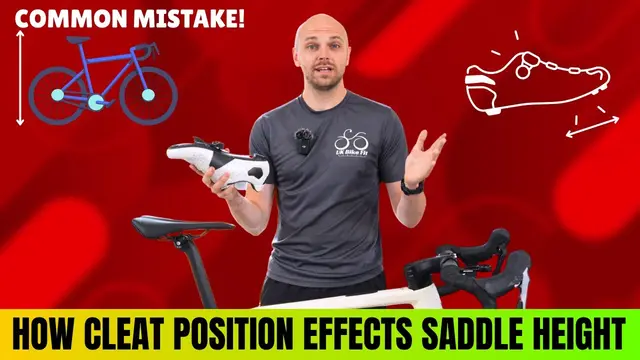
  • Moving the cleat's fore-aft position without re-adjusting saddle height throws off the knee angle the saddle was originally set for.
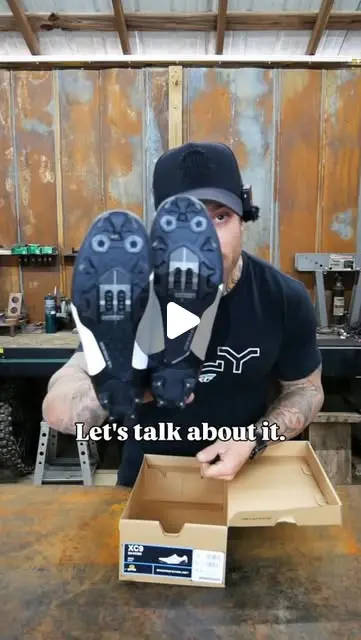
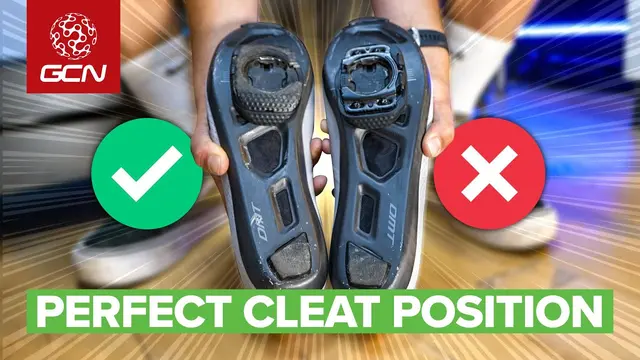
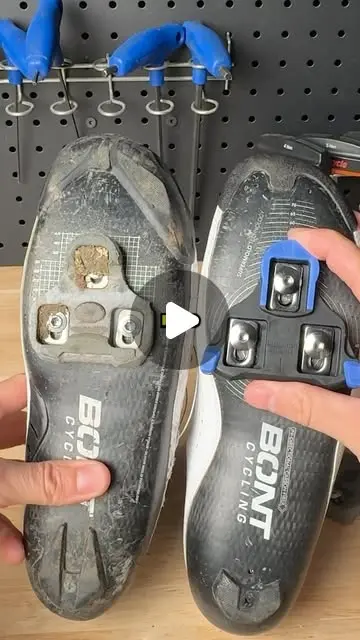
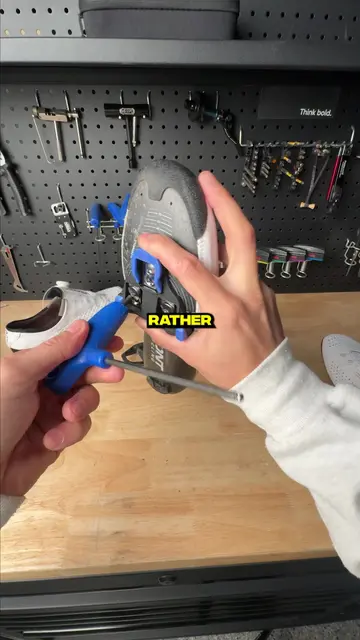
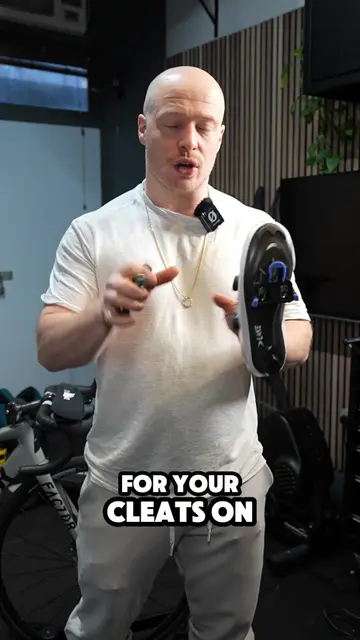
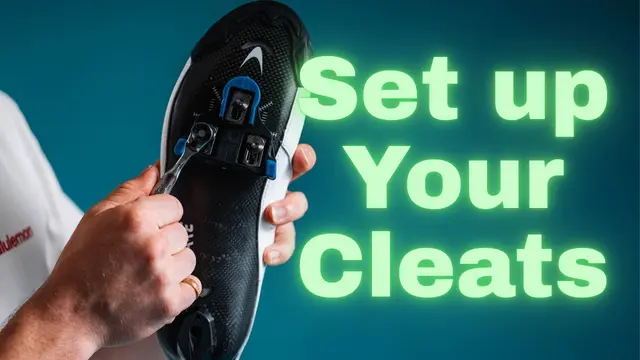
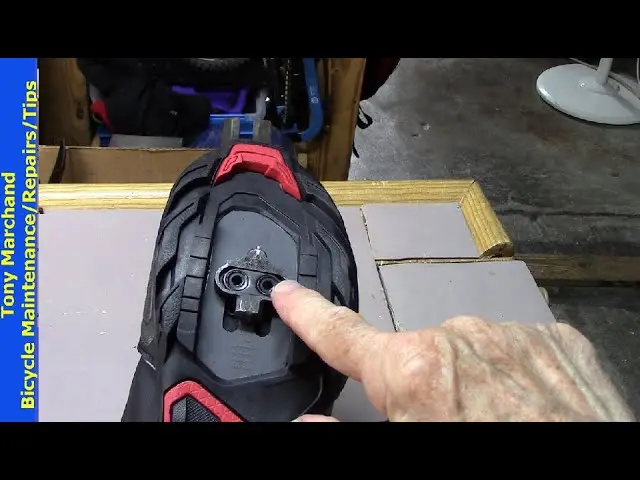
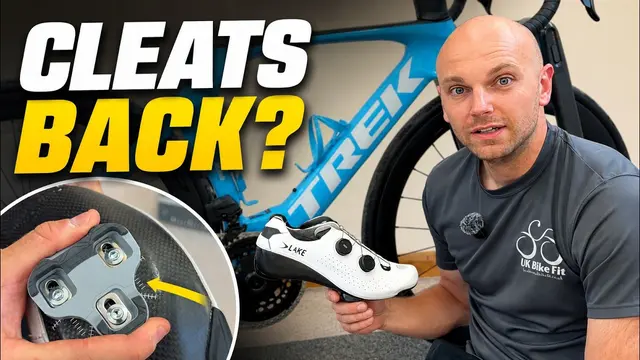
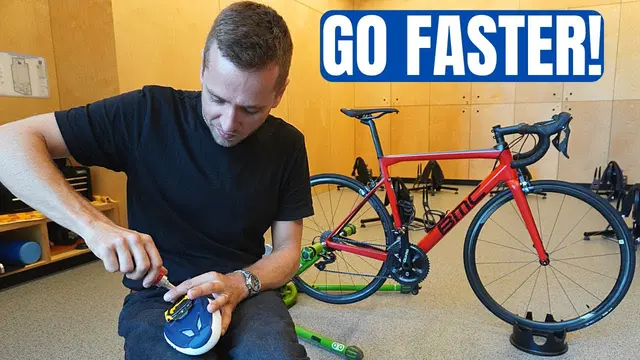
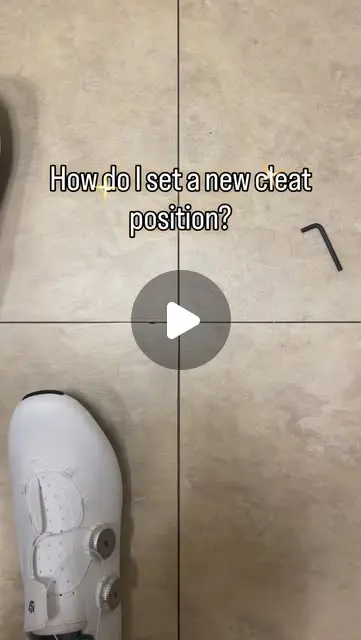
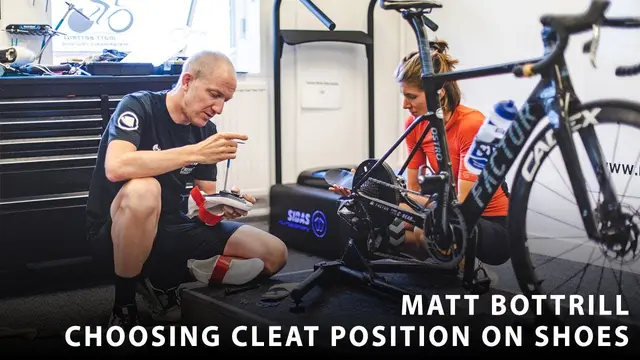
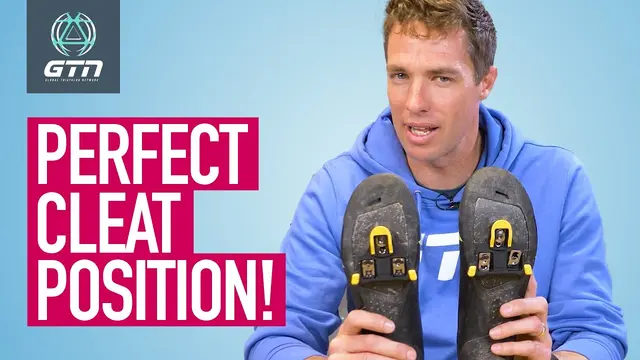
How To Setup New Cleats and Get The Right Position
Beginner

How To Setup New Cleats and Get The Right Position

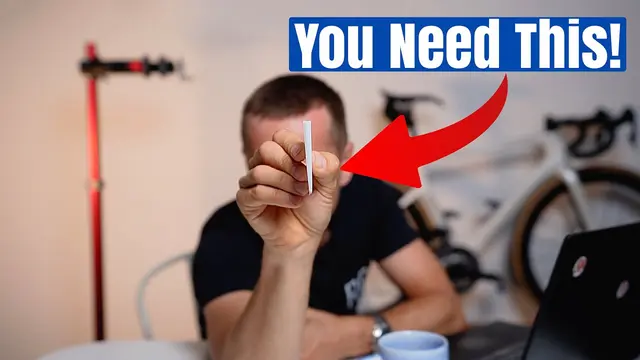
Coach's take: Explains the actual trade-off behind each adjustment instead of just telling you where to put the cleat -- and gives a real starting-point method (masking tape + metatarsal knuckle landmark).

3.8