Beginner
Reviewer The most useful, myth-busting video in this batch.
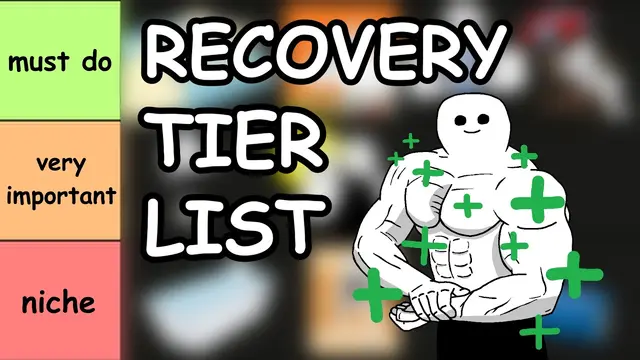
Moderator A direct, comprehensive rundown of recovery methods and how to actually use them.
4.0
Gym (women) · 33 free video tutorials, each tagged by level
Reviewer The most useful, myth-busting video in this batch.
Moderator A direct, comprehensive rundown of recovery methods and how to actually use them.
Reviewer Excellent if you actually deal with cycle-related sleep issues.
Moderator Sleep is the single biggest recovery habit, and this is specifically about how it changes across the female hormonal cycle - about as squarely matched to this category as it gets.
Reviewer Rapid-fire, but every 'why' behind the rating is worth hearing.
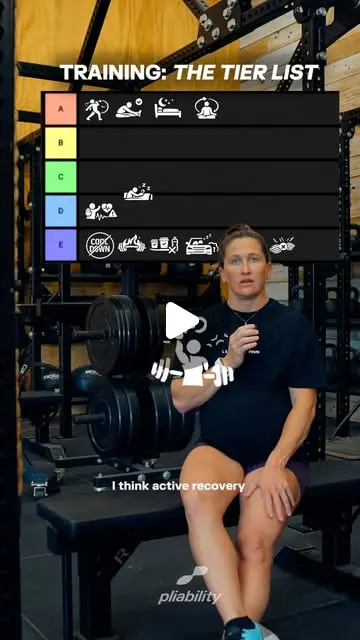
Moderator The entire reel is a rapid A-E rating of specific recovery habits -- cool-down, warm-up, hydration, sleep consistency, doing active recovery properly -- nothing else, from a credible high-level athlete.
Reviewer Short, no fluff, and every point is something you can act on today.
Moderator Wall-to-wall recovery habits for a lifting routine -- rest days, eating enough, protein target, creatine, sleep, stress, alcohol. No digression, exactly the sub-skill.
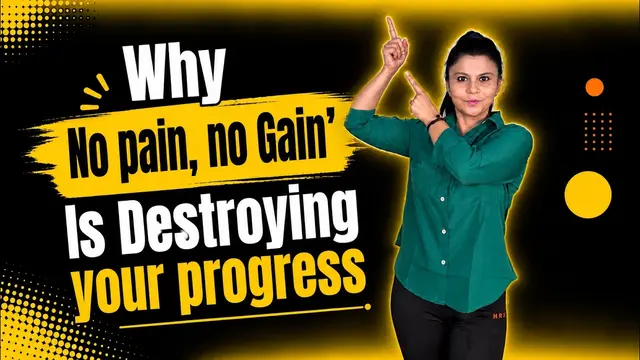
Reviewer Correct, clear, and actually useful — a good beginner recovery primer.
Moderator This is squarely the sub-skill: DOMS explained correctly, the myth that more soreness means a better workout debunked, and five concrete recovery habits — sleep, protein, water, stretching, active rest days. Exactly what 'recovery habits' should mean.
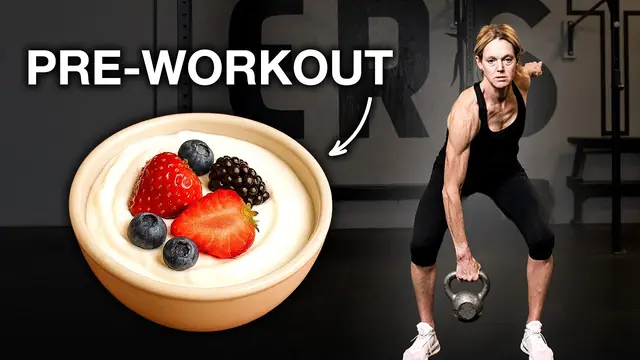
Reviewer Actually tells you what to eat, not just 'eat protein.'
Moderator Pre and post workout fueling is a core recovery habit, and Sims explicitly flags the hormonal relevance for women, so it lands well inside this category.

Reviewer The women-specific fueling point is the real value here.
Moderator Nutrition timing for recovery, explicitly comparing male and female needs and specifically warning about lean-mass loss in women from delayed fueling.
Reviewer Concrete numbers you can use tonight.
Moderator Sleep, hydration, and nutrient timing are exactly the pillars of a recovery routine, even though the framing is football rather than this audience.
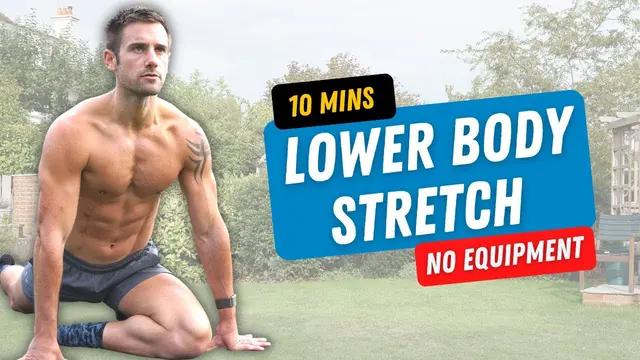
Reviewer Good one to actually put on after training.
Moderator A full guided stretch routine explicitly framed around workout recovery and flexibility.

Reviewer Explains WHY recovery matters better than most.
Moderator Explains the core mechanism of recovery (stress, fatigue, adaptation, supercompensation) that every other recovery habit hangs off of.

Reviewer Short, accurate, and explains the real mechanism -- well done.
Moderator Squarely about recovery habits -- explains the actual mechanism (micro-tears, protein rebuilding muscle, sleep triggering growth) rather than just asserting 'eat protein, sleep well.'
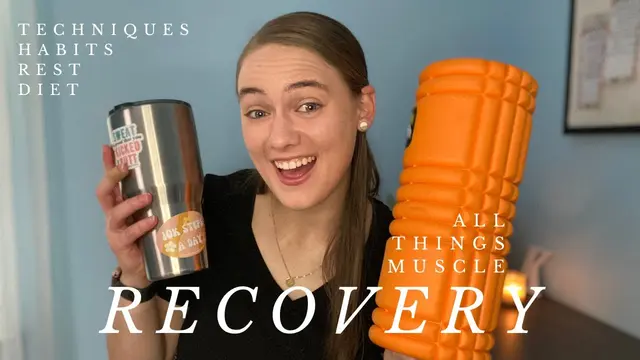
Reviewer Genuinely useful specifics on protein and stretching, just a bit unpolished delivery.
Moderator Squarely about recovery habits -- walks through diet (protein/hydration), stretching, foam rolling, and massage, all framed as post-workout recovery. Exactly the sub-skill, no digression.
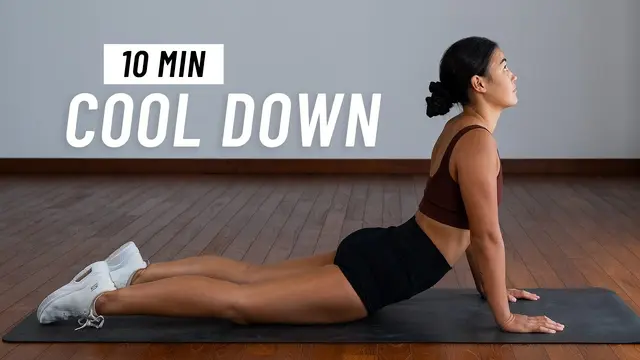
Reviewer Good one to actually do, not just watch.
Moderator A full guided post-workout stretch routine - a textbook recovery habit in practice.
Reviewer One of the more evidence-backed recovery tips you will find.
Moderator Directly about how to close out a training session to maximize recovery - squarely a recovery habit, though nothing here is women-specific.
Reviewer Practical, specific, and doesn't shame you -- good coaching.
Moderator Squarely about behavior-change habits for binge-eating recovery -- small steps, celebrating wins, flexible-dieting rule-bending. Clearest match in the whole batch for 'recovery habits.'

Reviewer Convincing on why, light on how so far.
Moderator Sleep's role in pain, injury and performance recovery is squarely a recovery-habit topic, even though this excerpt is mostly the research case for why it matters.

Reviewer Short but backed by real research -- genuinely useful.
Moderator Directly on-topic for the food-relationship/recovery cluster -- cites a real co-authored study linking self-compassion to intuitive eating, ties it to reduced binge behaviors and body image. Squarely about recovering a healthy relationship with food.
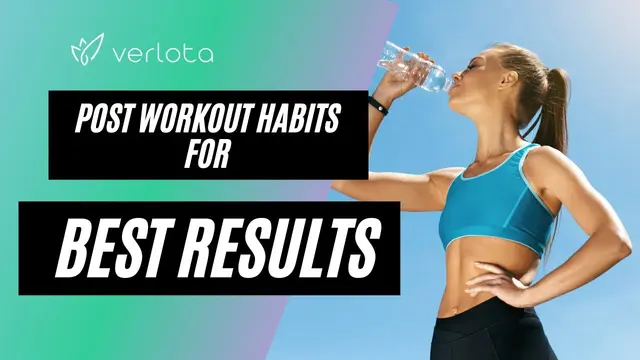
Reviewer Solid basics, if a little generic in the delivery.
Moderator Post-workout shower, supplementation, and hydration are core recovery habits and make up the entire video. Not explicitly targeted at women, but the recovery guidance itself is squarely on the sub-skill.
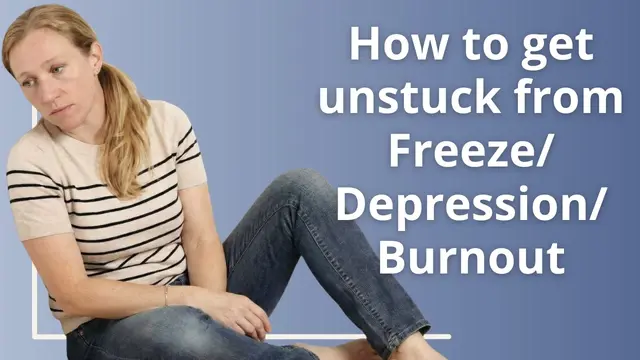
Reviewer Well explained and actually actionable if you're in a low place -- worth the watch.
Moderator Nervous-system/trauma-recovery content, not workout recovery -- no mention of training, muscles, or gym context anywhere. Fits the 'recovery habits' theme loosely as psychological/burnout recovery, which is the same lane as the eating-behavior videos in this batch, but it never ties back to a training life at all.
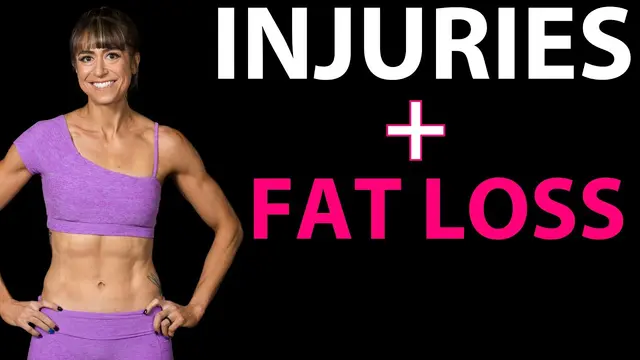
Reviewer Straightforward, correct advice on protecting recovery while hurt.
Moderator This one actually centers on recovery: reframing injury time as a chance to "dial in your rest and recovery," protecting recovery by not slashing calories too low, and using protein/BCAAs specifically to support the recovery process.
Reviewer Nuanced take -- doesn't dogpile on calorie counting, just tells you who it's for.
Moderator About whether to count calories -- a core recovery-habits question for anyone trying to build a sustainable, non-obsessive relationship with food rather than white-knuckling numbers.

Reviewer Small tricks that actually solve the 'too full for protein' problem.
Moderator Protein intake is one of the core recovery habits seen across this whole batch, and this podcast clip is squarely about hitting protein targets day to day -- relevant even though the title says 'protein' rather than 'recovery.'
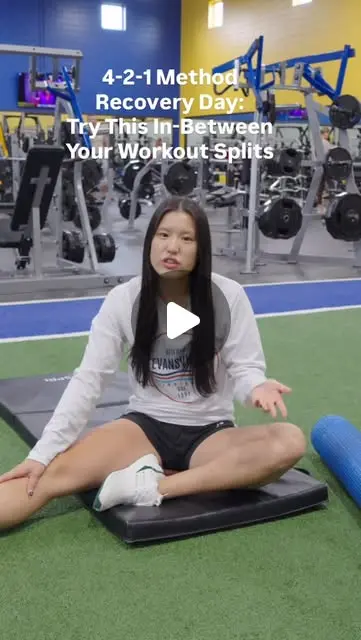
Moderator Talk about the recovery day inside the 4-2-1 method: rest between sessions and keep it light - stretching, mobility, yoga, walking - to ease soreness before the next week of training. Directly about recovery habits.
Reviewer Sensible active-recovery reminder (stretching, mobility, walking) but too short to give you a routine.

Reviewer Solid, accurate recovery tips as far as I can see.
Moderator Caption is squarely about recovery - post-workout protein timing window and active recovery on non-training days. No transcript, but the description itself is specifically recovery-focused, which is exactly this skill.

Reviewer Right idea, no actual how-to.
Moderator The point, fix your lifestyle fundamentals before chasing gadgets, is a real and relevant recovery-habits message.
Moderator Ten sleep habits laid out as a ladder: make sleep a priority, fixed bedtime, wind-down routine, eating early, no alcohol or caffeine, dimming evening light. Sleep is the backbone of recovery, so it's on target, although it's pitched at general health rather than lifters.
Reviewer Practical sleep checklist worth following; ignore the extreme personal rules like an 11 a.m. last meal.
Reviewer Reasonable framing and a short checklist, but thin on specifics and it ends on a plug for their course.
Moderator An ISSA content developer makes the case for treating rest and recovery as a core ingredient next to exercise and nutrition, with a short checklist in the caption: rehydrate after training, then refuel with a balanced meal or snack that has protein. Squarely about recovery, at a general level.
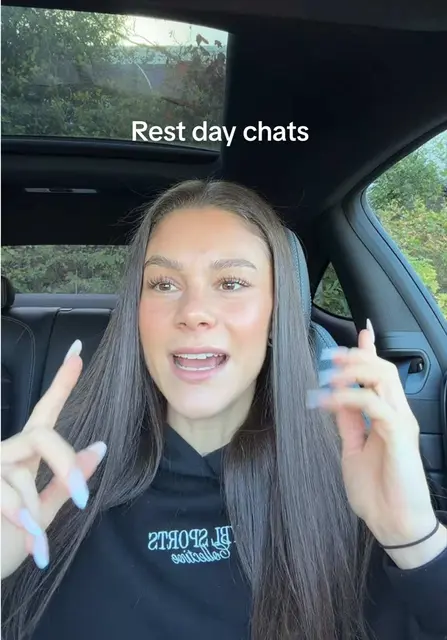
Moderator A rest-day vlog: why she used to hate rest days, why they're when you adapt and repair, and what a good one looks like - slow morning, easy walk, proper meal, no pressure. The caption adds easy walking or cycling and gentle mobility. Right on recovery habits, told as a day in the life.
Reviewer A good reframe if you hate rest days, but it's personal and light on specifics you can copy.
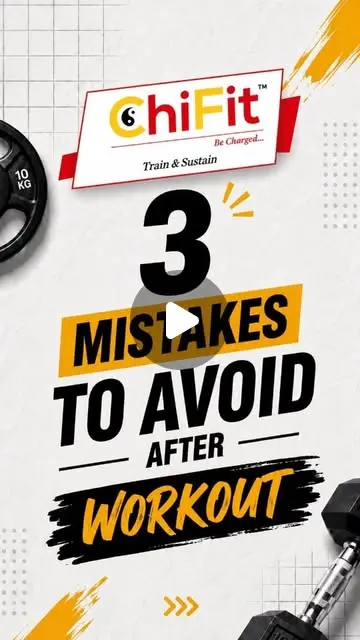
Reviewer Quick, easy post-workout checklist; the advice is basic and leaves out sleep and rest days.
Moderator Post-workout habits: refuel with protein, carbs, fluids and electrolytes, then avoid three mistakes - staying in sweaty clothes, eating junk as a 'reward', and sitting around for the rest of the day. Squarely on recovery, though it skips sleep and rest days.

Moderator Interview with Dr. Stacy Sims. Opens on ApoE and baseline blood markers, then spends a solid stretch on sleep: what wearables can and cannot tell you about sleep stages, why you need more restorative sleep during hard training or stressful periods, when months of poor sleep call for real intervention, and basic sleep hygiene (cool room, no screens, dim light before bed, earplugs). It then turns to ranking sleep, training and nutrition. Sleep is the biggest recovery habit, so a good chunk is on point, but it is a wide health-span chat rather than a recovery lesson.
Reviewer Real, usable sleep advice from a credible physiologist, though you sit through a long interview to get it.

Reviewer Correct claim as far as I can see, but recovery is only part of a broader video.
Moderator No transcript, but the description explicitly covers recovery (carbs fueling recovery/performance) alongside lifting and nutrition tips -- recovery is clearly one of the named topics, not just a keyword.
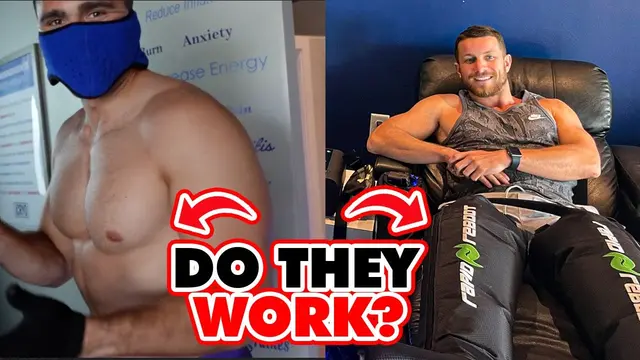
Reviewer Fun to watch, barely anything to apply.
Moderator Explicitly a comparative review of recovery modalities - cryotherapy, cold plunge, compression, infrared sauna - with verdicts on each, so it is squarely on-topic.
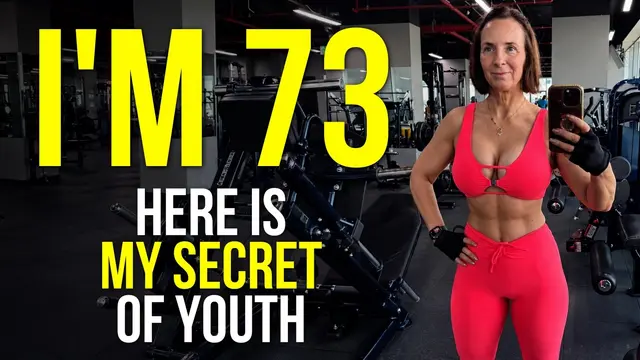
Reviewer Inspiring, but thin on actual technique.
Moderator Rest between sessions and sleep quality are covered as part of a broader lifestyle profile, alongside training habits that are not about recovery at all.