Avalanche safety

Snowboarding / Popular

Recognise avalanche terrain and know the basics of rescue.

What coaches agree on

  • Most avalanches release on slopes steeper than about 30 degrees, so always read the angle of the terrain you're on and anything hanging above you.
  • Treat recent avalanche activity nearby, or any cracking and whumpfing collapse underfoot, as the clearest signs the snowpack is unstable today.
Show more
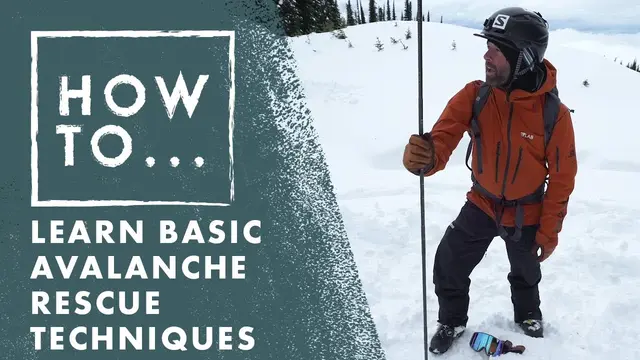
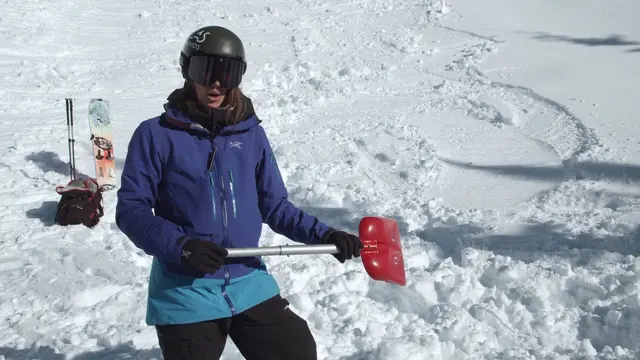
  • Carry a transceiver, probe, and shovel every time you go out, and practice using all three together before you need them for real.
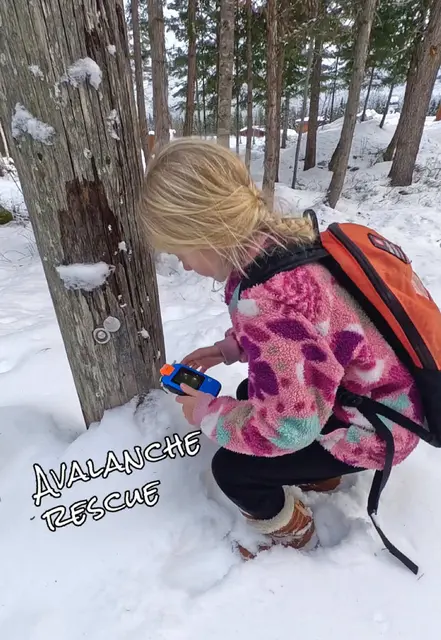
  • If a partner goes missing, run a zigzag pattern to pick up the signal fast, then slow down, get low, and keep the beacon flat as the number counts down to zero.

Common mistakes

  • Getting so excited about fresh snow, right after a storm clears or early in the season, that you drop into terrain before it's had time to stabilize.
  • Assuming a slope must be safe because you can see other tracks on it, or because it sits just past a resort boundary; those skiers may simply have been lucky.
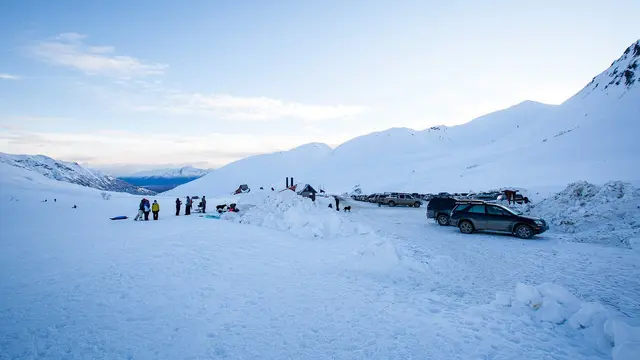
Tips on avalanche safety in Alaska
Beginner

Tips on avalanche safety in Alaska

Coach's take: Excellent — real avalanche-center framework (the 5 Gets) plus the actual red flags to watch for. This is the real curriculum, not just tips.

3.8
MEC: Avalanche safety essentials
Beginner

MEC: Avalanche safety essentials

Coach's take: Specific, practical gear advice (probe length, metal shovels, transceiver habits) — good essentials rundown, appropriately humble about needing real training too.

3.4
Avalanche Safety Test
Advanced

Avalanche Safety Test

Coach's take: Shows the real test, but assumes you already know what you're looking at.

2.5