Beginner
Reviewer Complete, numbers-driven stance guide — excellent reference.
Moderator Same ground as the strongest video in this batch — stance width and binding angle, defined from scratch, nothing else discussed.
3.9
40 free videos on technique, drills and tips, each tagged by level
Reviewer Complete, numbers-driven stance guide — excellent reference.
Moderator Same ground as the strongest video in this batch — stance width and binding angle, defined from scratch, nothing else discussed.
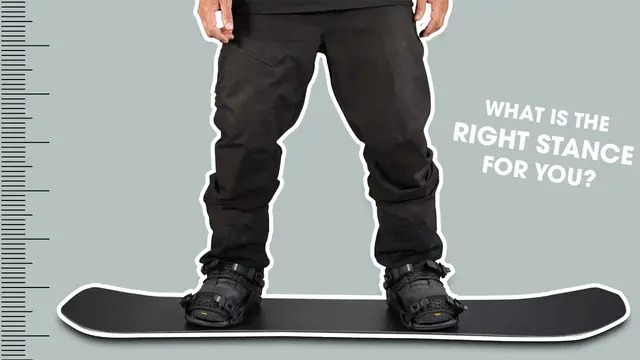
Reviewer The clearest, most actionable stance guide in this batch.
Moderator Textbook on both halves of the sub-skill — stance width AND binding angles — with nothing else in the video.
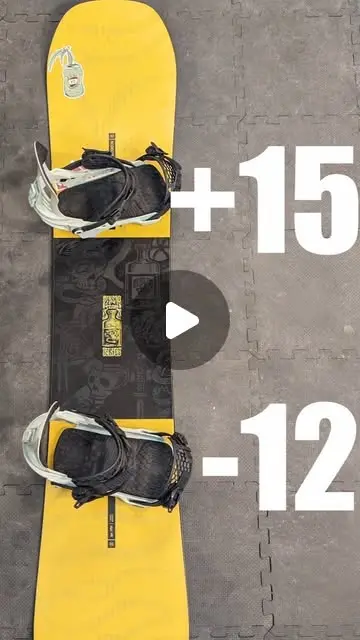
Reviewer Rare in this space: explains the tradeoffs of his stance instead of just selling it as the best one.
Moderator Squarely binding angles: explains the degree-increment notation from scratch, then walks through his own setup and the biomechanical reasoning behind it.
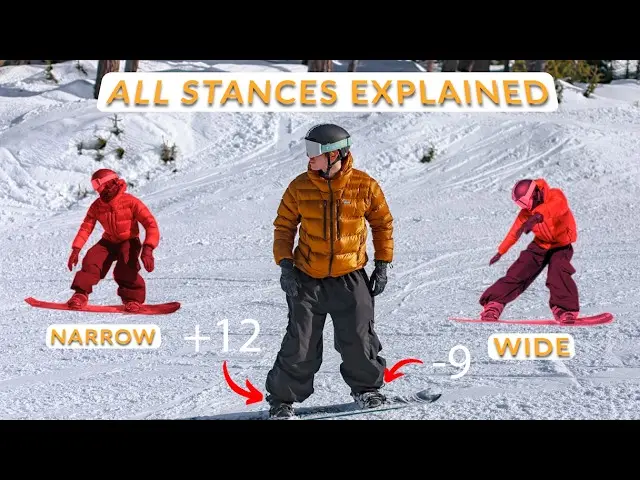
Reviewer Excellent — explains the why behind every stance choice, not just the what. Watch this one.
Moderator Thorough, squarely on-topic breakdown of stance extremes — duck, wide, and narrow — and exactly what each does and doesn't help with. This is a complete treatment of the subskill.
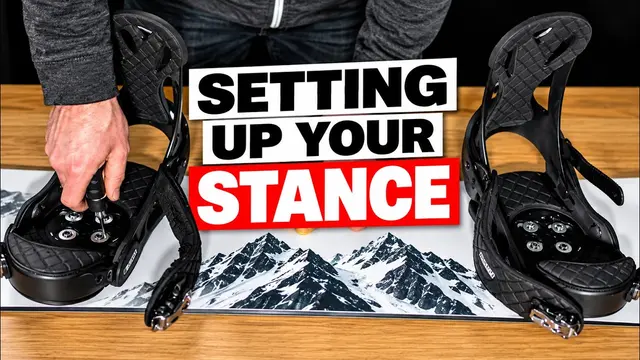
Reviewer Clean, specific, and genuinely useful — even includes a fix for chattery heel turns.
Moderator Textbook coverage of the exact subskill — width, binding angles, AND highback angle, all three components in one tight, clear video.
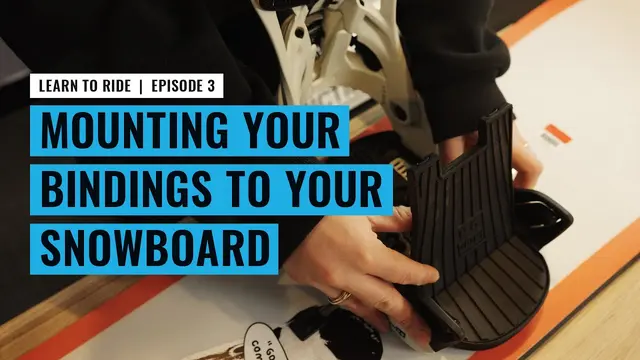
Reviewer Best beginner setup video in the batch — shows you exactly how it's done, not just what to do.
Moderator Entire video is setting up a first-time student's stance width and binding angles from scratch — regular vs goofy, reference width, duck stance angles, actually turning the discs on camera. Nothing else in it.
Reviewer Excellent - ties the angle choice to what your body actually needs to do in each terrain.
Moderator Entirely about why and how to change binding angles between carving and powder - squarely on-topic.
Reviewer Explains the biomechanics behind the angle choice, not just a number to copy.
Moderator Squarely stance angles and width, specialized for ground tricking/freestyle, with the reasoning for why that use case wants different numbers than all-mountain riding.
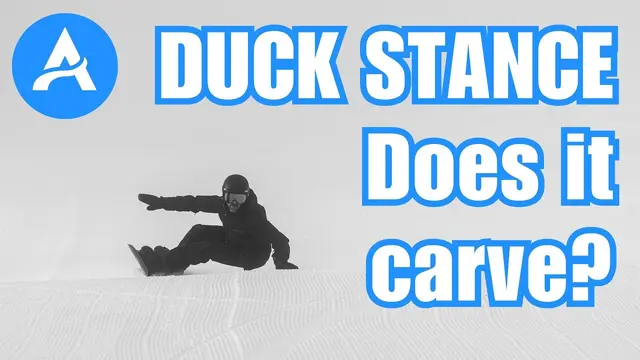
Reviewer Actually proves with angle math why the 'duck stance is more natural' line doesn't hold up.
Moderator Entirely about binding angle choice — specifically interrogating why symmetric duck stance is the default beginner advice — squarely the sub-skill.
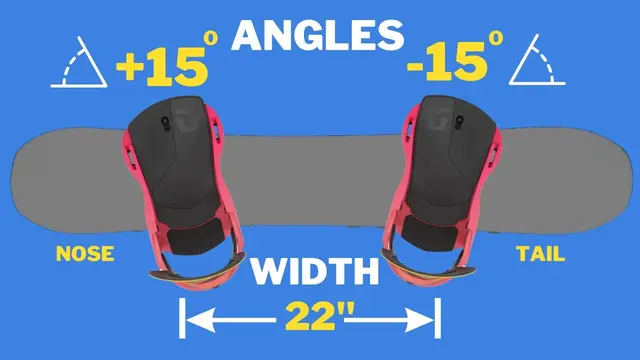
Reviewer This is the one I'd send a student to. Clear, accurate, genuinely useful numbers.
Moderator Full, structured treatment of both width (three measurement methods) and angle (degree system, positive/negative convention, style-specific recommendations). This is the sub-skill, comprehensively.
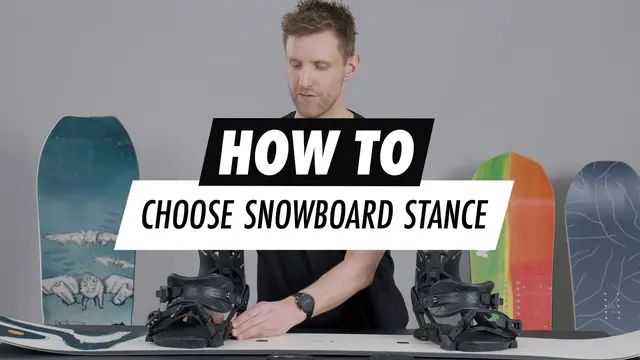
Reviewer Clear, practical, and it actually tells first-timers what numbers to start with.
Moderator Covers stance width and binding angles from the ground up - squarely on-topic.
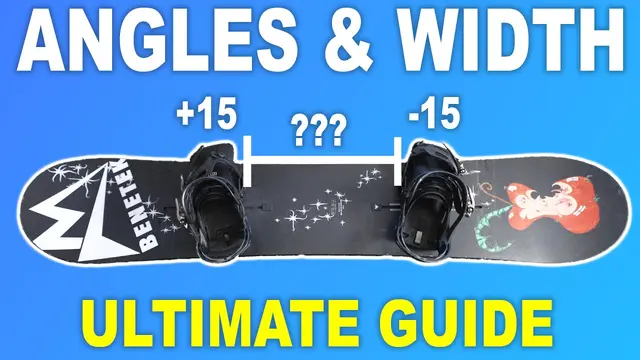
Reviewer Best all-around stance breakdown here - numbers plus the reasoning behind them.
Moderator Directly and entirely about stance and binding angle choices across riding styles - squarely on-topic.
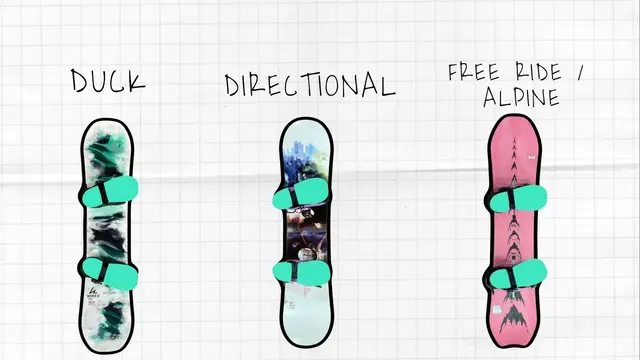
Reviewer Clear, practical shop-counter-quality explanation.
Moderator Covers both stance width (knee tracking, wide vs narrow tradeoffs) and binding angle configurations (duck, directional, freeride/alpine) with rationale for each. Entirely on topic.
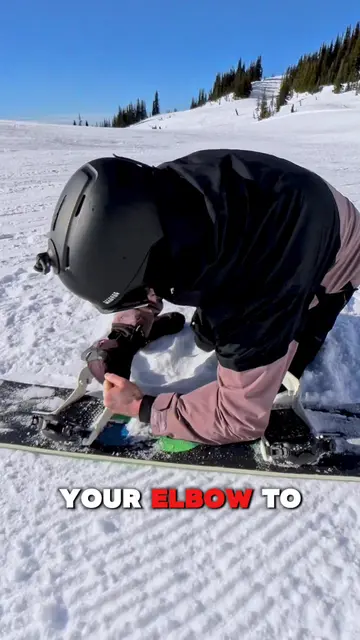
Reviewer Specific numbers plus the reason they help your first turns. Good beginner content.
Moderator Squarely beginner setup: binding width, front/back angles, and binding setback position, with an explicit first-timer framing.
Reviewer Actually explains the tradeoff instead of just telling you to measure your shoulders like everyone else does.
Moderator Straight to the point on stance width — the actual sub-skill — with a stability-vs-mobility framework instead of a single magic number.
Reviewer Explains the actual joint-by-joint tradeoff of going double positive instead of just saying 'try it and see.'
Moderator Entirely about how binding angle choice (specifically going double positive) changes your steering mechanics — squarely the sub-skill, just at the advanced end of it.
Reviewer Great practical method — the jump-and-tape trick for finding your stance is genuinely useful, not just theory.
Moderator Comprehensive, squarely on-topic beginner setup guide — covers finding your natural width AND angle before you even hit the mountain, then binding-specific adjustments (toe strap, forward lean). Exactly the subskill.
Reviewer Real technical insight, not just opinion — explains the mechanism, not just 'try it and see.'
Moderator This is a focused deep-dive on exactly how stance width and binding angle interact (heel position doesn't move the way you'd expect when you add angle) — nothing else covered.
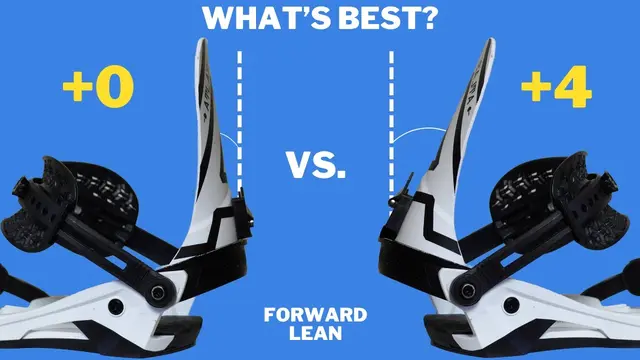
Reviewer Advanced fine-tuning most riders skip — genuinely useful.
Moderator Binding setup end to end — forward lean, boot centering on the footbed, strap position, highback rotation. Angles aren't the only focus but it's squarely stance/binding setup.
Reviewer The jump-and-mark method is a nice, practical alternative to generic width formulas.
Moderator Squarely stance width: board flex, body mechanics, and canting as inputs, plus a concrete self-assessment method.
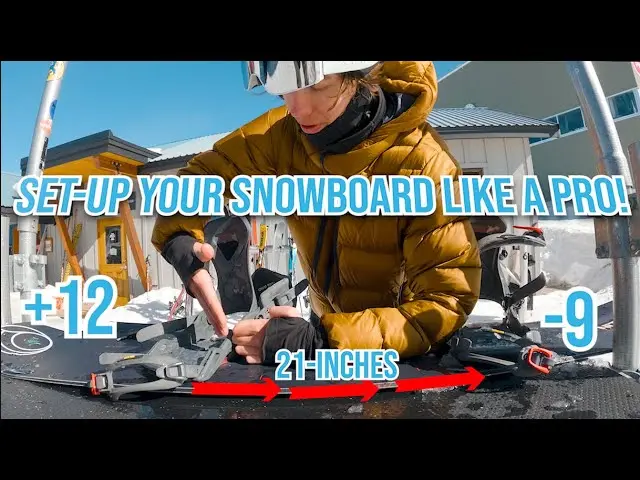
Reviewer Properly thorough — explains the reasoning AND the actual hands-on mounting, not just angle numbers.
Moderator Comprehensive and squarely on-topic — dominant-foot test, stack position principle, width trade-offs, angle rationale, and the actual physical mounting process. Covers essentially the whole subskill.
Reviewer Solid, credible setup advice; part of the transcript garbled out so judged on what's readable.
Moderator The usable portion of this shop walkthrough is entirely on-topic: multiple methods to find stance width, using the board's built-in reference stance, and a correct explanation of the 3-degree angle increment system.
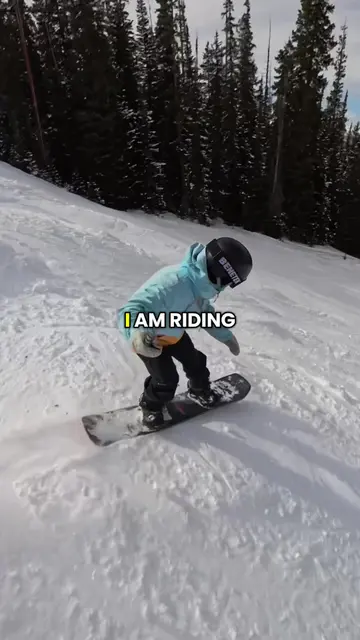
Reviewer The knee-over-toe squat check is a nice, practical way to sanity-check your width.
Moderator Squarely on-topic: his own angles and width, the symmetry goal (riding regular and switch should feel the same), and a specific alignment check tied to width choice.
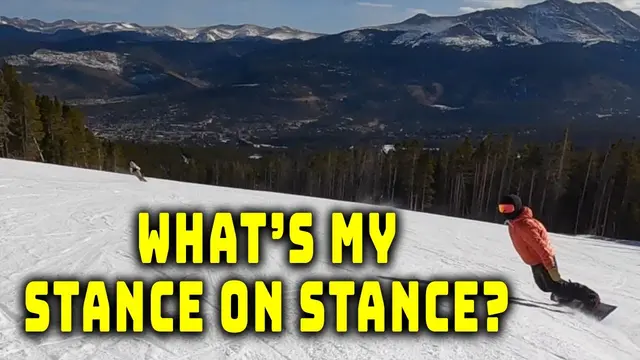
Reviewer The knee-pain story (12/-12 hurt, 15/-15 didn't) is the kind of real troubleshooting most stance videos skip.
Moderator This is a full framework for choosing stance — width tradeoffs, angle tradeoffs by riding goal, and his own numbers as a worked example throughout. Squarely on topic.
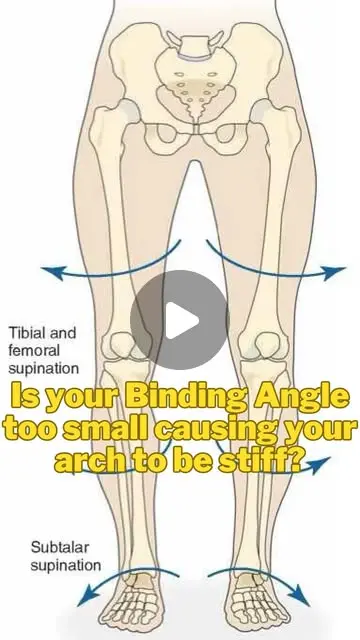
Reviewer Genuinely deep biomechanical reasoning, though part of the transcript didn't come through cleanly.
Moderator Squarely binding angles, specifically their downstream biomechanical effect on foot arch position through the leg's rotation chain. A specialized but clearly on-skill facet.
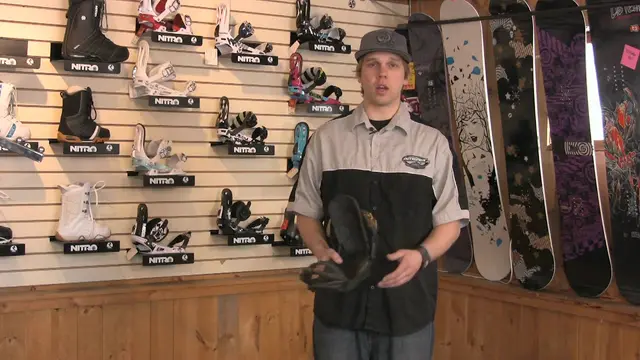
Reviewer Good concept primer, light on hands-on detail.
Moderator Whole clip is binding angles — what the disc/centerline does and why riders choose different angles (aggressive forward for all-mountain/carving, closer-to-natural for beginners, duck for park). Squarely on topic.
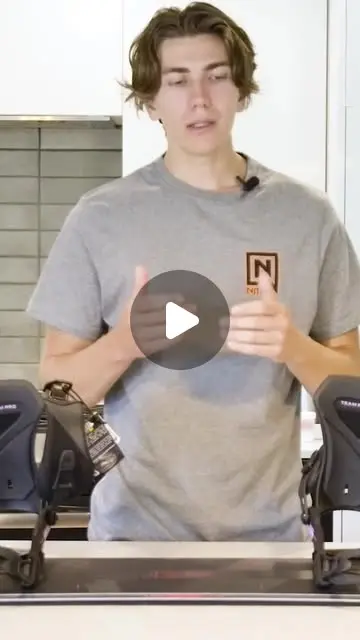
Reviewer Good breadth of valid setups, though the reasoning behind each stays fairly brief.
Moderator Squarely binding angles: runs through several valid angle combinations with quick reasoning for each, plus a common heuristic (back foot 3 degrees less than front) attributed to top riders.
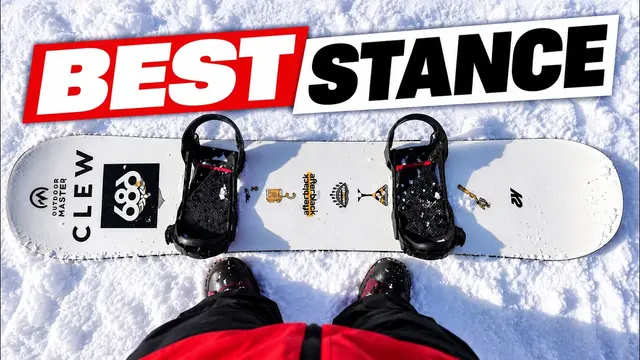
Reviewer Good real-world comparison — you actually learn what changing your back angle feels like, not just a number to copy.
Moderator Squarely on-topic — a real side-by-side comparison of three back-foot binding angles with concrete feedback on each. This is exactly the kind of exploration that helps someone understand angle setup.
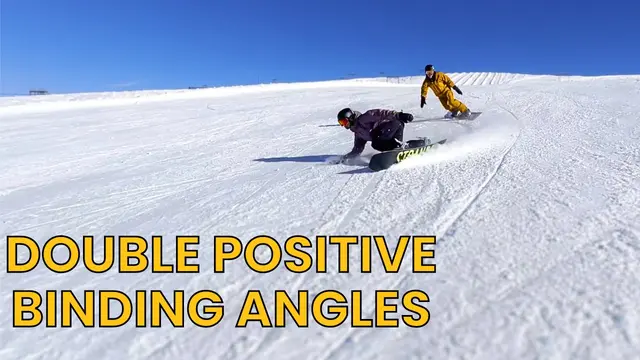
Reviewer Good real-world insight from someone who's actually made the switch, just a bit loose in delivery.
Moderator Whole video is a hands-on experiment in switching to a positive-positive binding angle setup for carving, with real numbers and an interview with someone who's ridden that way for years. Squarely on the stance/angle topic.
Reviewer Good starter explanation, doesn't overcomplicate it. Solid.
Moderator Covers both halves of stance setup - width and angle - including the actual disc numbering system on the binding. Straight down the middle of the sub-skill.
Reviewer The numbers are good, the delivery needs a serious edit.
Moderator Covers goofy/regular determination, bolt patterns, and gives concrete angle ranges for front and back foot specifically pitched at beginners. On topic despite the rambling delivery.
Reviewer Credible and informative, but rambling — you'll need to already know some vocabulary to get the value out of it.
Moderator Genuinely a deep-dive on setback, stance width and reference stance markings — all core stance-setup topics — from people with real design/racing credentials. On topic.
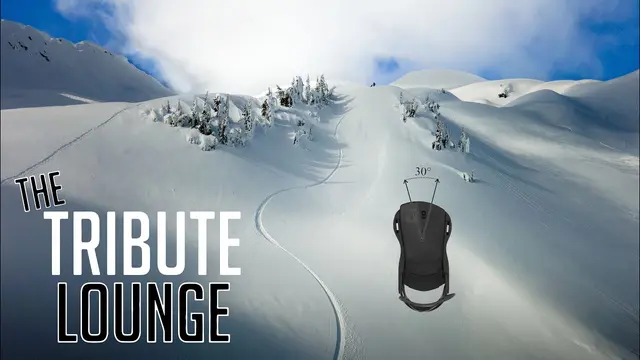
Reviewer One good rule of thumb (the 30-degree knee spread) buried in a lot of hangout chat.
Moderator The whole conversation is riders comparing and discussing their stance angles by category - on-topic, if loosely organized.
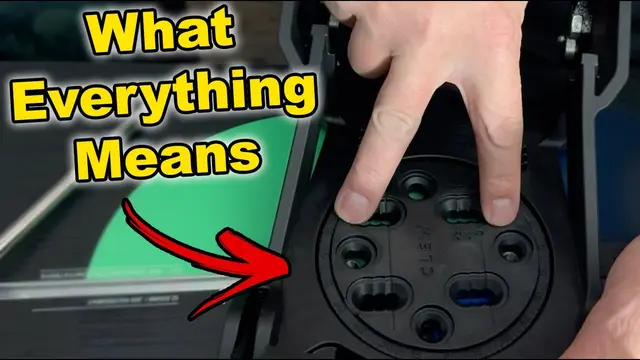
Reviewer Useful tips, noticeably sponsored.
Moderator Covers stance width (a clever squat-depth trick to find your natural width) and binding angle basics (front positive/back negative, both-positive for serious carvers) alongside the physical mounting process. On topic for the width/angle part; the disc-plate and screw mechanics are adjacent but related.
Reviewer One good, reusable test (knee over toe when you squat) buried in a very short personal-stats clip.
Moderator States his numbers and, more usefully, gives an actual method (knee-over-toe squat check) other riders can apply — genuinely about choosing stance width/angle, just brief.
Reviewer Useful rules of thumb, but light on the why compared to the better videos in this batch.
Moderator Casual but genuinely on-topic the whole way through — their own angle choices, the reasoning (switch riding vs carving), and a montage of bad angle setups to avoid. Stays on stance angles throughout.
![What is the best Snowboard Stance Width and Binding Angles [Updated 2018]](https://img.subskills.xyz/v1/f55cbc7488b3b2b35eb77c5dceb71900.webp)
Reviewer Some useful nuggets buried in a rambling personal update — you'll have to dig for them.
Moderator Squarely about stance width and binding angles — that's literally the whole video: his own setup, angle numbers, and rationale for wide vs narrow, duck vs directional. On-topic through and through, just delivered as a personal ramble.
Reviewer Interesting for insiders, not built to teach.
Moderator It is about personal stance angle choices (specific degrees, narrow vs wide) and why, so it's on-topic, but it's unstructured shop-talk between riders rather than a lesson — no setup, no explanation of the underlying concepts.
Reviewer The stance-angle payoff is good once it arrives, there's just a lot of powder-technique throat-clearing first.
Moderator Title promises stance angles for powder/freeride, but most of this excerpt is the general theory of why beginners get stuck on the back foot in powder — genuinely about a different (adjacent) topic. The angle-specific payoff is only starting to arrive as the clip cuts off.
Reviewer One good, specific tip on binding position for resort riding — wish there was more of that and less mindset talk.
Moderator About half of this is genuinely on-topic — shifting bindings forward and widening the stance for resort/crud conditions vs. powder, with a clear rationale. The rest drifts into general riding mentality and smoothness that isn't about stance or binding setup.