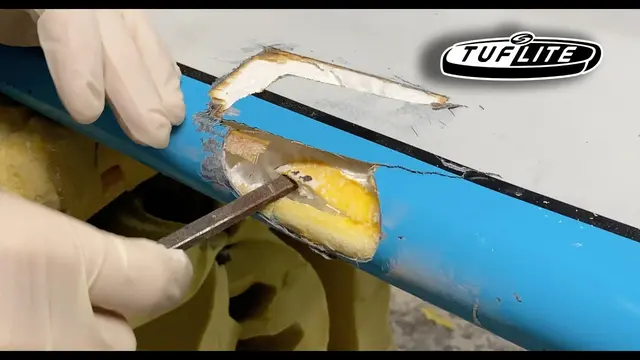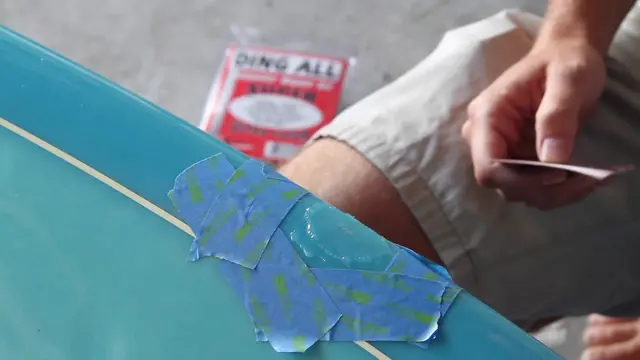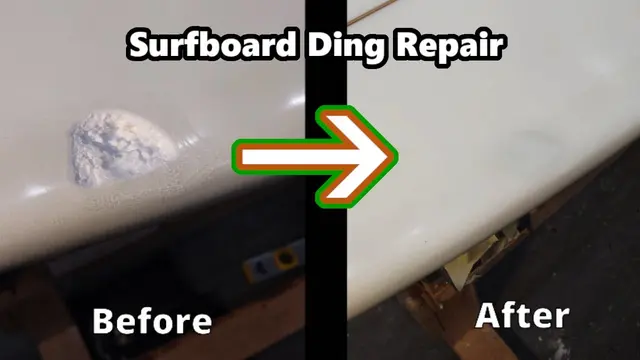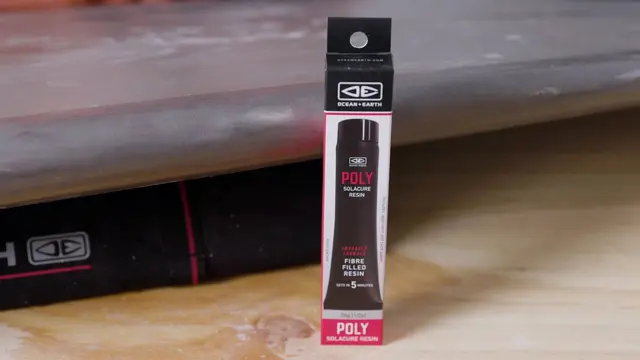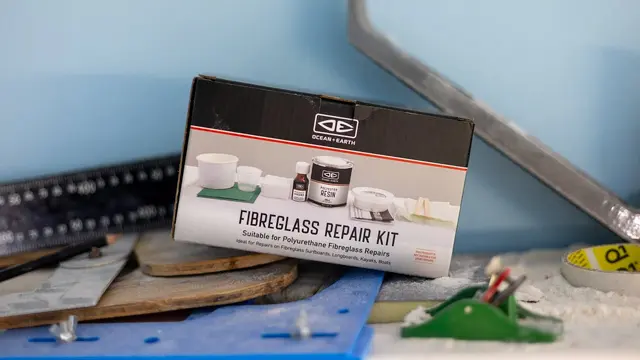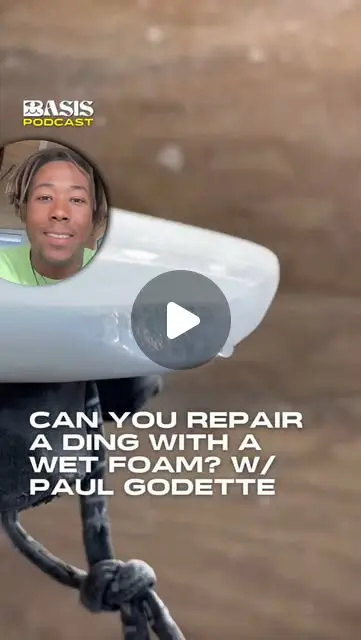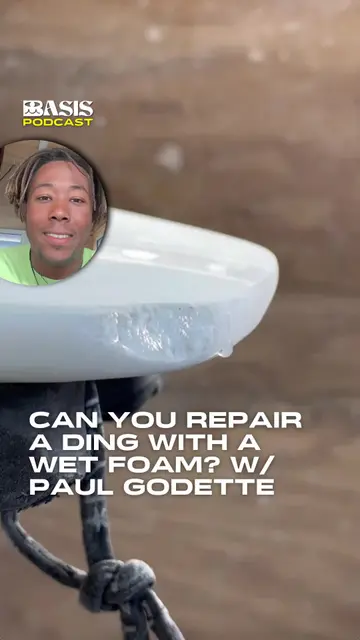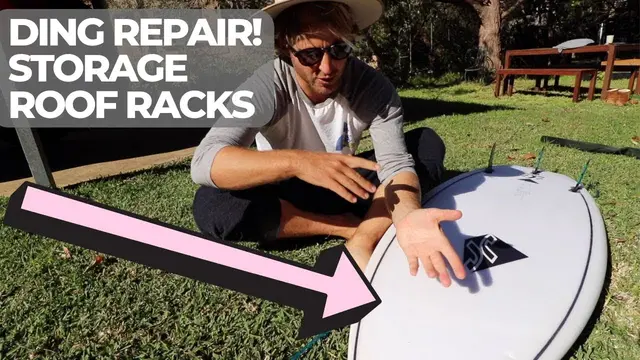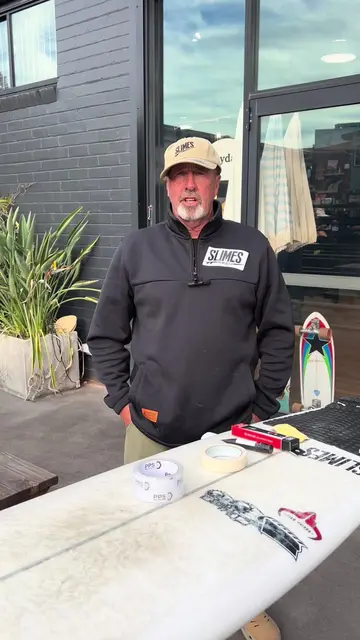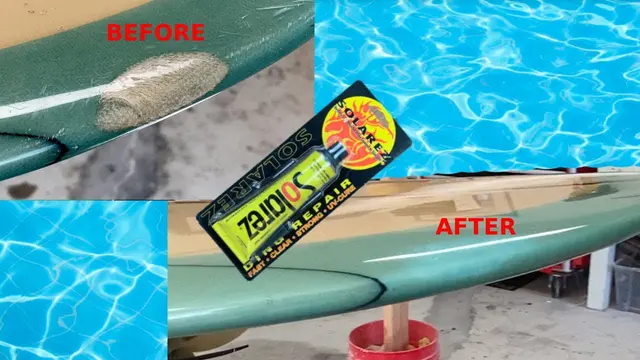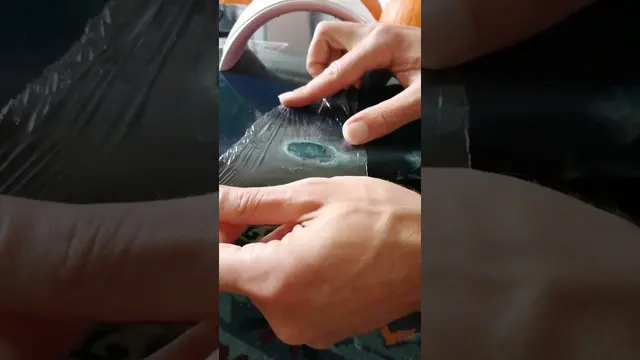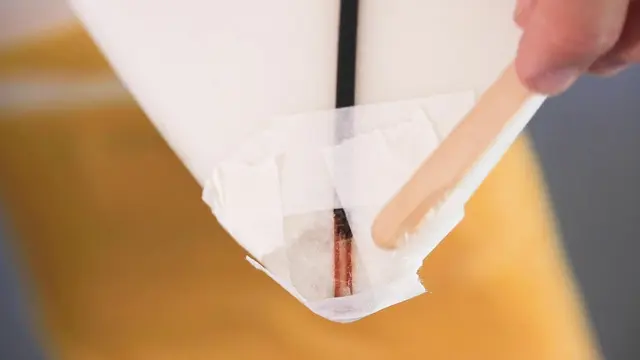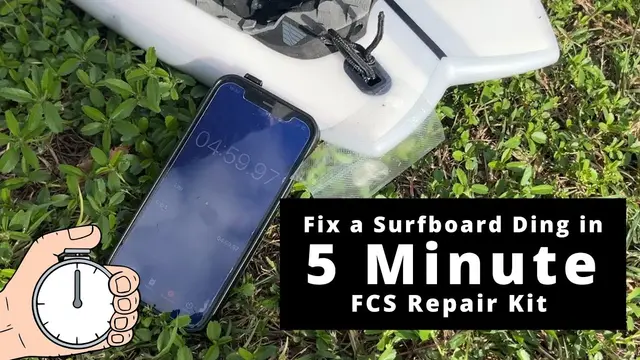
Surfboard ding repair

Surfing / Popular

Fix dings so water stays out of the foam.

What coaches agree on

  • Clean and dry the damaged area completely, with no wax, sand, or moisture left, before you start work — resin will not bond or cure properly on a dirty or wet surface.
  • Sand and rough up the area around the damage before filling or glassing it; a smooth, glossy finish will not let new resin bond, so this step is what actually makes a repair stick.
Show more
  • Slightly overfill the void with filler and sand it back down to shape afterward — it is much easier to remove extra material than to add more once it has cured.
  • Cut two fiberglass patches in graduated sizes, one sized to the damage and a second, larger one to overlap it, for a stronger repair that blends into the board.

Common mistakes

  • Using polyester resin on an EPS-foam or epoxy board, or the reverse — the resin has to match the board's foam and glass type or it will not bond and cure right.
  • Skimping on resin while wetting out a fiberglass patch — not fully soaking the cloth leaves the weave and threads visible instead of a smooth, watertight patch.
Surfboard ding repair
Beginner

Surfboard ding repair

Coach's take: A couple of genuinely handy budget hacks in here, even if it's not polished.

3.1
Surfboard broken nose repair
Advanced

Surfboard broken nose repair

Coach's take: Scaled-up job, but the technique underneath -- clamps, layering, grit progression -- is exactly what you want to learn.

2.8