Intermediate
Reviewer Best teaching in this batch on what a high-elbow catch actually looks like.
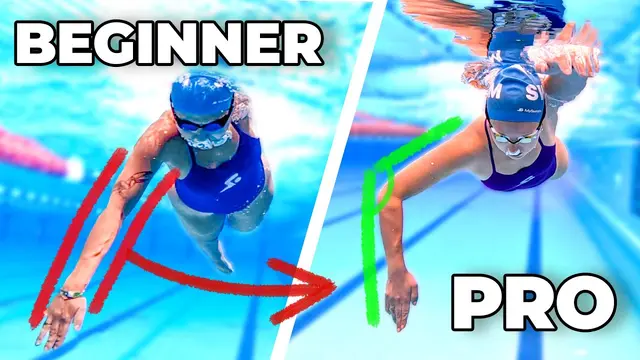
Moderator Directly compares a beginner's straight-arm pull to an advanced swimmer's high-elbow catch/EVF side by side. This is the core lesson.
3.8
54 free videos on technique, drills and tips, each tagged by level
Reviewer Best teaching in this batch on what a high-elbow catch actually looks like.
Moderator Directly compares a beginner's straight-arm pull to an advanced swimmer's high-elbow catch/EVF side by side. This is the core lesson.
Reviewer Focused, practical, easy to apply in the pool.
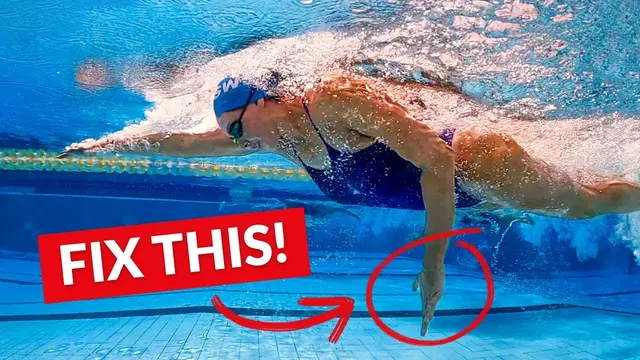
Moderator Explains EVF/high elbow directly, then gives two targeted drills (fist drill, paddle drill) to build it.
Reviewer Sharp, original catch coaching.
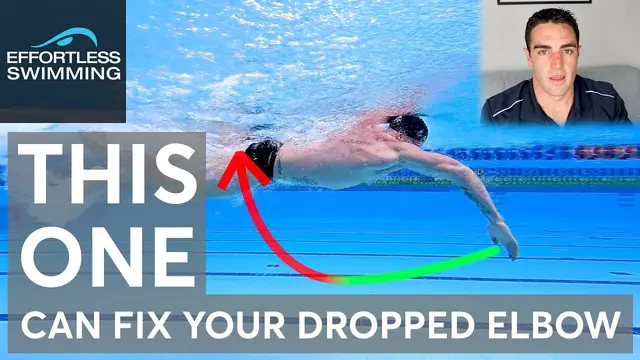
Moderator Whole video is the catch via shoulder position — shoulder to cheek, scoop drill, slow-to-fast, setup phase. Exactly the skill.
Reviewer In-depth, honest, genuinely useful catch coaching.
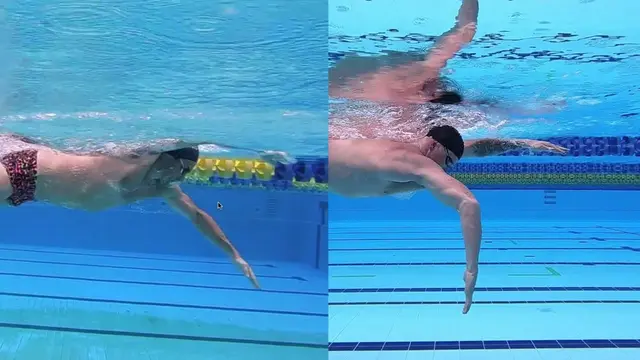
Moderator Entire video defines and builds the high-elbow catch — fingertips to underarm depth, elbow above the shoulder-to-fingertip line, catch as setup phase. Bang on.
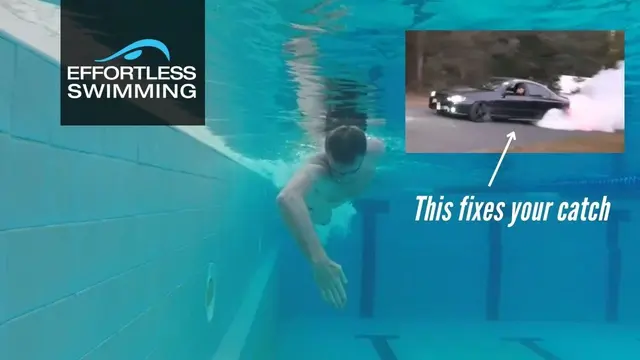
Reviewer Clever, memorable, and backed by a real drill — great teaching.
Moderator Entirely built around explaining the high-elbow vs dropped-elbow catch with a clever analogy and a specific drill (catch-kick) to feel the position — squarely on-topic.
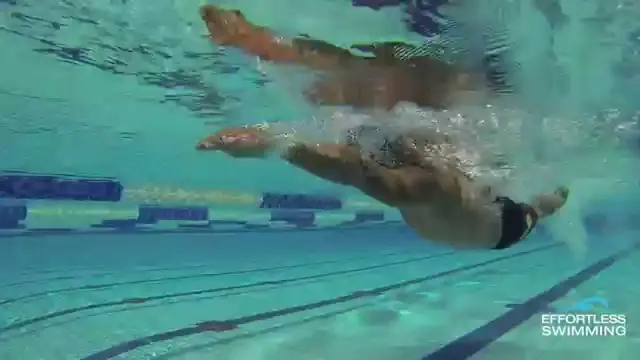
Reviewer Excellent, specific, and directly useful.
Moderator Directly and entirely about setting up the catch — fingertip-first entry, extending underwater to armpit depth before initiating the catch. This is exactly the skill.
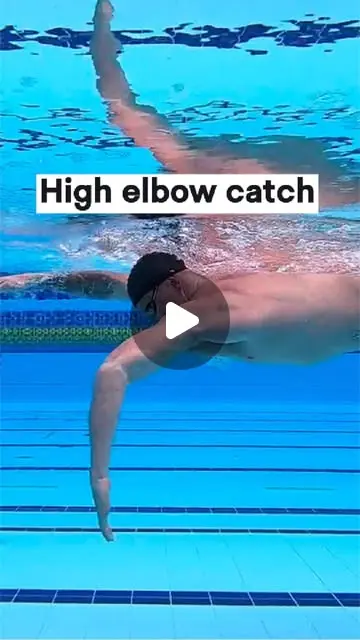
Moderator Defines the high-elbow catch properly (elbow above the line from shoulder to fingertips, seen from the side), then shows how to get there: hand drifts slightly out and the elbow slides out to the side to open the underarm. Squarely on the catch.
Reviewer The shoulder-to-fingertip line is a clean test for a high elbow, and 'slide the elbow out, don't just bend it' fixes the usual confusion. The fins-paddles-snorkel pause drill gives you something to practise.
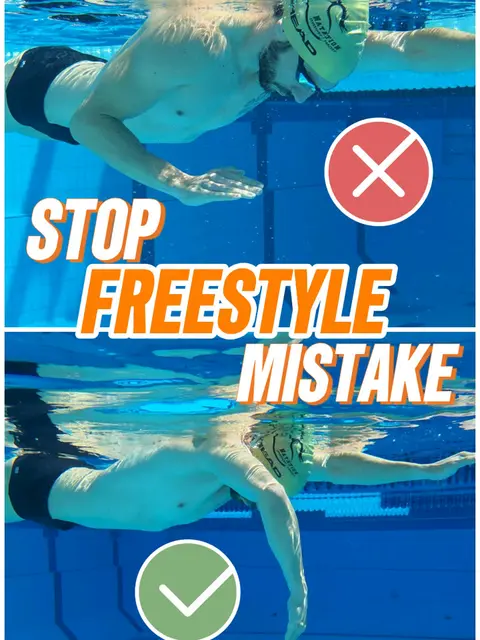
Moderator A catch drill specifically about not dropping the elbow during the pull -- this is exactly the high-elbow catch, named and drilled directly.
Reviewer Specific, practical drills that directly fix a common catch fault.
Reviewer Explains exactly why the common catch mistake feels right but isn't.
Moderator Explicitly explains the high elbow catch position and early vertical forearm by name, contrasts it with the common mistake of reaching and gliding, and uses paddle drills to teach the feel of 'gathering the water'.
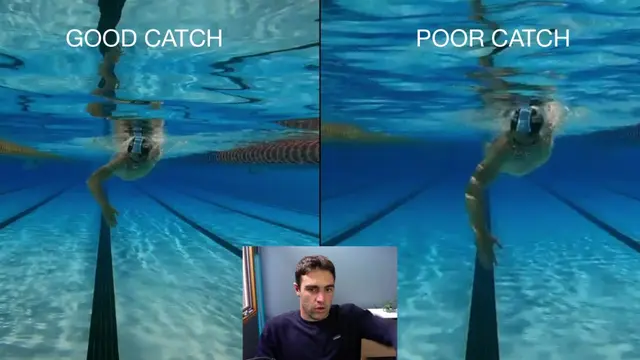
Reviewer Clear comparison plus a real drill to fix it — genuinely useful.
Moderator This is the textbook definition of the sub-skill: side-by-side comparison of a high-elbow catch versus a dropped elbow, explaining exactly what the upper-arm/shoulder alignment should look like and why straight-armed swimmers default to dropping the elbow. Dead center on target.
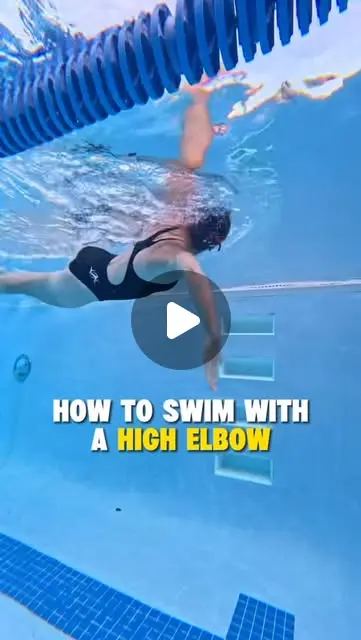
Moderator How to get a high elbow in freestyle: after entry and extension, jut the elbow out to the side and roll the shoulder in so the elbow sits above the hand and the forearm faces back. Squarely about the high-elbow catch.
Reviewer Two cues you can try straight away (elbow out to the side, roll the shoulder in) and a clear picture of why a dropped elbow just pushes water down. Counting strokes per length before and after is a smart test.
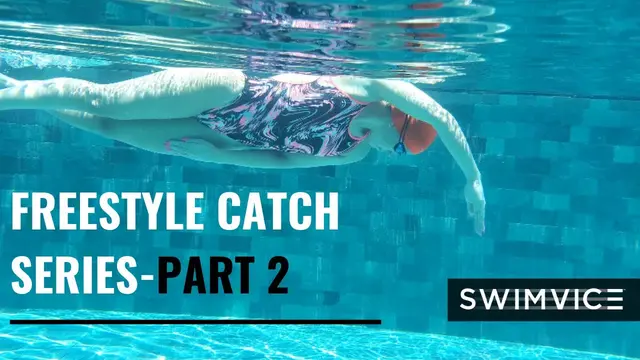
Reviewer Detailed cueing, though it assumes you've seen part 1.
Moderator This is entirely about the freestyle catch -- rotating in, pressing the arm back, avoiding the dropped elbow. Exactly the skill.
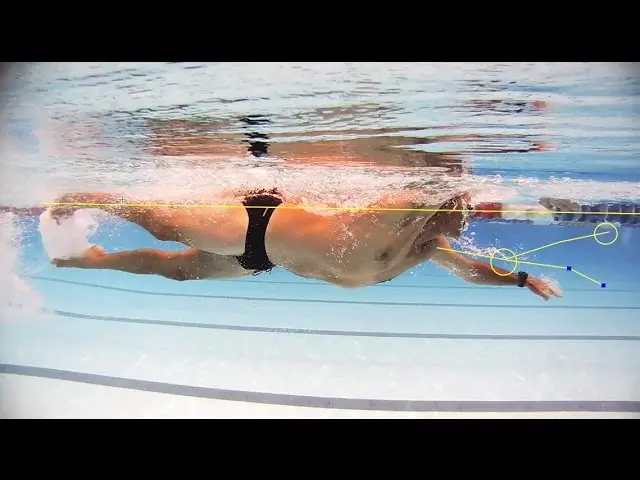
Reviewer Top-tier: clears up the dropped-elbow myth with a simple fingertips-below-wrist-below-elbow cue and real analysis.
Moderator Paul Newsome / Swim Smooth, the whole piece is the high-elbow catch: reframing dropped elbow as a high hand, fingertips below wrist below elbow, side-by-side with Phelps. Could not be more on the sub-skill.
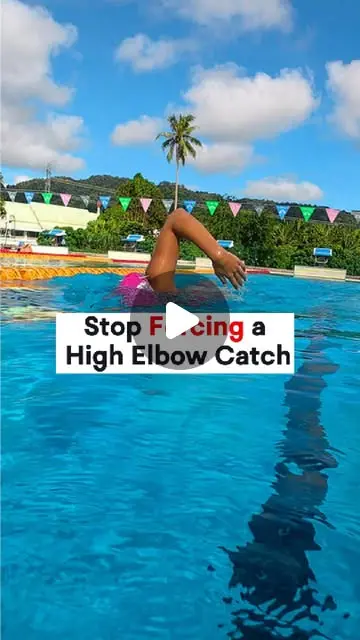
Reviewer Good framing: comfortable, then strong, then effective, plus the point that sprinters and distance swimmers use different catches. Tells you what to aim for more than how to train it.
Moderator Explains the high-elbow catch as the first part of the pull: hand slightly lower than the elbow, forearm facing back, and how much of it you want depending on shoulder mobility and race distance. Squarely about the catch.
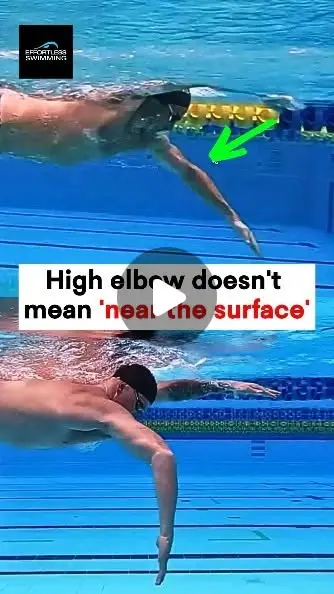
Reviewer Kills the myth that high elbow means near the surface, and the shoulder-to-fingertip line gives you a simple check. Sensible advice for adult swimmers with tight shoulders, though there's no drill.
Moderator Defines what a high-elbow catch really is (elbow above a straight line from shoulder to fingertips, not 'close to the surface') and how extreme it needs to be for swimmers with limited shoulder mobility. Squarely on the sub-skill.
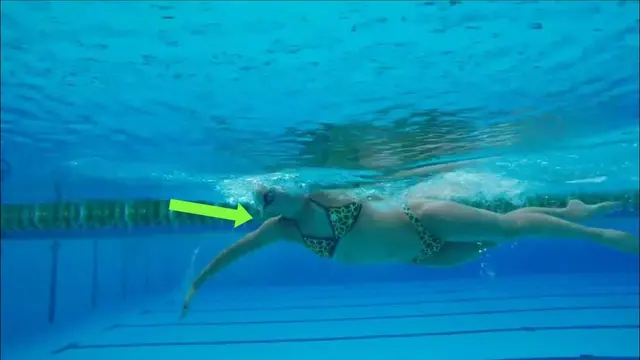
Reviewer Root-cause clear, great examples and drills. Excellent.
Moderator Directly about why the high-elbow catch is hard and how to get it - the shoulder-drop cause, the half-diamond/power position, with elite examples. Squarely the sub-skill.
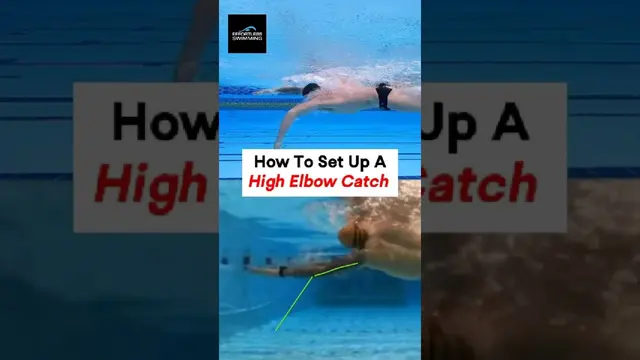
Reviewer Concise, technically sharp, exactly on-topic.
Moderator Literally titled and entirely about the high-elbow catch — finger direction, elbow hinge, and named drills (YMCA, setup drill) to build the position.
Reviewer One of the more technically rich breakdowns of the entry into a good catch.
Moderator Focuses on hand entry and extension that sets up the catch, explicitly discusses elbow bend to 100-120° and the 'power diamond' of the catch - directly on topic.
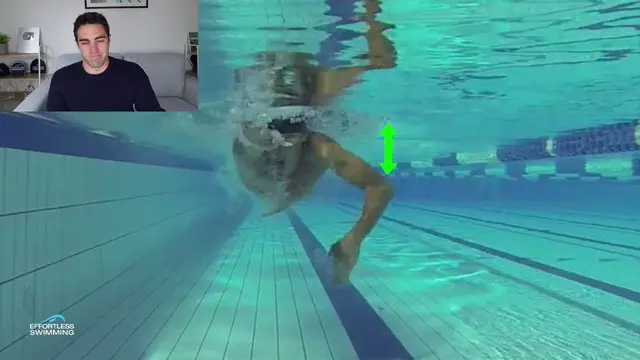
Reviewer Kills the surface-elbow myth and teaches the real thing well.
Moderator Clears up exactly what high-elbow means - elbow above the shoulder-to-fingertip line, pressing back not down, and that it is not literally near the surface. Definitional core of the sub-skill.
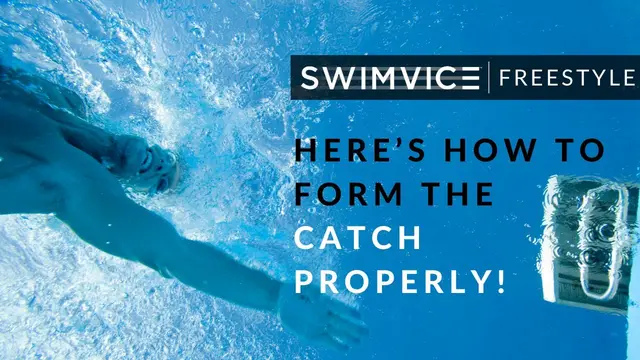
Reviewer One of the better catch-technique breakdowns in this batch.
Moderator Squarely about pulling too soon vs establishing a proper catch/hold with a high elbow before pulling — this is exactly the high-elbow catch skill, shown with clear before/after freeze frames.
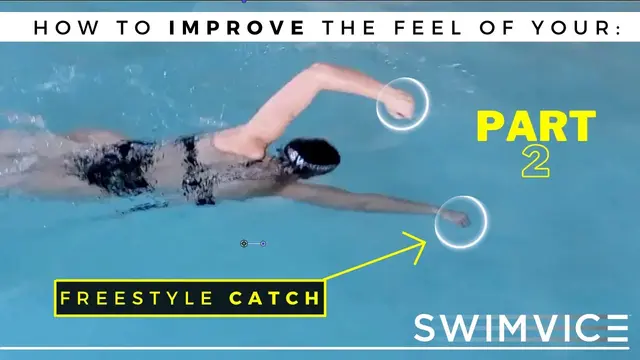
Reviewer Good quick cues, just not much depth for a full lesson.
Moderator Short, focused fist-drill tips for feeling the catch - relaxed forearm, light resistance, high elbows in front. Squarely about the high-elbow catch.
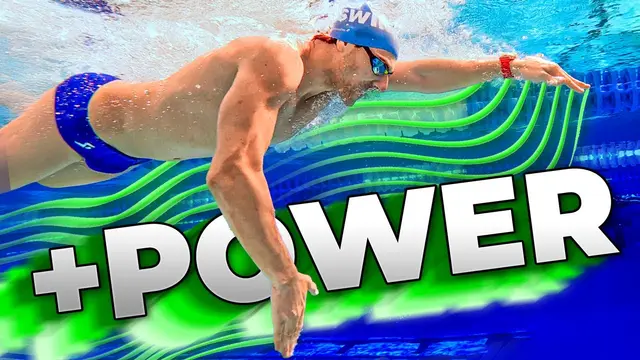
Reviewer Accessible and scalable, works for a range of swimmers.
Moderator Fist drill and progressions are aimed at building the high-elbow catch feel, with explicit high-elbow cueing throughout.
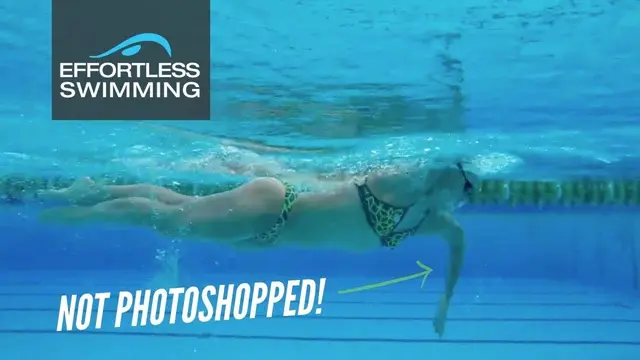
Reviewer Strong, injury-aware catch analysis. Credible.
Moderator Frame-by-frame analysis of an Olympic 10k champ catch - vertical forearm, upper arm barely moving while forearm drops. Squarely about the high-elbow catch, with a sensible caveat not to copy the extreme version.
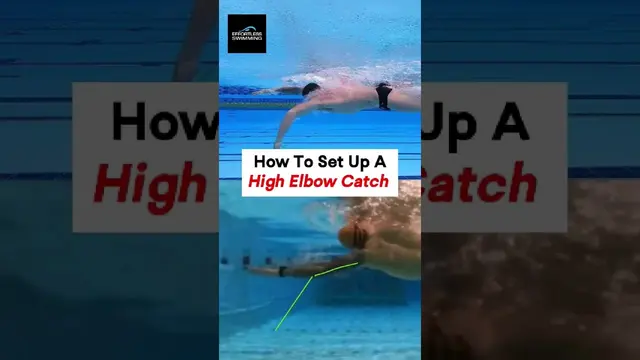
Reviewer Clear quick cue; short, just a seed not the full lesson.
Moderator Short and entirely about setting up the high-elbow catch - fingers point down first, then hinge the elbow while keeping the upper arm still. Bang on the sub-skill.
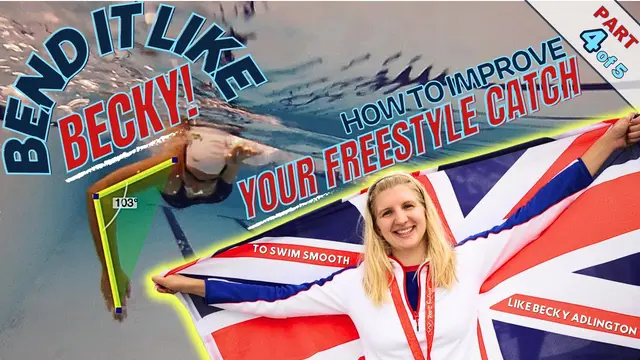
Reviewer Deep and credible, but meandering and plug-heavy.
Moderator Swim Smooth catch-and-pull masterclass - bend-the-elbow-like-Becky, fingertip-below-wrist-below-elbow, the power phase. Core subject is exactly the high-elbow catch.
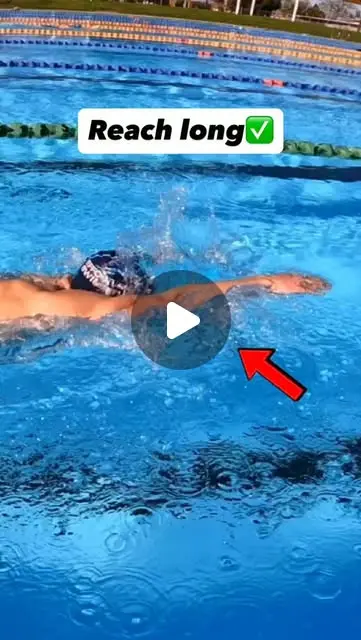
Reviewer Specific enough that you could check yourself against it in the pool.
Moderator About keeping the elbow up through the entry instead of dropping it in first — which is precisely what sets up a high-elbow catch. Fingertips first, elbow high, then extend underwater at armpit depth. Core to this skill.
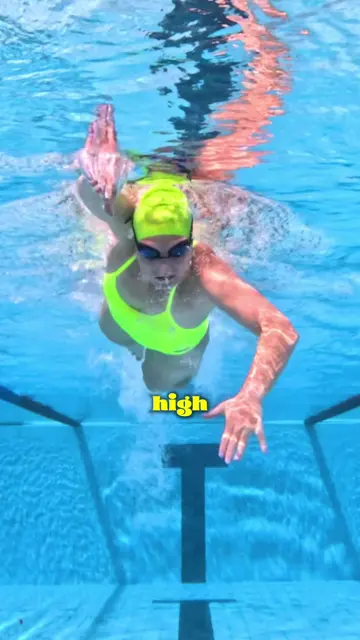
Reviewer Good drill, but doesn't tell you what to feel for once you're doing it.
Moderator Names the drill explicitly as a fix for the high-elbow catch — keeping the whole stroke underwater instead of recovering over the top, which forces you to feel the catch position. Directly on the named skill.
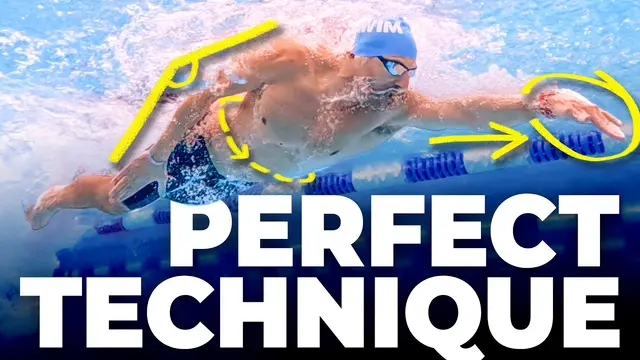
Reviewer Clear two-coach breakdown that actually reaches the high-elbow catch setup.
Moderator After covering body position, it explicitly walks through hand entry and the early vertical forearm / high elbow catch setup - clearly on topic for a meaningful chunk.
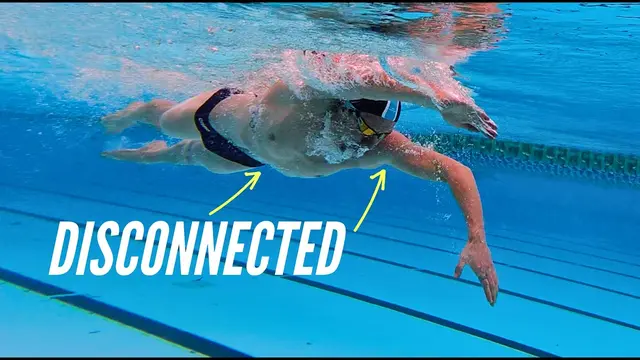
Reviewer Nuanced, real coaching — explains why 'good position' alone isn't enough.
Moderator This is squarely a catch case study — a swimmer with a technically good catch position who isn't getting faster because the timing into the catch is off. It walks through the catch position itself, the entry-extension-catch sequence, and how rotation ties into it. Slightly more about timing/sequencing than elbow height alone, but it's unambiguously about the catch.
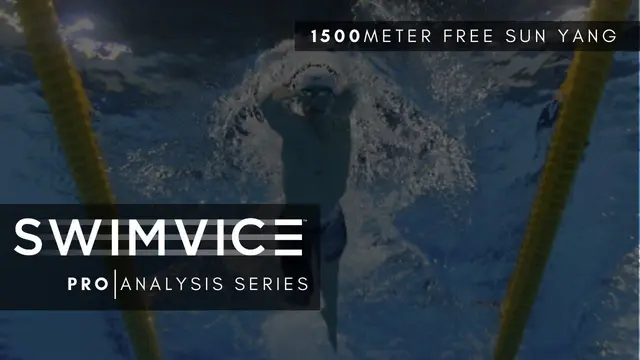
Reviewer Sharp technical analysis — great for training your eye on catch mechanics.
Moderator This is a frame-by-frame breakdown of Sun Yang's catch — extension depth, elbow bend, timing out front, hold of the water — comparing two of his races. It's squarely about the catch mechanics, which is exactly this sub-skill, even though it leans more on 'hold/extension/timing' language than the phrase 'high elbow' specifically.
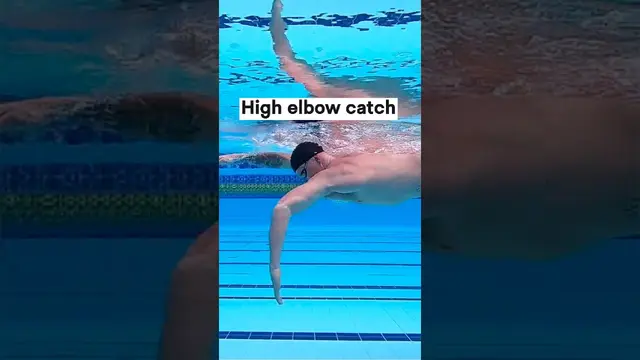
Reviewer Right idea, but feels half-finished.
Moderator Short, focused definition of the high-elbow catch — elbow slides out, open underarm, scapula connection. Right on the skill.
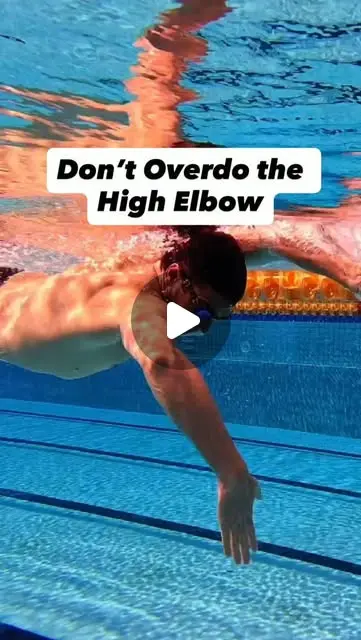
Reviewer Worth hearing before you chase a high elbow: keep the catch around 4-5 out of 10, let the shoulder blade move down and back, don't muscle into position. Safety advice more than a how-to.
Moderator The high-elbow catch from the injury side: why forcing an extreme high elbow (arm near 90 degrees, shoulder internally rotated) hurts the front of the shoulder, and how to set the catch comfortably instead. On the skill, but about not overdoing it more than building it from scratch.
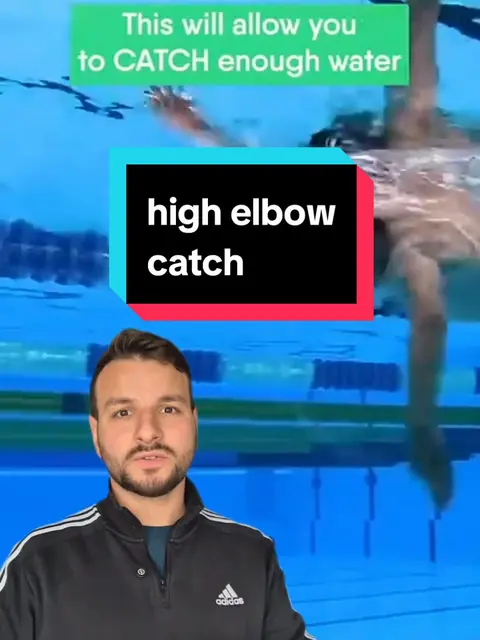
Reviewer Simple, correct cue: elbow above the hand, anchor, then pull back. Good quick reminder, though there's no drill to go with it.
Moderator All about the high-elbow catch: after hand entry the elbow stays above the hand, you anchor on the water and pull back, and you avoid the dropped 'T-Rex' elbow. One topic, squarely on the skill.
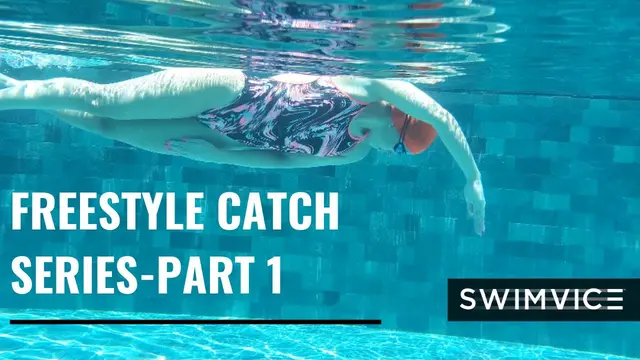
Reviewer Proper progression with rehearsal then pool work and the right cues (hold with lats/core, do not drop the elbow); only part 1 of the series.
Moderator Dedicated three-part catch series, part 1. Defines the catch phase, lower arm positioned to hold water, keep the elbow elevated and avoid dropping it, feel the stretch in the lats. Entirely on the high-elbow catch.
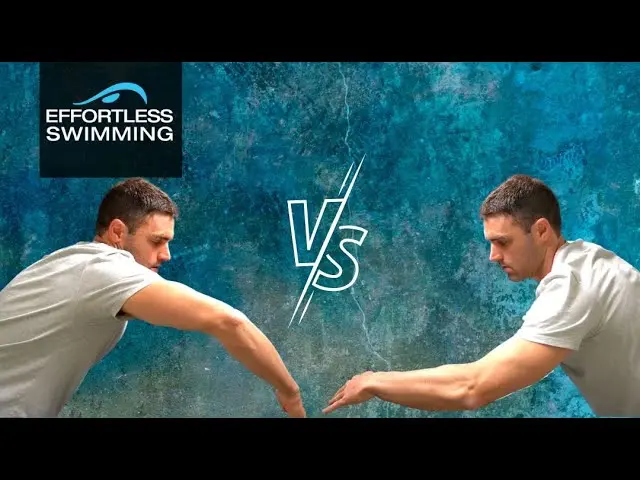
Reviewer Sound cue and self-correction drill; rambly intro.
Moderator Whole point is that keeping the shoulder high near the cheek is what unlocks the high-elbow catch, with side-kick and single-arm scoop drills to train it. Squarely about the high-elbow catch.
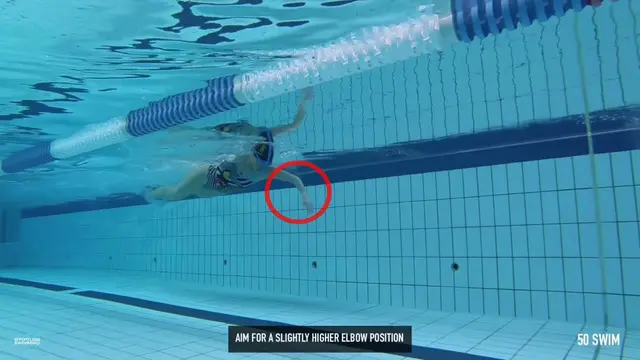
Reviewer Genuinely useful catch drill and cueing — just sit through the clinic plug first.
Moderator Squarely on target — Brenton from Effortless Swimming demoing his favourite drill for the high-elbow catch. Once he gets past the clinic plug, it is the catch-kick drill: fingertips down, elbow forward of the shoulder, that 90-degree catch position, kicking to feel it. Exactly the assigned sub-skill. Knocked off a touch only for the long promo runway before the content.
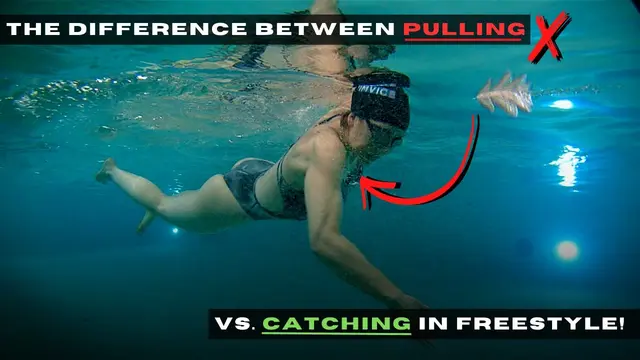
Reviewer Clear why-it-matters with freeze-frames (catch keeps your line; shoulder-pull bounces you), but light on how-to drills.
Moderator The entire quick tip is forming a catch vs pulling from the shoulder, with the dropped/slipped elbow as the failure mode. That is the high-elbow catch by another name. Solidly on the sub-skill.
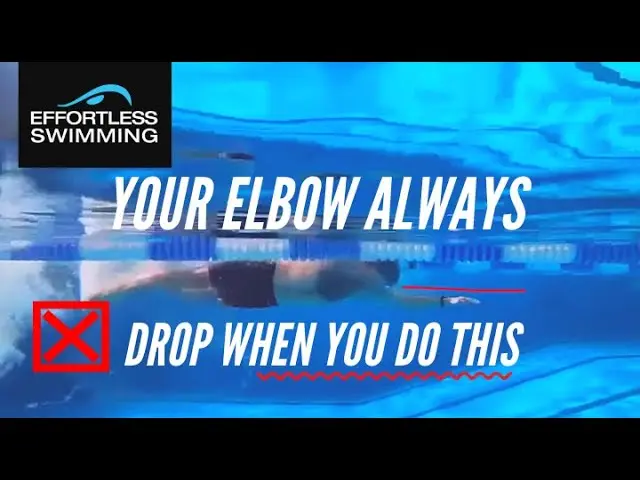
Reviewer Nuanced teardown linking catch to rotation and timing. Good.
Moderator Stroke analysis of why the elbow drops - over-rotation and timing knock the catch out of the power diamond. The catch is central even though the fix is rotation/timing. Solidly relevant, just not exclusively about the catch setup.
Reviewer Useful dryland fix for a stuck catch.
Moderator Mobility/strength angle for the catch — shoulder press to free the scapula, big-armpit cue. Relevant to getting the catch, just slightly indirect (dryland not stroke).
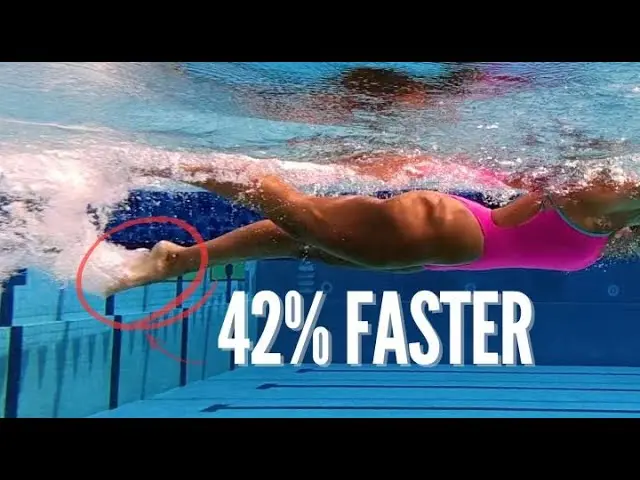
Reviewer Clear, correct cue -- just wish it were the whole video.
Moderator One of five fixes is squarely about the catch -- 'don't pat the cat,' point fingers down, bend the elbow to set the catch. Good chunk of relevant content, but it's one-fifth of the video.
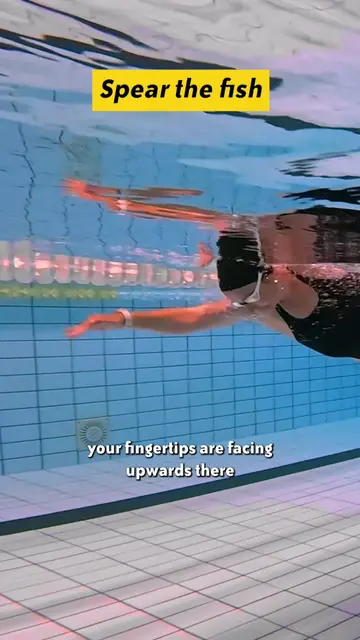
Moderator About hand entry depth rather than the catch itself, but it's presented explicitly as the fix for a shallow entry that's undermining the catch — with a specific drill (the 'spear the fish' visualization) to correct it. Feeds directly into the target skill even if it's one step upstream of it.
Reviewer Good drill for a fault that's easy to miss in yourself.
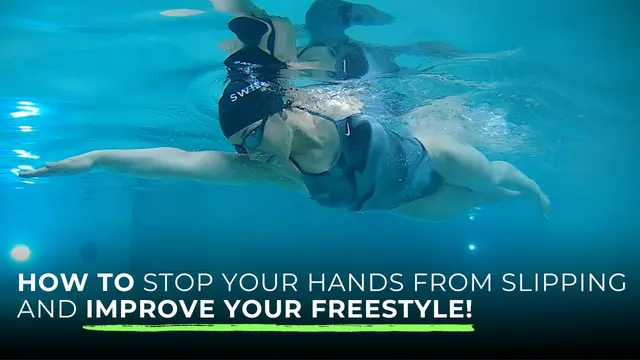
Reviewer Solid, specific coaching on catch/hold quality.
Moderator About the arm 'slipping' through the water rather than holding it — this is precisely a failure to establish a proper catch/hold, so it's squarely on-topic even though it doesn't use the words 'high elbow.'
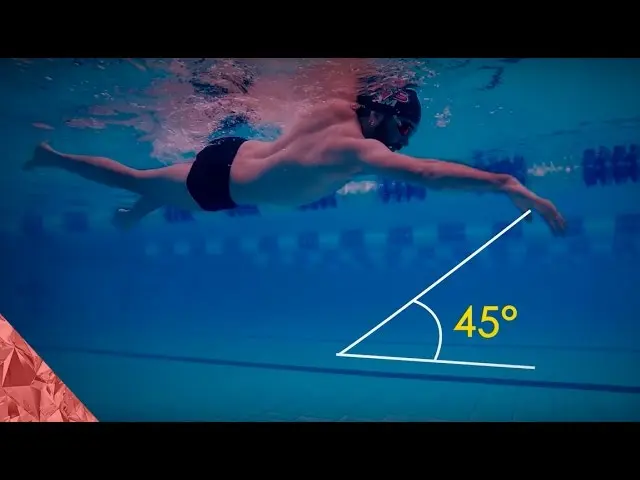
Reviewer Simple and clear for someone learning the pull from scratch.
Moderator Covers the hand entry, catch, and pull mechanics of the freestyle stroke (fingertip entry, 45-degree catch angle, push through), the core mechanics feeding into a proper high-elbow catch even without naming it explicitly.
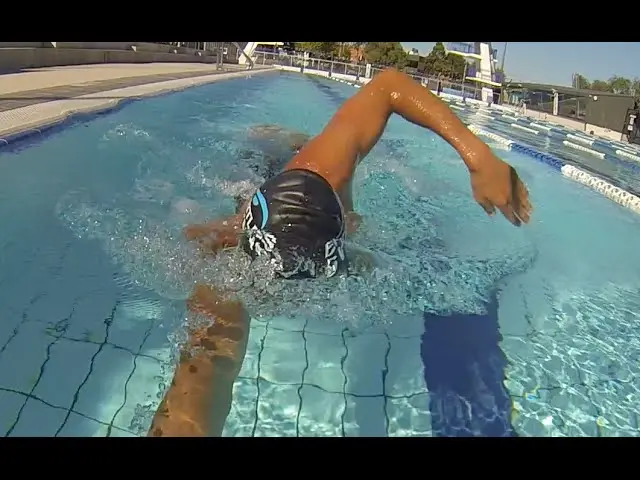
Reviewer Credible flexibility self-test with clear targets, but it diagnoses the limiter rather than teaching the catch, and finishes on a product plug.
Moderator Brenton Ford framing the shoulder/lat flexibility test as the number-one indicator of high-elbow ability. It is squarely in the high-elbow catch world but it is a dryland range-of-motion test, not the catch mechanic itself. On topic as a prerequisite, not dead-centre on the skill.

Reviewer Good mental model (kickboard/propeller lift) but it is mid-podcast audio with no visuals - concept over coachable reps.
Moderator Whole excerpt is the catch: angle of attack of the hand, subtle internal shoulder rotation, holding water vs pushing it straight back, kickboard-on-the-deck demo. Dead on the high-elbow catch concept, even if it is a talking-head podcast.
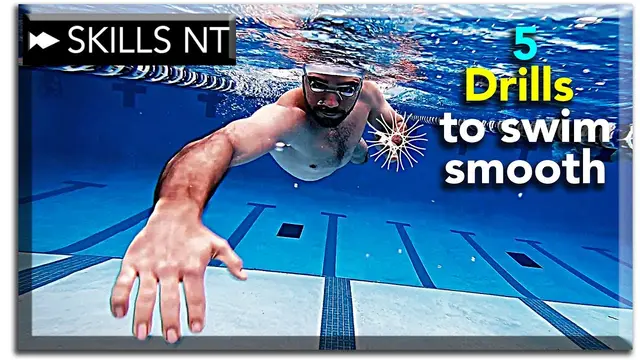
Reviewer Good, brief drill explanation for swimmers who already know the vocabulary.
Moderator The 'sculling high elbow' drill is specifically built to teach the high-elbow catch position -- one of five drills targets this skill directly.
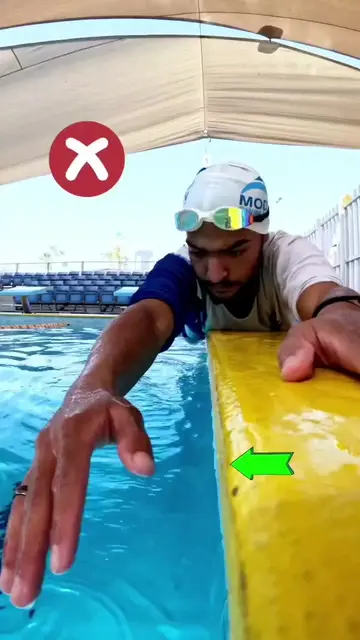
Moderator Quick right-vs-wrong look at the high-elbow catch: elbow stays above the hand early in the pull for a better lever against the water. One topic only, so it sits squarely on this skill.
Reviewer Handy for seeing the right and wrong shapes side by side, but 26 seconds is too short to give you a cue or a drill to build the catch.
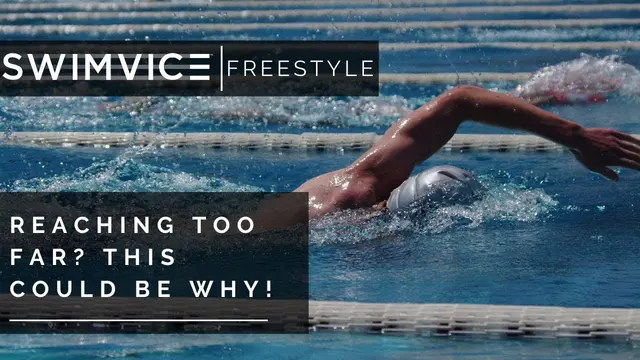
Reviewer Clever diagnostic for a common entry problem, useful even if slightly off dead-center.
Moderator About arm entry going too far/uphill, caused by the other arm pulling too fast - related to catch setup and timing but more about entry/timing than the catch pull itself.
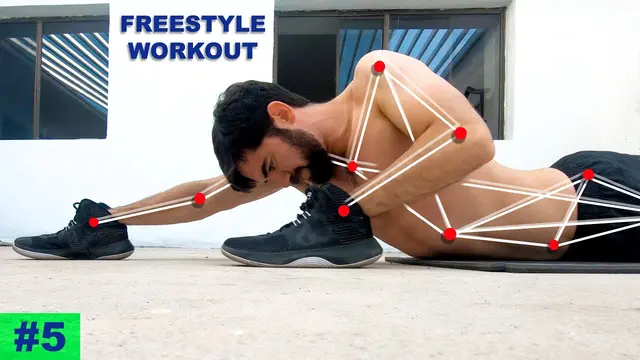
Reviewer Decent supplementary drill, not a stand-alone lesson.
Moderator One specific drill (elbow-on-the-wall) is aimed directly at building high-elbow muscle memory, but it's one of many unrelated dryland exercises in the video.
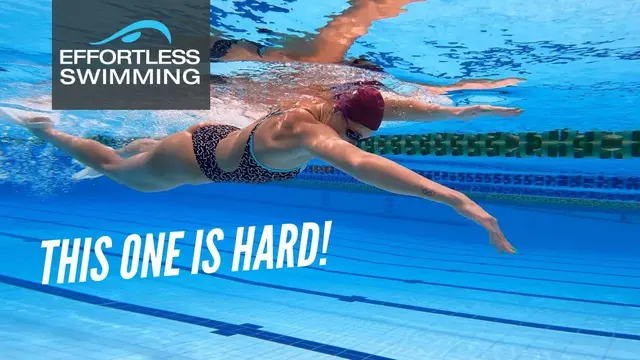
Reviewer Strong drills, light on catch.
Moderator Catch only named in the sculling section. Brushes it.
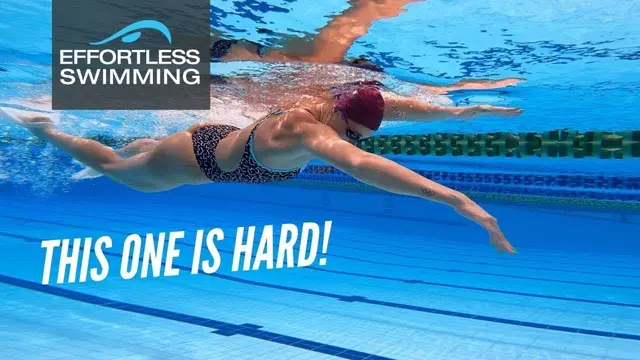
Reviewer Strong drills, light on catch.
Moderator Catch only named in the sculling bit (fingers down, elbows out to the side). Brushes the skill, not taught.
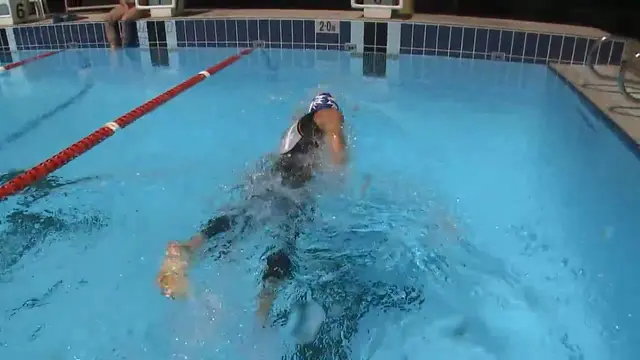
Reviewer Good analysis, catch content is solid but not the whole video.
Moderator A real stroke analysis that explicitly discusses catch and pull-through quality ('presses down at the front end before he gets into that good catch and pull-through'), among body position and breathing pattern — touches the high-elbow catch directly, just as one part of a broader analysis.
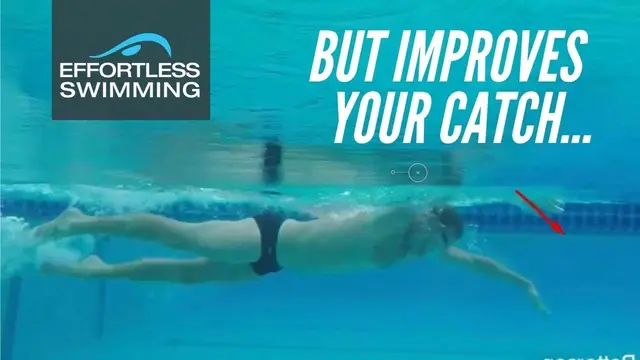
Reviewer Solid, specific cue on entry — a bit brief and ends in a sales pitch.
Moderator Despite the ironic title, this is genuinely about what sets up the catch: entering fingertips-first, sliding the hand forward to shed air bubbles, and keeping the elbow slightly up on entry before the catch begins. It's the phase immediately before the catch and directly affects catch quality, so it counts as covering the sub-skill, just from the setup angle rather than the elbow-bend mechanics themselves.
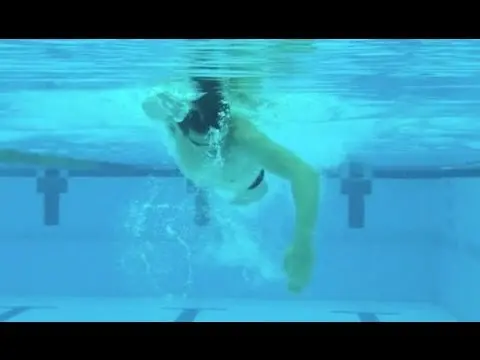
Reviewer Right cue (internal rotation to keep the elbow up) but it is a single throwaway tip buried in unrelated training talk.
Moderator Opens on the high elbow pull (dropped elbow = slipping, fix by internal shoulder rotation) and hand entry width, which is on topic - but then drifts into a weekly-news grab bag: lactic-acid sets, energy systems, visualization mindset. The catch is one of several segments, not the whole video.