Beginner
Reviewer Excellent, ends with an actionable checklist.
Moderator Directly and thoroughly decodes a surf forecast chart - swell period, wind type, practical example.
3.9
41 free videos on technique, drills and tips, each tagged by level
Reviewer Excellent, ends with an actionable checklist.
Moderator Directly and thoroughly decodes a surf forecast chart - swell period, wind type, practical example.
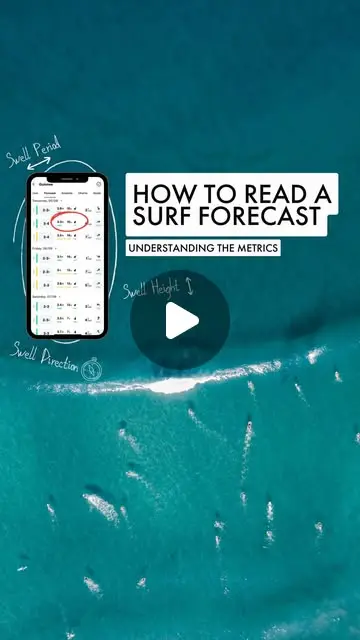
Reviewer Best kind of surf coaching - short, accurate, and it explains why period beats height.
Moderator Clean, focused explainer on the three physical wave metrics that make up a forecast: height (crest to trough), period (interval between waves and why it matters more than height for stored energy), and direction (refraction around the coastline). Squarely the skill, no filler content.
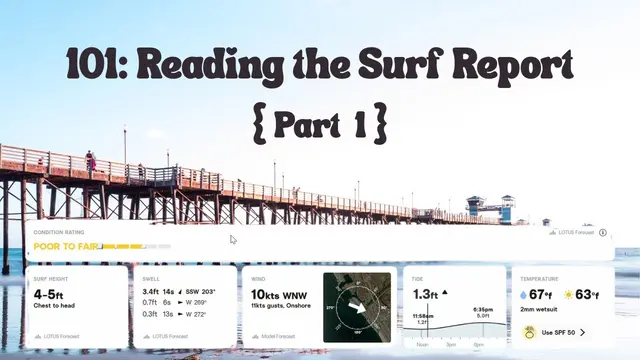
Reviewer Clear, practical, and safety-conscious.
Moderator Directly teaches how to read a surf report - wave height categories, wind, tide.
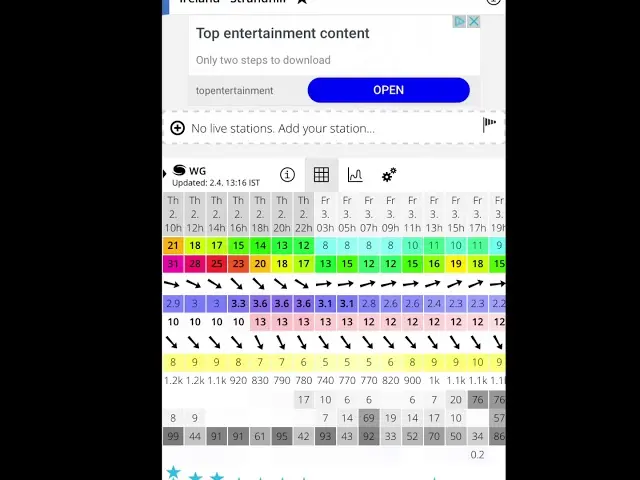
Reviewer Thorough, accurate, and locally grounded -- great teaching video.
Moderator Direct, hands-on walkthrough comparing two forecasting sites (Windguru, Magicseaweed) plus a full explanation of tide mechanics -- exactly the sub-skill.
Reviewer Explains the 'why', not just the numbers.
Moderator Squarely forecast reading -- period as an energy proxy, orbital wave mechanics, direction and refraction against coastline. On-topic and technically accurate.

Reviewer This is the one I'd hand a new surfer - it actually explains the 'why' behind every number.
Moderator Covers essentially every pillar of forecast reading in one clip: wind speed by color coding, wind direction arrow convention (named from where it comes), wave height in meters, swell period and how it changes wave quality, swell direction and how a bay like Muizenberg responds to it, and tide charts including preference by discipline. This is the sub-skill in full.
Reviewer Clear, practical, and honest about what beginners should actually be looking for - great teaching.
Moderator This is the most squarely-on-topic video in the batch for this skill. It walks through an actual forecast tool (Surf Captain), explains the wind color coding, ties wave size directly to what a beginner should be looking for (1-3ft), and gets into swell period (windswell vs groundswell) with real consequences for wave shape and how sets come in. Every part of this is teaching forecast literacy.
Reviewer This is what expert-level forecast reading actually looks like - update timing, model comparison, direction projection, all of it.
Moderator A working pro surfer walks through his actual multi-site forecasting process ahead of a real swell - direct, applied forecast reading.
Reviewer Does exactly what the title promises - you'll actually understand the chart after this.
Moderator Explicit, structured walkthrough of a forecast chart - swell height, period, direction, dates - built specifically to make a beginner understand every number on the screen.
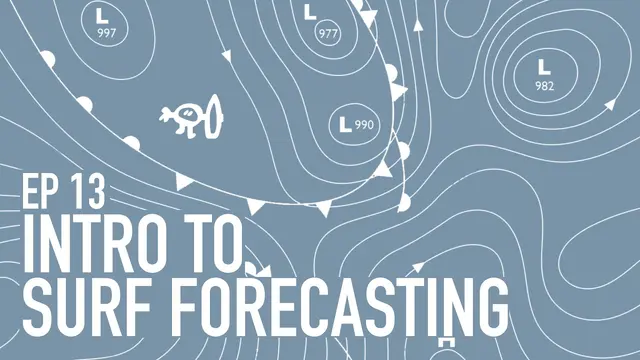
Reviewer One of the more technically rigorous explanations of what a forecast chart actually means.
Moderator Directly and deeply about the science of wave forecasting.
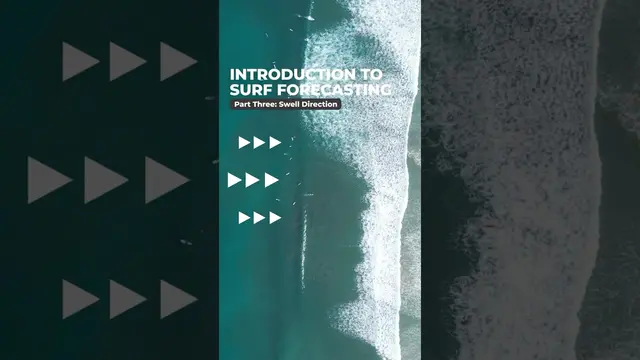
Reviewer Explains the one convention (swell direction = where it's FROM) that confuses every beginner, and does it well.
Moderator This is squarely about reading a surf forecast -- specifically the swell direction component: compass conventions, cardinal/intercardinal notation, the arrow convention, and the critical point that swell direction is reported as where it's coming from. It then ties direction to coastline angle and wave energy, which is exactly the skill of interpreting a forecast rather than just producing one. Nothing else is being taught here.
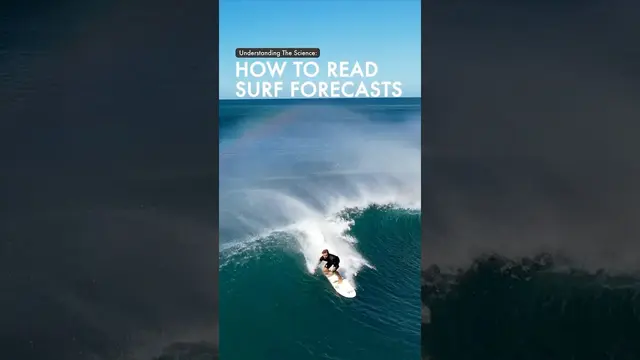
Reviewer Short, dense, and gets the physics right.
Moderator Exactly the sub-skill -- the three core forecast metrics (height, period, direction) explained correctly and concisely.
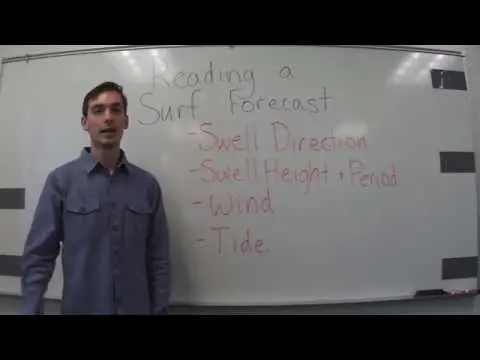
Reviewer Nails the fundamentals with a real example - this is where I'd send a total beginner.
Moderator This is the textbook answer to the sub-skill. Swell direction, swell height and period, wind, tide - the four pillars, in order, with a real spot (Otter Rock) used to show how a peninsula can block a swell direction. Every sentence is on-topic.
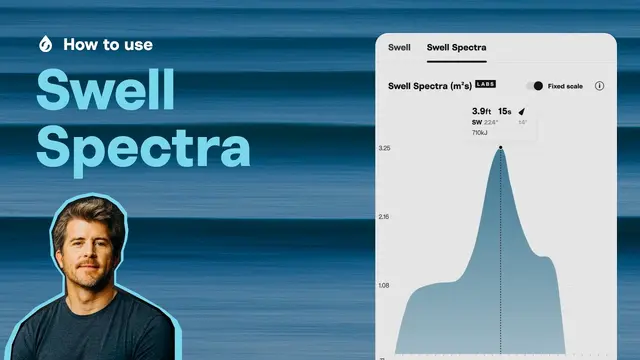
Reviewer Great -- teaches you to read between the numbers, not just the surf height.
Moderator Surfline's own Director of Forecasting explaining how to read the swell spectra graph for choosing which type of spot will work best on a given day.
![Reading Surf Forecasts and Beach Conditions Surf Theory Lesson [Sample: first 11min of full session]](https://img.subskills.xyz/v1/62e04df14564a82ee1a3453488766235.webp)
Reviewer Thorough and well organized — a real lesson, not just tips.
Moderator Directly a structured lesson on reading forecasts and beach conditions.
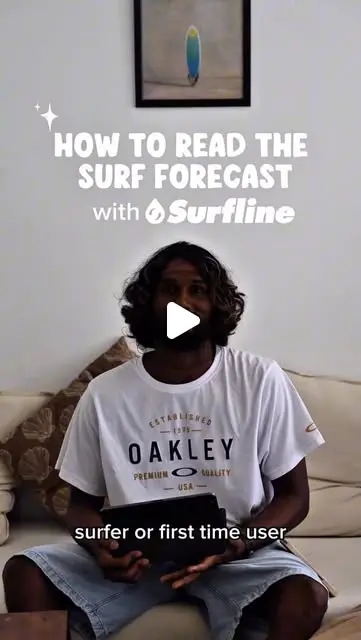
Reviewer Genuinely useful -- especially the point about swell period telling you how organized the waves will be.
Moderator This is exactly how to read a surf forecast -- walking through Surfline's table view and what wave height, tide, swell direction, and swell period actually mean.
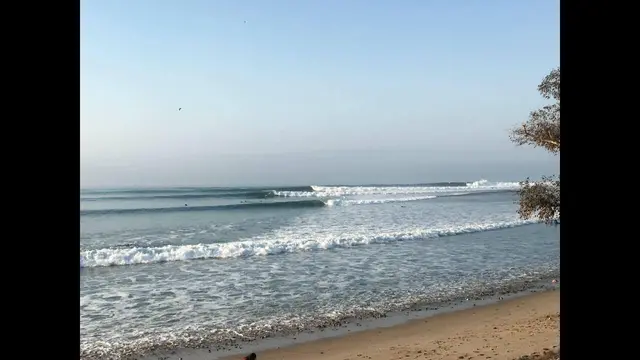
Reviewer Solid if you already know basic swell terms and want to use this specific app well.
Moderator App tutorial specifically on reading buoy data and forecast graphs -- squarely on topic.
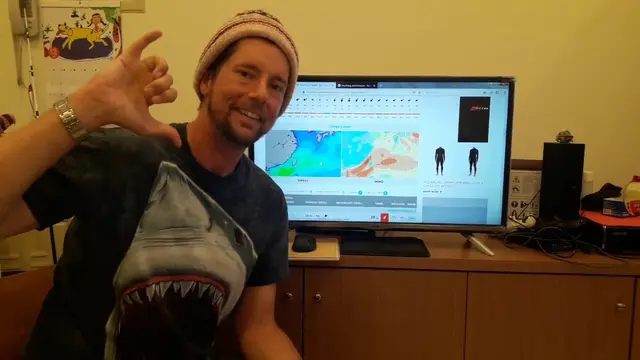
Reviewer Practical toolkit approach - not just 'check surfline', explains why you need more than one source.
Moderator Entirely about which sites/apps to check and how to combine them for an accurate read - core to reading a forecast.
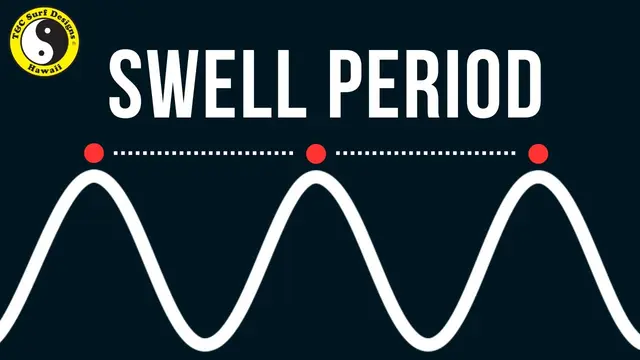
Reviewer Clean, well-explained core forecasting concept.
Moderator Squarely about reading a surf forecast, focused specifically on swell period.
Reviewer That period analogy is actually a great way to remember why longer-period swells hit harder.
Moderator Covers all four core factors - swell size, period, direction, wind - in order, squarely about how to read the numbers on a forecast site. On-topic throughout despite the rambling delivery.
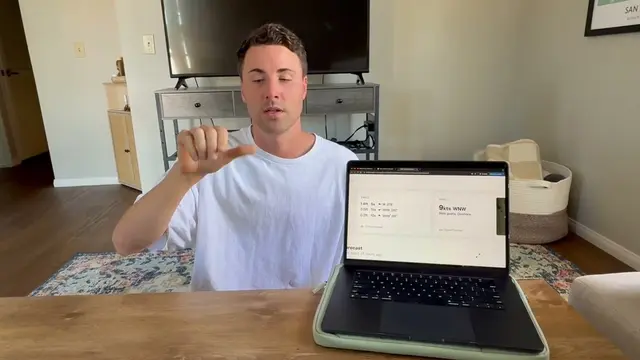
Reviewer Solid overview, just moves fast and some of the specifics are SoCal-only.
Moderator Covers swell height/period/direction, wind, and tide - the complete standard framework - and adds a regional layer with the NW/SW/W seasonal pattern and reef-vs-beach-break tide preference. Squarely on-topic start to finish.
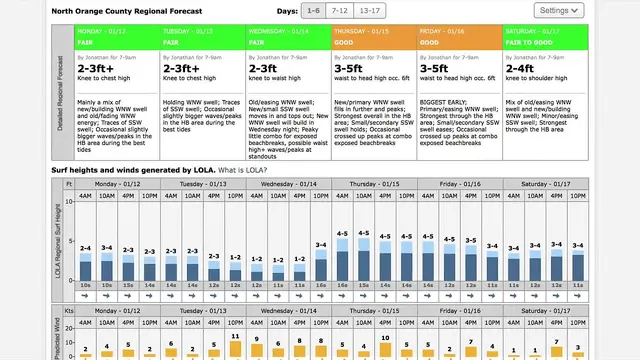
Reviewer Good if you use Surfline specifically, less useful anywhere else.
Moderator Short, tight explanation of exactly what the Surfline dashboard's boxes, colors, and gray zones mean.
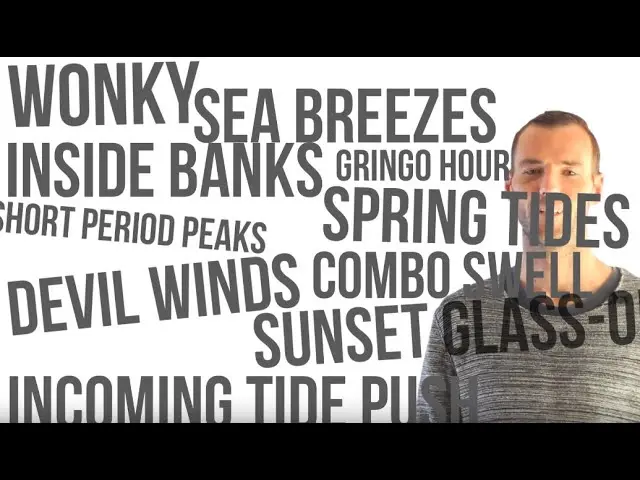
Reviewer Best video here for someone who's sick of forecasts lying to them and wants to actually understand the weather behind the numbers.
Moderator Goes past 'here's how to read the app' into why the app's simplified star ratings mislead you, and teaches reading a synoptic weather/wind chart instead - still squarely about forecast literacy, just a level deeper.
Reviewer Good balance of how-to plus healthy skepticism of the rating system.
Moderator Directly about reading Surfline forecasts.
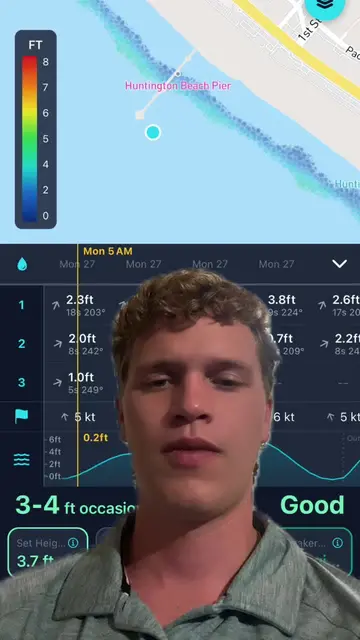
Reviewer Real insight on crossing swells, just wish it slowed down instead of rushing to the app pitch.
Moderator Dead center on the skill - reading an actual swell chart for Huntington Beach, identifying two crossing swells at different periods and angles, and explaining why that combination produces peaky, more rideable waves at a structureless beachbreak. This is exactly what 'reading the surf forecast' means.
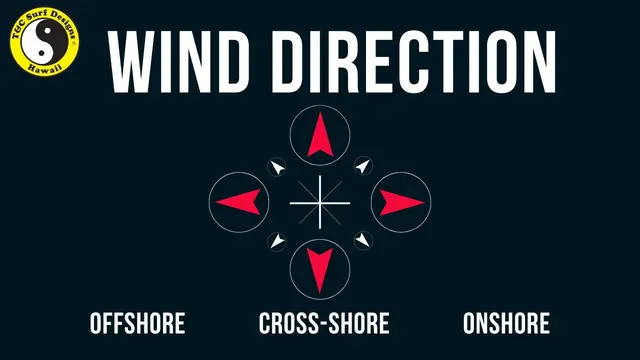
Reviewer Clean, correct explanation of a key forecast variable.
Moderator Directly about wind direction as a component of reading a surf report.
Reviewer Efficient practical demo, could use a bit more depth given the pace.
Moderator Directly walks through reading a forecast using Surfline and Windy for a real spot.
Reviewer Thorough, accurate take on swell period, the 5 to 25 second range, and why the biggest waves arrive first. A bit physics-heavy for newer surfers.
Moderator Deep dive on swell period, one of the key numbers on a forecast: what it measures, why the time gap stands in for wavelength, what it says about energy, and why longer-period swells arrive first. Squarely forecast reading.
Moderator Goes through the three values on a swell forecast, height, period and direction, and spends time on what swell height really means. Straight forecast-reading material for a newer surfer.
Reviewer Accurate, beginner-friendly breakdown of the numbers on a swell chart. No thresholds, so you still won't know what a good day looks like.
Moderator Runs through the three headline numbers on a swell chart, height, period and direction, with real detail on what swell height actually represents. Squarely about reading a surf forecast.
Reviewer Accurate on what swell height really measures, and it flags period and direction as just as important. Light on rules of thumb.
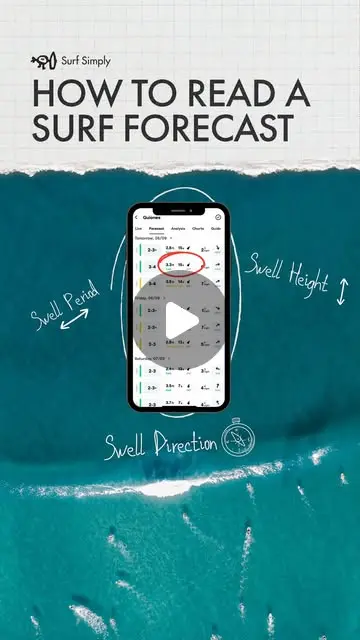
Moderator Squarely forecast reading: what wave height, period and direction mean on the chart, why the gap between waves says more about power than how tall they are, and how direction affects how much energy reaches a beach. Core beginner knowledge.
Reviewer Clean, accurate explainer with the key point that period says more about power than height. Stops short of telling you which numbers to chase.
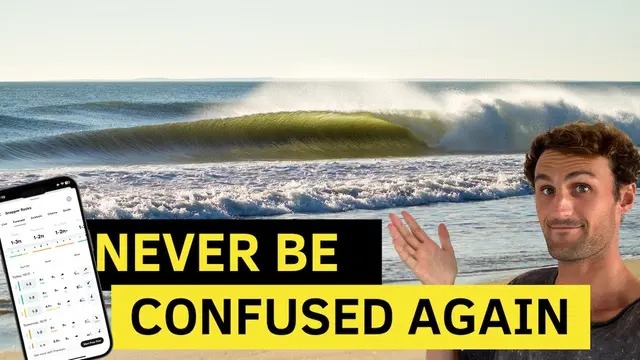
Reviewer Handy practical tour of Surfline, light on deeper theory.
Moderator Directly walks through reading a Surfline forecast page.
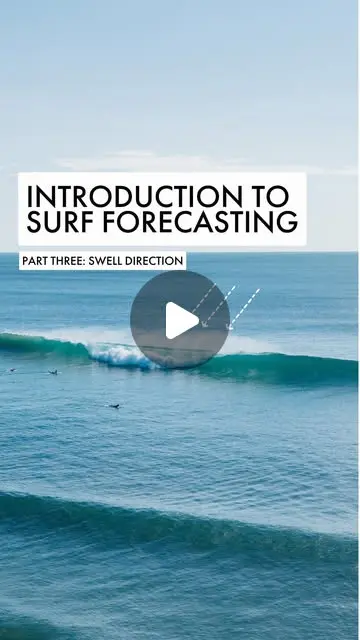
Reviewer Straight answer on how direction is shown and why SW reads 225, plus a good reminder that local knowledge matters.
Moderator Focused on one piece of the forecast, swell direction: how it's shown (degrees, compass points, arrows), that it's where the swell comes from, and how lining up with the beach affects power. Squarely forecast reading.
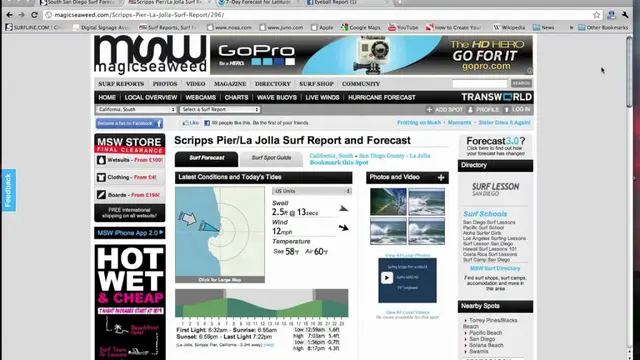
Reviewer Handy site tour, but shallow on the why.
Moderator Practical walkthrough of which sites/apps to check (Surfline, Magic Seaweed, NOAA, Eyeball Report) - squarely on the topic of reading a forecast, though more tool tour than concept teaching.
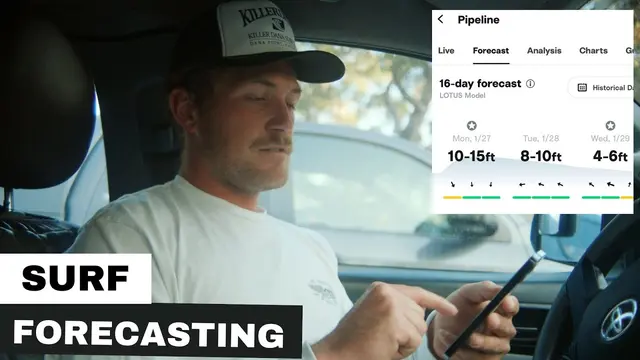
Reviewer Decent practical tips, but a lot of it only works because he already knows his home break.
Moderator Walks through his personal process of using the Surfline app and reading swell height/period/direction numbers to pick a spot.
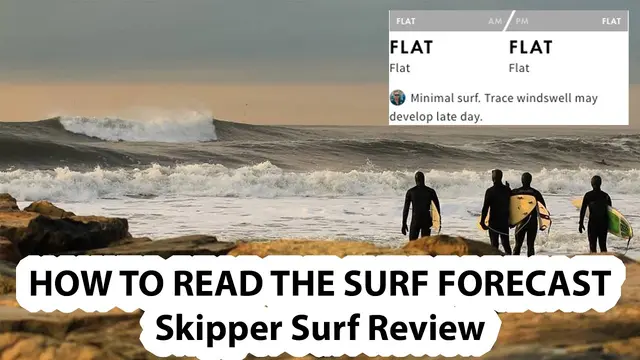
Reviewer Good real-world example, but fairly location-specific.
Moderator Directly about the presenter's own forecast-reading process for a specific home break.
Moderator Covers the two numbers that decide size and quality on a forecast, wave height and period, with a simple rule for period: up to about 8 seconds is windy and broken, 10 and over is clean with power. On target, though short, and it leaves out direction, wind and tide.
Reviewer Handy rule of thumb on period, under 8 seconds is windy and broken and 10 plus is clean and powerful, but it's quick and light on the why.
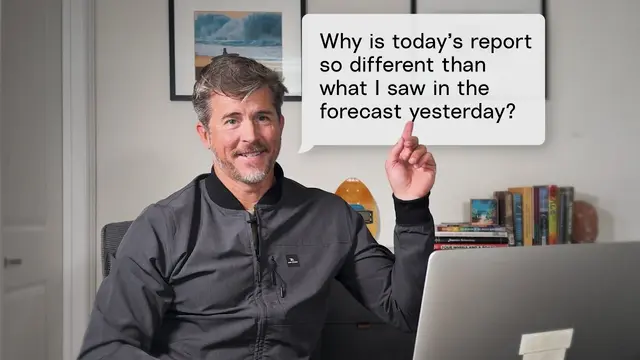
Reviewer Solid, credible explanation of why the forecast you saw yesterday isn't what you woke up to.
Moderator Doesn't touch swell/wind/tide basics at all, but it IS squarely about reading a forecast - specifically the part everyone gets wrong, which is treating a model prediction as gospel instead of checking the observation. That's a real, practical forecast-reading skill, just a level up from the basics.

Reviewer Height and period are the right first two numbers to learn and it starts from basics. Direction, wind and tide aren't covered here, so you'll need more to read a forecast end to end.
Moderator Reading a surf forecast, focused on wave height and swell period: what each tells you before you paddle out. Squarely on the skill.
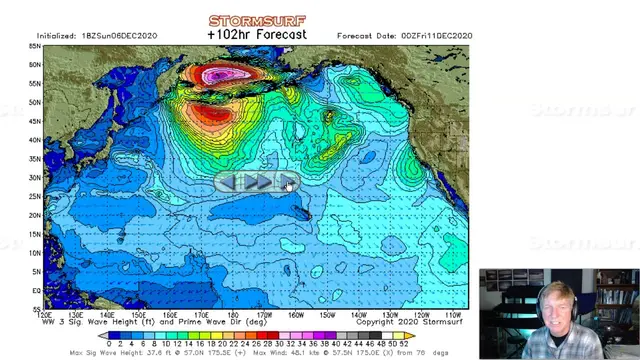
Reviewer Good if you already speak weather-map, rough going if you don't - and it's tied to one specific week.
Moderator This is 'reading a forecast' at the raw-synoptic-chart level - tracing a trough in the jet stream to a gale to seas to swell to surf - which is a real and legitimate (if niche) way advanced surfers read forecasts, going past the app number straight to the weather map. It doesn't touch the everyday swell/wind/tide framework most learners need first, so it's relevant but to a narrower slice of the skill.
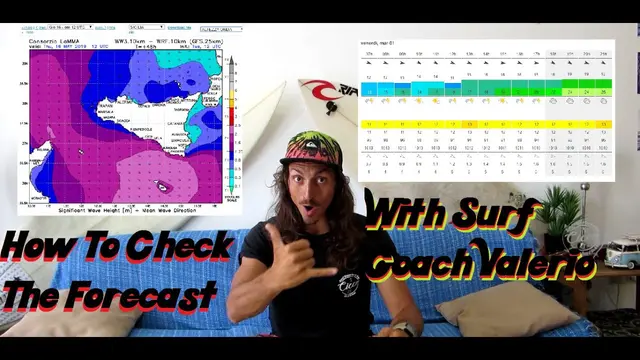
Reviewer Could be useful but the available transcript makes it hard to judge.
Moderator Appears to be a walkthrough of a wind/forecast app (Windfinder) with a beginner surf coach, but the transcript is heavily garbled (Italian/English mixed machine transcription), which limits how confidently I can judge the actual teaching content.