Beginner
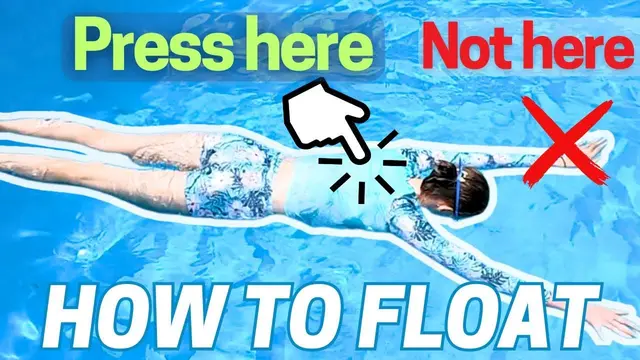
Reviewer Named mistakes plus fixes -- this is how you teach a skill.
Moderator Fully dedicated to front float technique specifically for people who struggle to float -- structured steps plus a mistakes list. Exactly on target.
3.8
40 free videos on technique, drills and tips, each tagged by level
Reviewer Named mistakes plus fixes -- this is how you teach a skill.
Moderator Fully dedicated to front float technique specifically for people who struggle to float -- structured steps plus a mistakes list. Exactly on target.
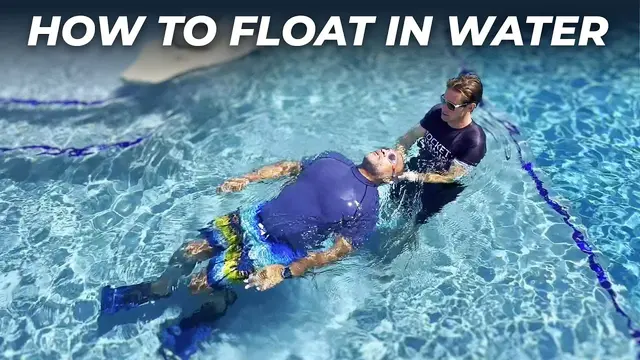
Reviewer Anticipates the exact things that scare first-timers.
Moderator A real one-on-one beginner back float lesson from start to finish -- body position, dismount, even a first kicking drill tacked on. Squarely, thoroughly on topic.
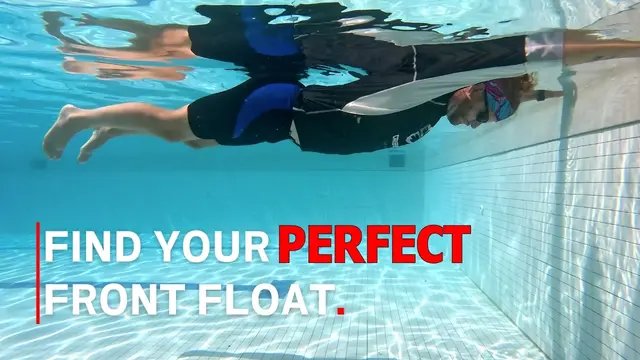
Reviewer Great start - kills the myth that everyone floats the same before teaching the actual skill.
Moderator Entire episode on the front float specifically, addressing the core misconception and a full progression.
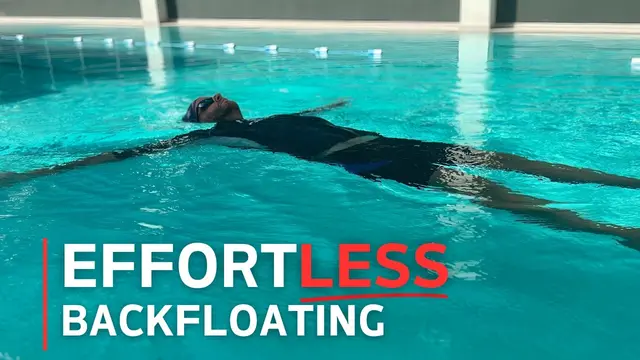
Reviewer Best kind of teaching here - shows the mistake AND the fix side by side.
Moderator Whole episode dedicated to the back float, structured wall progression building toward an independent float.
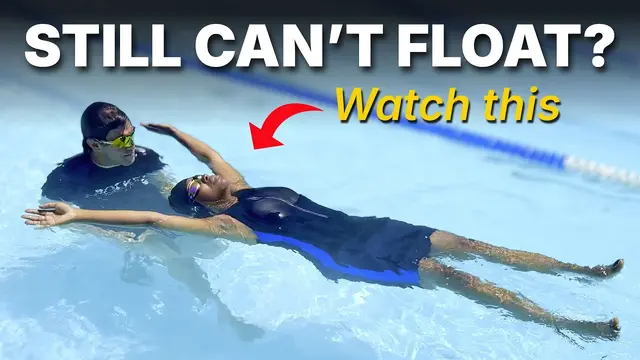
Reviewer One of the better float breakdowns here - explains the physics, not just the shape.
Moderator Entirely about floating on the back, broken into buoyancy physics (breath, surface area, movement) then a clean step progression into the back float.
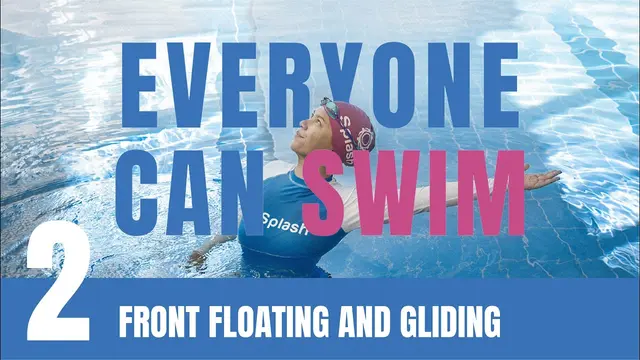
Reviewer Clean, structured, and builds all the way to rotation — great beginner series.
Moderator Squarely front float, same high-quality structured series as Ep.3.
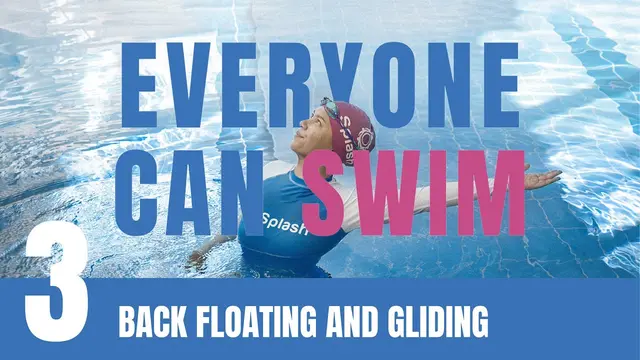
Reviewer Best-structured back float lesson in the batch — coach-progression, clear cues, bonus propulsion.
Moderator Squarely and specifically back float, structured as a lesson with coach progression.
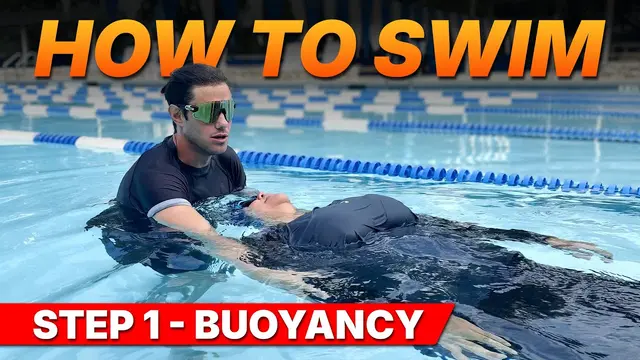
Reviewer Real-time correction of an actual student -- you see it land.
Moderator Covers both belly float AND back float in one lesson -- literally the full compound skill, with a real student demonstrating.
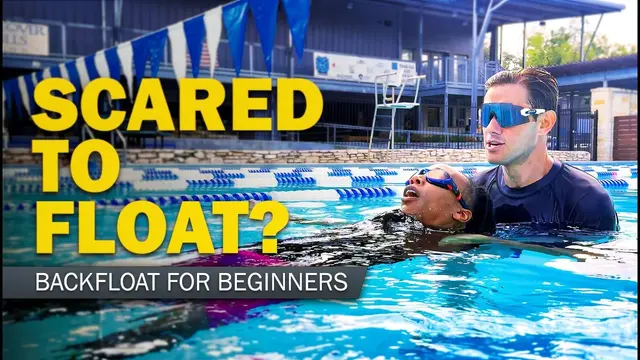
Reviewer Explains the why behind each cue -- sticks with you.
Moderator Real lesson with a genuine nervous adult beginner, covering breathing, chin position, and kicking specifically for the back float. Squarely on topic.
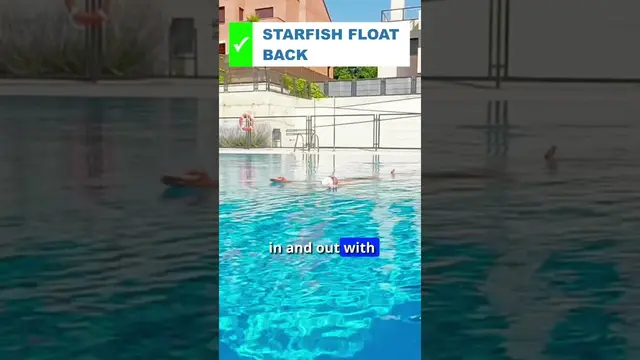
Reviewer Clear, simple, and covers both floats properly.
Moderator Covers both front and back float directly, which is the exact sub-skill.
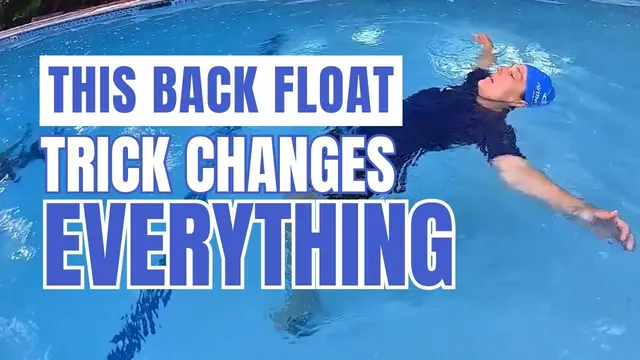
Reviewer Catches the real mistakes people make instead of just saying 'relax' - solid teaching.
Moderator Whole video is the back float, specifically the wall-to-independent progression, with real troubleshooting of common failure points.
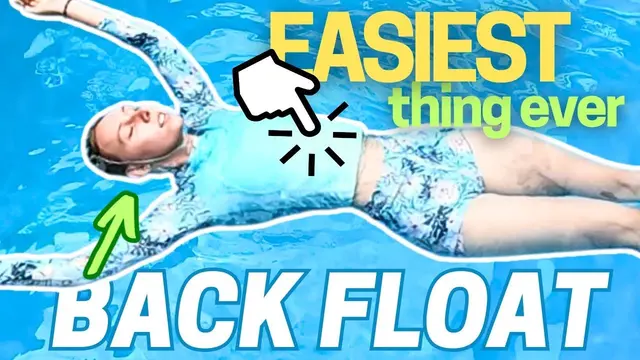
Reviewer Clean, practical, no filler - a genuinely great teaching video for this skill.
Moderator Full back float build plus a dedicated recovery section plus seven concrete mistakes - covers the sub-skill about as completely as a single video can.
Reviewer Solves a real, common failure point with accurate physics.
Moderator This is literally the compound skill named -- transitioning between back float and front float and back again, which is deeper than either float alone.
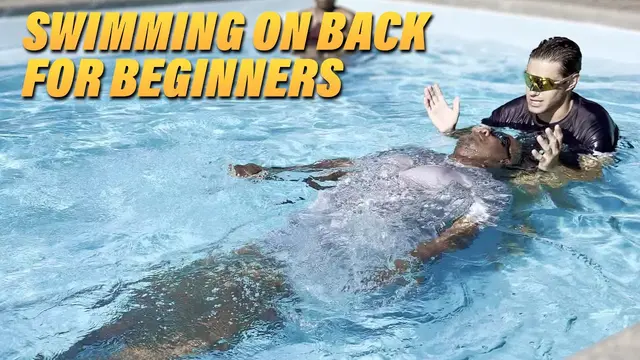
Reviewer Nice touch coaching breath before body position - that's the right order for scared beginners.
Moderator Real beginner lesson built around getting two students floating on their back, with a full progression and a note on why front-face-first helps with ear water.
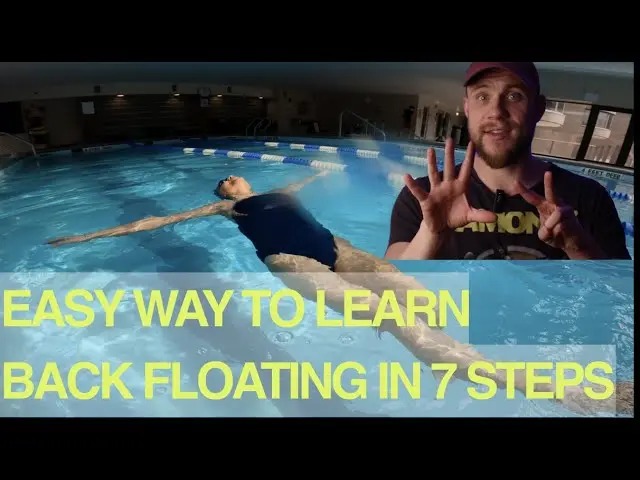
Reviewer Best of the batch for back float - complete, honest, easy to follow.
Moderator A full 7-step build of the back float from standing position through breath, body alignment, propulsion aids, and recovery - this is the sub-skill taught start to finish.
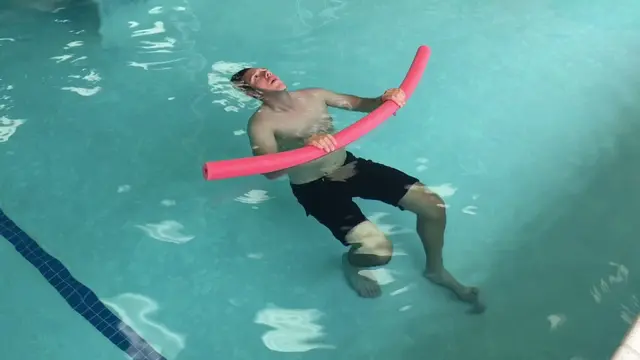
Reviewer The best kind of instructional video, breaks the back float into steps anyone can follow and teach.
Moderator Entirely about teaching back float, the two-step head-then-legs progression, though it doesn't cover front float.
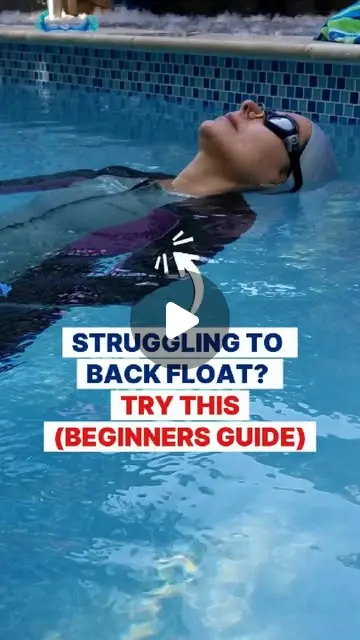
Reviewer Specific cues that make the float easier to actually feel.
Moderator A clear, sequenced back-float lesson at the wall with specific, correct weight-distribution cues.
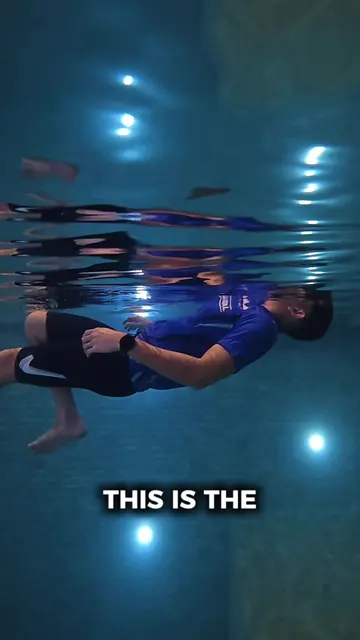
Moderator A single, correct, well-explained cue specifically for the back float -- where your eyes go changes your hip and leg position.
Reviewer One simple cue that actually fixes a common problem.
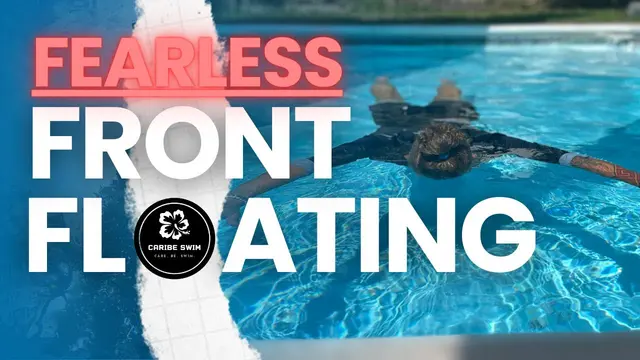
Reviewer Fun, clear, and the cues actually work - good teaching video.
Moderator Straightforward step-by-step front float tutorial from shallow-end setup through breath, body position, and recovery - directly on the front-float half of the skill.
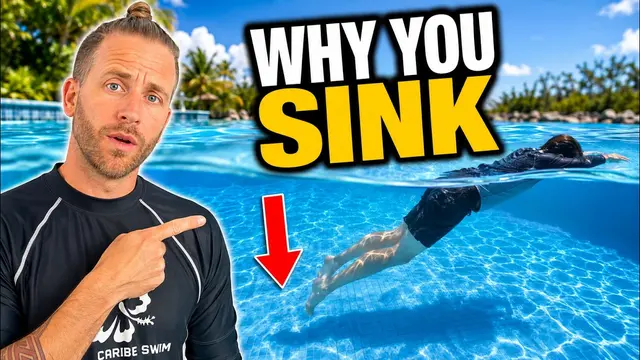
Reviewer Good specific fixes, even with a sales break in the middle.
Moderator Front float focused and thorough — five specific, named mistakes with the fix for each.
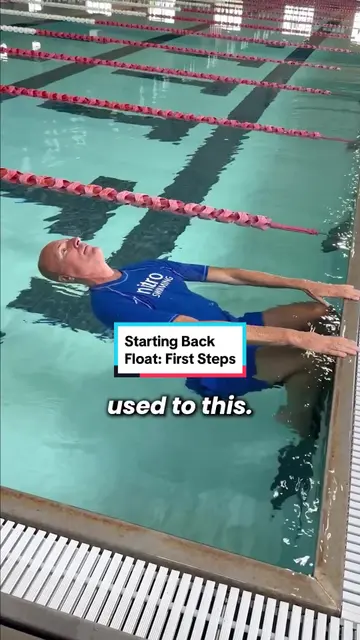
Reviewer Good sequencing, if you skip past the course pitch at the end.
Moderator Squarely a back-float progression -- hips up on the wall, ears under first -- building toward the float, plus a pitch for his course at the end.
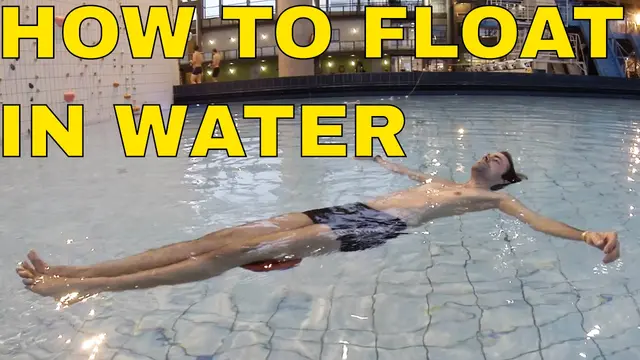
Reviewer Decent step-by-step but doesn't go much beyond the basics.
Moderator Fully about learning to float on the back, walks through a wall-to-floatie-to-independent progression.

Reviewer Solid mistake-fixing rundown, exactly the corrections a struggling floater needs.
Moderator Whole video is troubleshooting back float specifically (chest too high, breath, tension, alignment, ending the float) - it's squarely on the named sub-skill, just doesn't touch front float at all.

Moderator Directly demonstrates floating in deep water with breath control, explicitly both front and back -- squarely on the labeled sub-skill.
Reviewer Good core idea, though it's brief before pivoting to a course pitch.
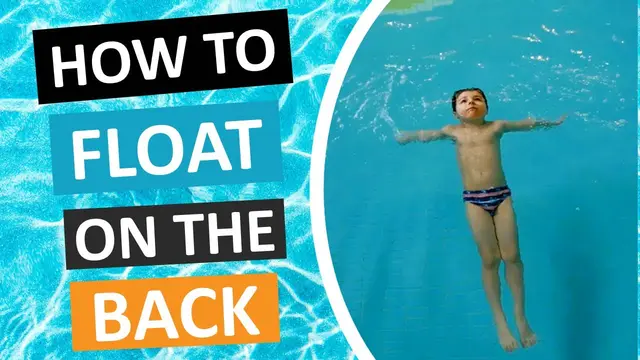
Moderator This is squarely about the back float half of front-and-back float, with a clear three-step teaching progression, though it doesn't touch the front float at all.
Reviewer Clear, step-by-step back float lesson that explains why the cues matter, not just what they are.
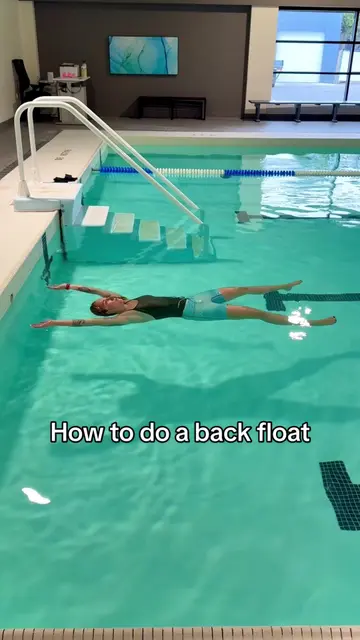
Reviewer Concrete cues a beginner can actually use.
Moderator This is a straight, focused back float lesson -- arm and leg shape, hip position, head position, the whole setup. Doesn't touch front float but nails the half it covers.
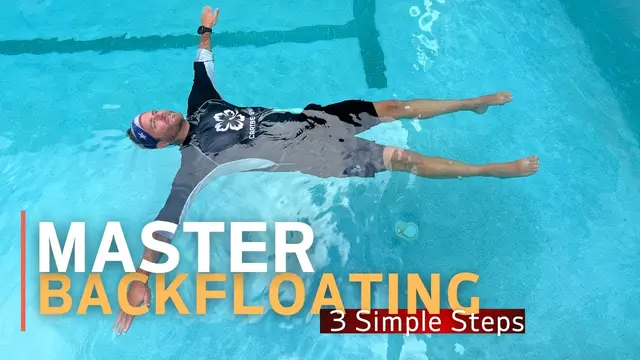
Reviewer Smart comfort-building approach, just wish the retreat pitch wasn't wedged into the lesson.
Moderator Entirely about back float: builds comfort with water in ears and face-up position first, then head/breath/arm technique and how to stand up - squarely the sub-skill.
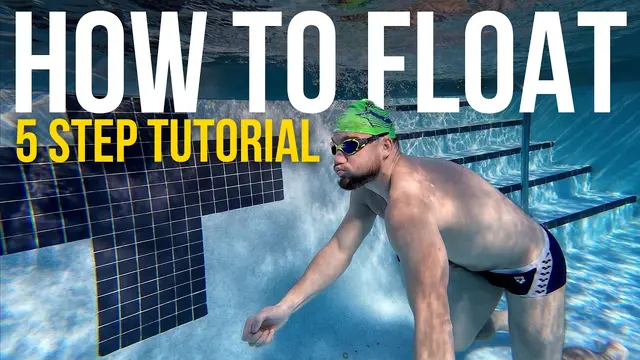
Reviewer Good drills for building float confidence, slight sales detour in the middle.
Moderator This is a prone/front float tutorial (5 steps plus mistakes plus drills), so it covers exactly half the named skill but does that half thoroughly.

Reviewer Clear technique paired with genuinely important advice about not panicking.
Moderator Covers getting the head above water and staying calm, core to learning to float and survive in deep water, using named kicking techniques to support the body -- squarely relevant even if it drifts toward general water safety.
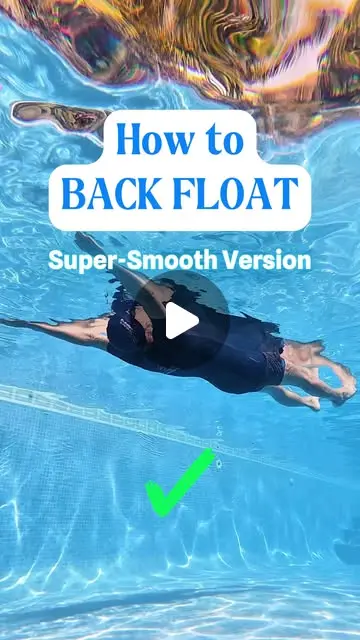
Reviewer Corrects a real, common misunderstanding about what a back float actually gets you.
Moderator This is squarely about the back float - specifically the safety-relevant part of it, that floating isn't the same as being safe, you still need a plan to reach shallow water.
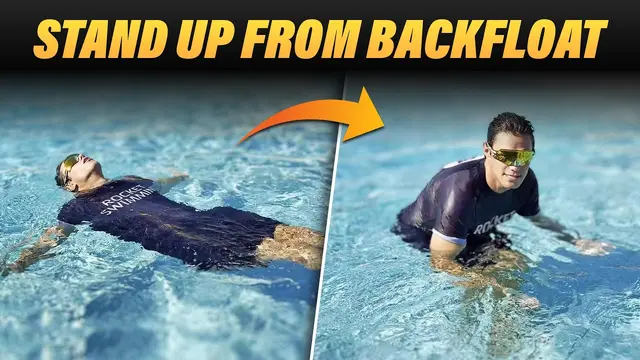
Reviewer Clever framing for a move that usually confuses people.
Moderator Covers the exit from a back float specifically, not the float itself. A real and necessary piece of the skill, but only one piece.
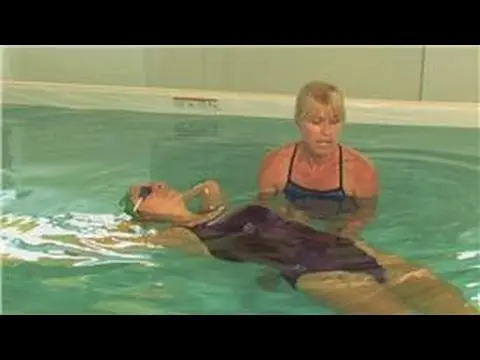
Reviewer Fine quick-reference cues, but too short to really teach a beginner.
Moderator Short clip entirely on back float positioning (chin/chest/hips up, arm placement).
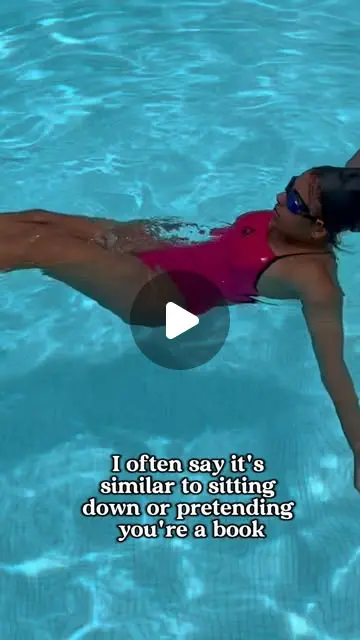
Reviewer Clear fix for something a lot of adult beginners actually struggle with.
Moderator This is about recovering to standing from a float rather than achieving or holding the float itself -- a closely related skill in the same broader topic, so it's relevant but slightly adjacent to floating itself.
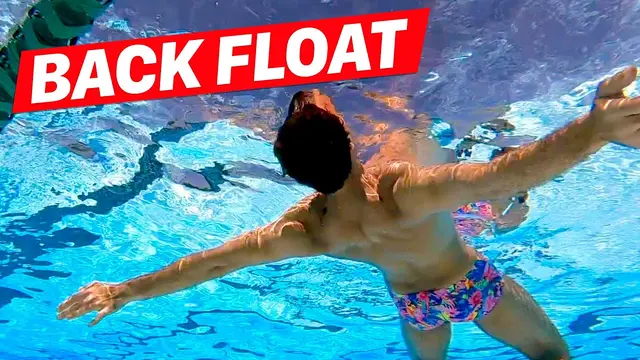
Reviewer Decent cue (belly button up) but the delivery is looser and less structured than the others.
Moderator Mostly back float (belly button up, head back, hands overhead) with a brief transition demo back to front float and first stroke, so it touches both halves of the named skill.
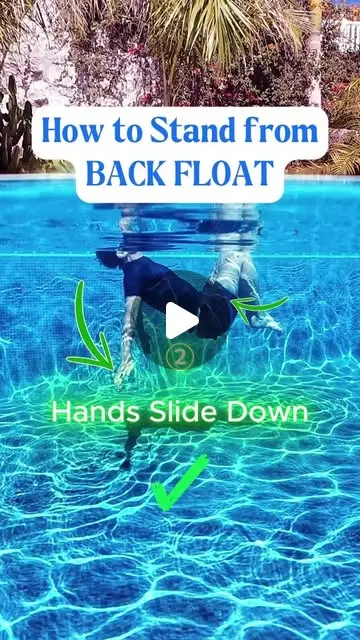
Reviewer Explains the actual mechanism, not just 'push down and stand up'.
Moderator This is the recovery half of the float - going from floating on your back to standing - which sits inside the same sub-skill as a natural extension of it.
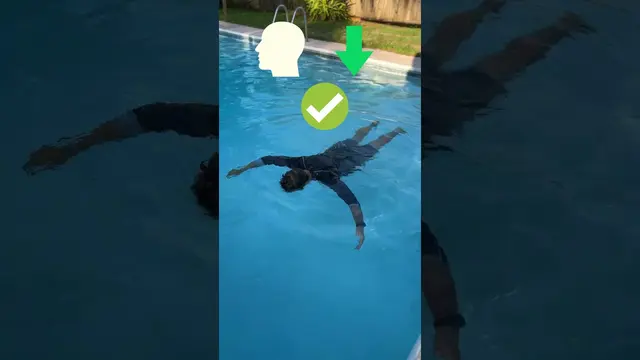
Reviewer Short and useful — three real reasons people sink.
Moderator Front float only again, but with a clearer mistake/solution structure than most in this batch.
Reviewer Simple, concrete cue that's easy to practice.
Moderator This is the recovery-to-standing part of floating, which is the safety-critical half of what a front/back float lesson covers — counts as on-skill.
Reviewer Good mindset point, not much technique.
Moderator Front float only, and mostly about individual variation/relaxation rather than concrete steps.

Reviewer Vague tips, not much actual technique here.
Moderator Only covers front floating, not back — partial coverage of the combined skill, though front float is the harder/more relevant half for most beginners.
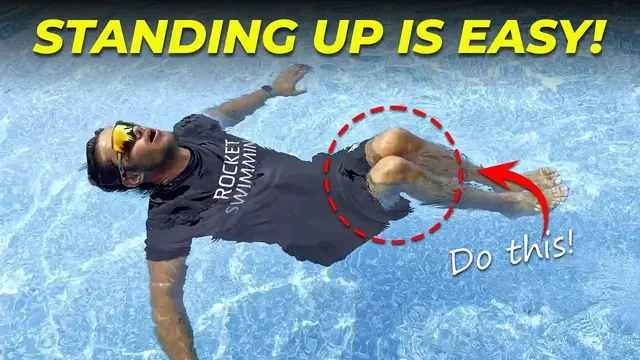
Reviewer Great coaching on the recovery, just don't expect it to teach the float itself.
Moderator This only covers the recovery/standing-up moment at the end of a back float, not achieving or holding the float itself - a real but narrow slice of the named skill, so it's on-topic but not squarely 'the sub-skill' as a whole.